
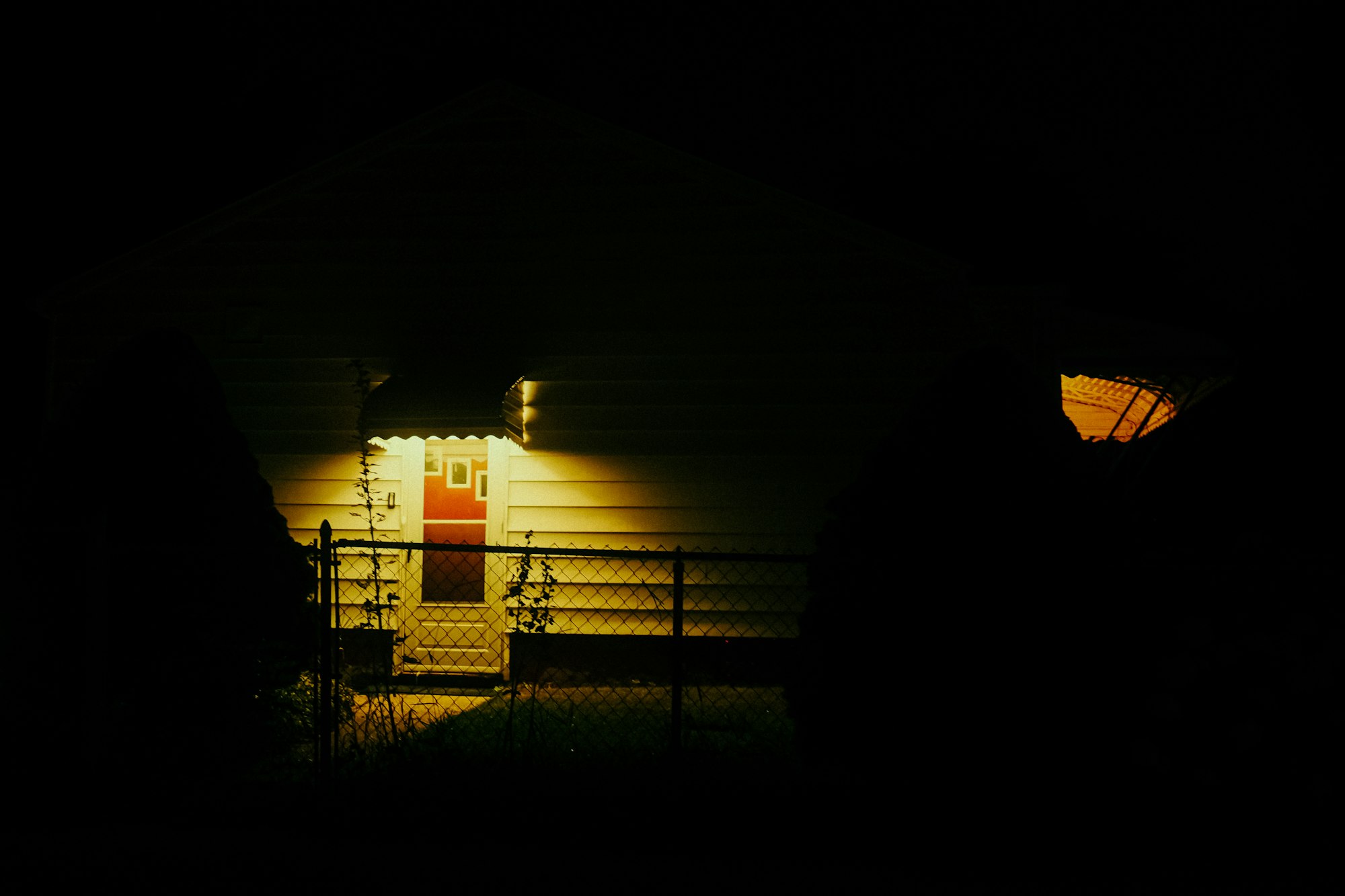
The clocks fell back on Sunday, Nov. 1, and if you’ve been driving home from work in the dark this week, you’re not alone. Many Americans would love to stop changing the clocks, and the U.S. House has already voted to make daylight saving time permanent. But according to The Associated Press, the idea has stalled in the Senate, where several senators are blocking it despite public pressure from President Donald Trump. For homeowners, that means one thing: the early darkness of standard time isn’t going anywhere this winter. It’s a good moment to look at how your home handles the long nights.
Here at AX Home Pro, we think of the fall time change as a natural checkpoint. It’s when you notice the porch light that’s been out for months, the dark stretch of driveway, or the kitchen that suddenly feels gloomy at 6 p.m. Let’s walk through what’s happening in Washington and what it means for your home in North Georgia.
Why the Senate is hesitant
The AP reported on Oct. 29 that a House-passed bill to make daylight saving time permanent is unlikely to clear the Senate before the end of 2026. Supporters say permanent daylight saving time would give Americans more sunshine in the afternoon. Opponents warn that in some northern states, commuters would not see the sun rise until after 9 a.m. in winter.
Arkansas Sen. Tom Cotton has been the most vocal opponent and has not backed down even after the president publicly pressed him. “No one likes changing the clock, me included,” Cotton said, according to the AP. Other Republicans, mostly from northern states, share his concerns. South Dakota Sen. Mike Rounds raised worries about children going to school in the dark. Indiana Sen. Todd Young called the bill a “non-starter” for GOP leaders.
There’s history behind the hesitation. The AP noted that Congress tried permanent daylight saving time in 1974, during an energy crisis, and repealed it after public support dropped, partly because of concerns about children walking to school before sunrise. An AP-NORC poll from last year found only 12% of U.S. adults favored the current system of switching clocks, while nearly half opposed it. Medical groups, including the American Medical Association and the American Academy of Sleep Medicine, support a single, permanent time.
Whatever Congress eventually decides, this winter will look like every other one: earlier sunsets, darker evenings, and more hours spent indoors under artificial light. That puts more demand on your lighting, your entryways and your home’s safety systems. The good news is that many of the most helpful upgrades are small, affordable projects that make a big difference in how your home feels and functions from November through March.
Start outside: safer arrivals after dark
The first thing many homeowners notice after the time change is how dark it is when they pull into the driveway. Good exterior lighting helps you see where you’re stepping, makes it easier for guests to find your door, and can discourage unwanted visitors. Consider these projects:
- Replace or upgrade porch and entry fixtures. A fixture that throws light down onto the steps and door is far more useful than a dim decorative lantern.
- Add motion-activated lights over the garage, side doors and walkways so you’re never fumbling in the dark.
- Light the path. Low-voltage or solar path lights along walkways and steps reduce trip hazards, especially on uneven ground.
- Use timers or dusk-to-dawn sensors so lights come on automatically as sunset times shift through the season.
- Check your steps and railings. Loose handrails and cracked steps are more dangerous when you can’t see them well. Darker evenings are a good reason to fix them now.
Brighten the inside: layered lighting for long evenings
When you lose an hour of evening daylight, rooms that felt bright in July can feel cave-like in November. Rather than adding one more harsh overhead light, we recommend thinking in layers:
- Ambient light fills the room. Recessed lighting or a well-placed ceiling fixture is the foundation.
- Task light is where you work. Under-cabinet lighting in the kitchen, a good vanity light in the bath and reading lamps in the living room make everyday tasks easier.
- Accent light adds warmth. Lighting over a fireplace, shelving or artwork makes a room feel inviting on a dark evening.
Color temperature matters, too. Bulbs labeled “warm white” give off a softer, cozier light that many people prefer in living rooms and bedrooms, while slightly cooler bulbs can make kitchens, laundry rooms and workspaces feel crisp and easy to see in. Mixing them thoughtfully by room, instead of using the same bulb everywhere, is an easy way to make a house feel more comfortable after dark. LED bulbs also run cooler and use less energy than older incandescent bulbs, which helps when the lights are on for more hours each evening.
Dimmer switches are one of the simplest upgrades we install. They let you keep the house bright for dinner and homework and soften it later in the evening. If you’re planning a kitchen or living room remodel, winter is a great time to think about lighting as part of the design rather than an afterthought.
Use the time change as your safety checkpoint
Many families use the twice-yearly clock change as a reminder to take care of home safety basics. With the change just behind us, now is a good time to:
- Test smoke and carbon monoxide detectors and replace batteries as needed.
- Replace any detectors that have reached the end of their service life, which is usually printed on the unit.
- Make sure hallways, stairs and the route from bedrooms to exits are well lit at night. Plug-in night lights are an easy start.
- Check that exterior house numbers are visible after dark so emergency responders can find you.
- Look over the furnace or heat pump before the coldest weather arrives, and change the filter.
Don’t forget the garage and the laundry room. These are often the dimmest spaces in a house, yet they’re where many families come and go after dark, carrying groceries or kids. A bright, efficient fixture over the garage workbench or the door into the house can make the daily routine noticeably safer.
If your home has older wiring, flickering lights or outlets that feel warm, don’t wait. Those issues should be checked by a licensed electrician.
Thinking about natural light, too
Artificial light helps, but nothing beats daylight. The AP noted that supporters of permanent daylight saving time want more afternoon sun, and many homeowners feel the same way about their homes. If your house feels dark year-round, a few remodeling ideas can help bring in more natural light:
- Larger or additional windows on south-facing walls.
- Replacing solid exterior doors with doors that include glass panels.
- Opening up walls between the kitchen and living areas where it’s structurally possible.
- Lighter paint colors and finishes that reflect light rather than absorbing it.
Projects that involve structural changes or new window openings require careful planning, and permits may be required, so they’re best scoped early in the season.
What to watch
The debate over the clocks will likely continue. The AP reported that Senate leaders appear unwilling to move the bill right now, while Florida Sen. Rick Scott and Massachusetts Sen. Ed Markey continue to push for permanent daylight saving time. Even if a change passes someday, it would take time to go into effect. For this winter, plan for standard time and the early sunsets that come with it.
Make the most of the dark months
The time change is a small annual nuisance, but it’s also a useful reminder to take care of the parts of your home you rely on most when the sun goes down. A brighter entry, safer steps and a warm, well-lit kitchen can make the long nights between now and spring a lot more pleasant. If you’d like help planning a lighting upgrade or a remodel that brings more light into your North Georgia home, our team is here to help.
Source: The Associated Press, via WCAX
Quick check
How much did you catch? Tap a question to see the answer.
1. Which senator has been the most vocal opponent of making daylight saving time permanent?
Answer: Arkansas Sen. Tom Cotton.
2. When did Congress previously try permanent daylight saving time?
Answer: In 1974, during an energy crisis, before repealing it as public support dropped.
3. What are the three layers of indoor lighting we recommend?
Answer: Ambient light, task light and accent light.


Leave a Reply