
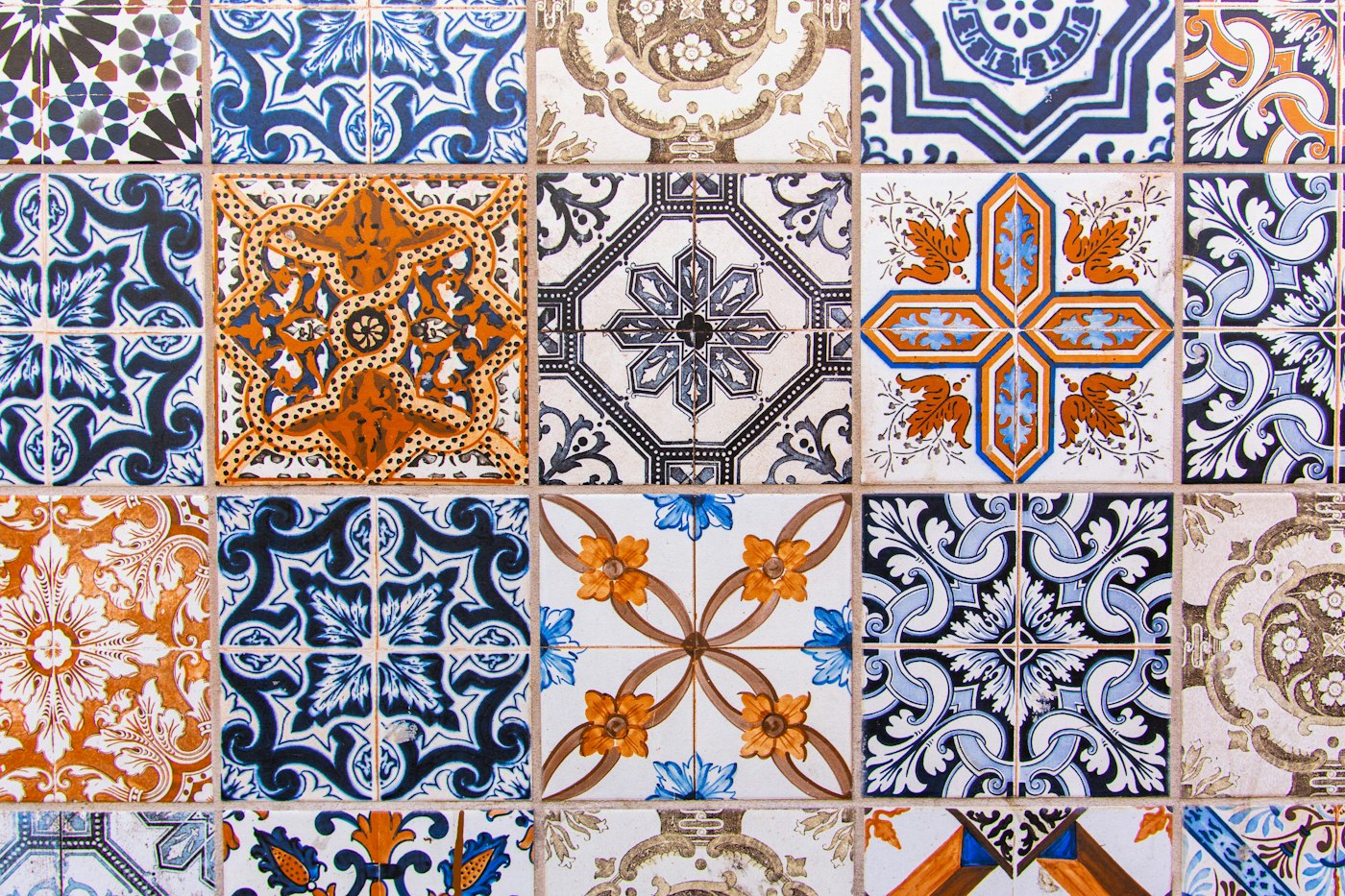
Tile is one of the most versatile materials in a home. It can cover floors, walls, showers, backsplashes and fireplaces, and it comes in an enormous range of colors, shapes and textures. Most tile falls into three broad families: ceramic, porcelain and natural stone. Knowing how they differ helps you choose the right tile for each surface.
Ceramic Tile
Ceramic tile is made from clay that is shaped and fired in a kiln. Most ceramic tile is glazed, which gives it its color and a protective surface. It is usually easier to cut than porcelain, which can make installation simpler, and it offers a huge range of decorative options, from glossy handmade looks to crisp modern colors.
Ceramic is a natural fit for walls, backsplashes and many indoor floors with light to moderate traffic. Because its body is generally more porous than porcelain, it is typically not the first choice for exterior use in freezing climates, and you should check the manufacturer’s ratings before using a given ceramic tile on a floor.
Porcelain Tile
Porcelain is a type of ceramic made from more refined clay and fired at higher temperatures. The result is denser and less absorbent. That makes porcelain a strong choice for floors, bathrooms, showers, mudrooms and many outdoor applications, depending on the product.
- Through-body porcelain carries its color through the thickness of the tile, so chips are less noticeable.
- Glazed porcelain has a decorative glaze on top of a porcelain body.
- Large-format porcelain allows big tiles and even slabs with fewer grout lines.
Modern printing techniques let porcelain mimic wood, marble, concrete and stone remarkably well. Its density also makes it harder to cut, and large tiles demand a very flat substrate and an experienced installer.
Natural Stone Tile
Natural stone tile is cut from quarried stone such as marble, travertine, limestone, slate and granite. Each piece has its own variation, which gives stone a depth and character many people love. Stone also tends to need more care. Many stones are porous and benefit from sealing, and some, especially marble and limestone, can be etched by acidic substances like citrus juice or certain cleaners.
Stone can be wonderful in a bathroom, on a fireplace surround or as a statement floor, as long as you are comfortable with its maintenance and the way it develops a patina over time.
Choosing the Right Tile for the Job
Start with the surface and conditions, then narrow by look. Ask whether the area will get wet, see heavy foot traffic, face freezing temperatures or need extra slip resistance. Manufacturers publish ratings and recommended uses for their products, and those details matter more than appearance alone. For floors in wet areas, ask about slip resistance and consider a textured or matte finish.
A Final Tip
Buy enough tile to cover breakage, cuts and future repairs, and keep a few spare pieces stored away, since matching a discontinued tile years later can be difficult. If you are planning tile as part of a remodel, reach out through our contact page.
Reading Tile Ratings and Labels
Tile packaging and spec sheets can look like a wall of numbers, but a few pieces of information do most of the work in helping you choose.
- Recommended use. Manufacturers state whether a tile is suitable for walls only, residential floors, commercial floors, wet areas or exterior use. This is the first thing to check.
- Wear or abrasion rating. Many glazed tiles carry a rating that indicates how well the surface resists wear from foot traffic. Higher ratings suit busier floors, while lower ratings are often intended for walls.
- Water absorption. Denser tiles absorb less water. This matters for showers, exterior use and freeze-thaw conditions.
- Slip resistance. Some manufacturers publish a coefficient of friction or similar measure. For bathroom floors, entries and outdoor areas, choosing a tile intended for wet floors is wise.
- Rectified or not. Rectified tiles have edges ground to precise dimensions, allowing tighter grout joints.
- Shade variation. Some tile is made to vary from piece to piece. A rating or note on the box tells you whether to expect uniform or varied color.
Matching Tile to Each Part of the House
Bathroom floors
Porcelain is a common choice for its low absorption and durability. Smaller tiles, with more grout lines, add grip on shower floors. Matte or textured surfaces help on main floors.
Shower walls
Ceramic, porcelain and stone can all work on shower walls when installed over a proper waterproofing system. Stone will need sealing and gentler cleaners.
Kitchen backsplashes
Because backsplashes do not get walked on, almost any tile family can work. Glazed ceramic is popular for its color range, while stone adds natural texture. Consider how easily grease and splatters will wipe away.
Entries and mudrooms
These floors face grit, water and, in cold months, salt. Dense porcelain with a textured finish and a forgiving color is a practical choice.
Fireplaces
Stone and many porcelain tiles are popular for surrounds. Check the manufacturer’s guidance and local code for materials and clearances near the firebox.
Common Tile Selection Mistakes
- Choosing wall tile for a floor. A beautiful glossy wall tile may wear quickly or become slippery underfoot. Always check the rating.
- Underestimating large-format requirements. Big tiles need a very flat surface. Floors may need leveling first, which affects schedule and cost.
- Mixing too many tiles. Using several different tiles in one small room can feel busy. One feature tile and one or two supporting tiles is usually plenty.
- Overlooking trim pieces. Edges, corners and niches need finishing. Check whether your tile has matching bullnose or trim, or plan for metal edge profiles.
- Skipping the dry layout. Laying out tiles before setting them helps balance cuts at walls and avoid thin slivers in prominent spots.
Tile Questions Homeowners Ask
Is porcelain always better than ceramic? Not always. Porcelain is denser, but ceramic is often easier to work with and offers decorative glazes that suit walls and backsplashes beautifully.
Will natural stone stain? Many stones can absorb liquids if not sealed, and some can etch from acids. Sealing and prompt wiping reduce the risk, but stone will develop character over time.
Can tile go over existing tile? Sometimes, if the existing tile is sound and well bonded, but it raises floor height and can hide underlying problems. We usually evaluate the existing surface before recommending it.


