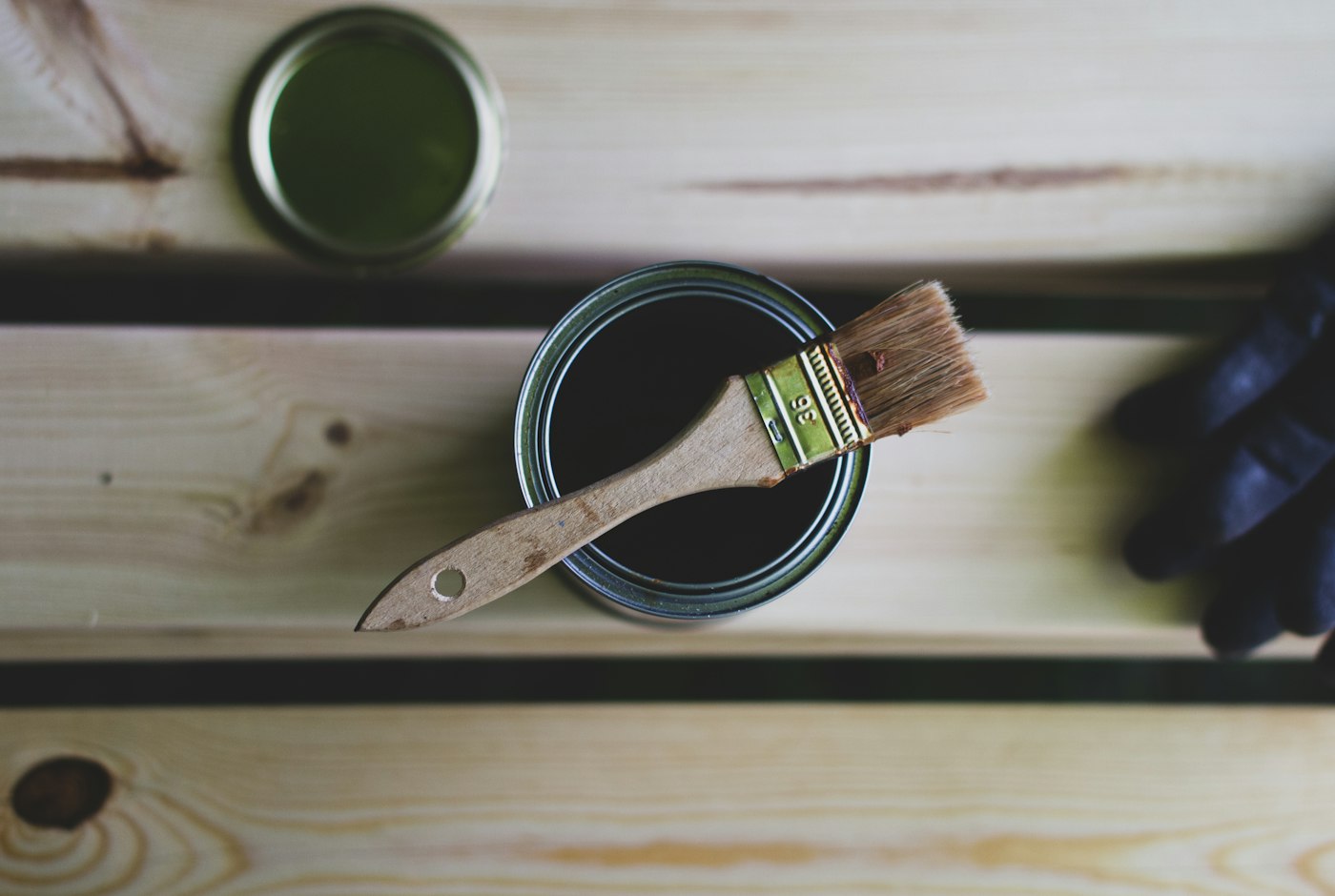
Choosing a paint color gets most of the attention, but sheen, the level of shine in the finish, is just as important. Sheen changes how a color looks, how well imperfections are hidden and how easily a wall can be cleaned. Winter is a popular time for interior painting, so it is a good moment to understand your options.
Understanding the Sheen Scale
Paint sheens range from completely matte to very shiny. Names vary somewhat between manufacturers, but the general progression looks like this:
- Flat or matte: no shine, very forgiving of surface flaws
- Eggshell: a soft, low sheen with a bit more durability
- Satin: a gentle glow that is easier to clean
- Semi-gloss: noticeably shiny and quite durable
- Gloss or high-gloss: very reflective and the most wipeable
As a general rule, shinier finishes are easier to clean but show surface imperfections more. Flatter finishes hide flaws but may not stand up as well to scrubbing, though many modern matte paints are designed to be more washable than older formulas.
Living Rooms, Bedrooms and Dining Rooms
Flat, matte and eggshell finishes are common choices for walls in lower-traffic rooms. They create a soft, rich look and minimize the appearance of patched drywall or uneven surfaces. Eggshell is a popular middle ground for living areas where walls occasionally need wiping. Ceilings are typically painted flat to reduce glare and hide imperfections.
Kitchens, Bathrooms and Laundry Rooms
These rooms face moisture, splashes, grease and frequent cleaning. Satin and semi-gloss finishes are often used on walls here because they are easier to wipe down. In bathrooms, look for paints formulated for humid environments, many of which include mildew-resistant properties. Good ventilation still matters, since no paint can make up for a bathroom that stays damp.
Hallways, Kids’ Rooms and Mudrooms
High-traffic areas see hands, backpacks and scuffs. A satin or eggshell finish in a washable formula is often a practical choice. Some homeowners use a slightly higher sheen on the lower part of the wall, below a chair rail, where most wear happens.
Trim, Doors and Cabinets
Trim, doors and cabinets get touched constantly, so semi-gloss and gloss finishes are traditional choices. The added sheen also highlights architectural details and creates a pleasing contrast with flatter walls. Cabinet painting in particular benefits from paints designed for that use, along with careful preparation.
Remember that sheen also affects how a color reads, since shinier finishes can make a color look slightly lighter and more saturated. Always test both color and sheen on your actual walls. Paint a large sample, look at it at different times of day and under your own lighting and see how it handles a gentle wipe. If a painting project is part of a larger remodel, reach out through our contact page and we can talk through finishes for each room.
Preparing Walls So the Sheen Looks Its Best
Sheen highlights whatever is underneath it, so preparation matters more as you move up the scale. Here is a typical prep sequence for interior walls.
- Move and cover. Pull furniture to the middle of the room, cover floors and remove switch plates and outlet covers.
- Inspect in raking light. Hold a flashlight flat against the wall. It will reveal dents, nail pops and ridges that are hard to see head on.
- Patch and sand. Fill holes and dents, let the patch dry, and sand smooth. Feather the edges so the repair blends into the wall.
- Clean the surface. Kitchen and bathroom walls in particular can carry grease or soap residue that affects adhesion. Clean as the paint manufacturer recommends and let the walls dry.
- Prime where needed. Spot-prime patches so they do not flash, or show as dull or shiny spots, through the finish. Prime fully when changing dramatically in color, painting over glossy surfaces or covering stains.
- Caulk gaps at trim. A thin bead of paintable caulk where trim meets the wall creates crisp lines.
- Paint in good conditions. Follow the manufacturer’s temperature and humidity guidelines, and keep the room ventilated while paint dries.
Sheen Choices for Special Situations
Older walls with lots of patches
Plaster walls and walls with years of repairs often look best in flat or matte finishes, which hide surface variation. If you need washability, look for a matte paint labeled as scrubbable.
Rooms with lots of sunlight
Strong side light from windows exaggerates sheen and imperfections. Consider a lower sheen on walls that catch low-angle light.
Accent walls
Keep the sheen the same as the surrounding walls so the accent reads as a color change, not a texture change.
Ceilings in bathrooms
Many people still choose flat, but a ceiling paint formulated for humid rooms, or a slightly higher sheen, can stand up better above a shower.
Stair railings and handrails
These are touched constantly, so a durable semi-gloss or a finish recommended for high-touch surfaces is a practical choice.
Paint Sheen Mistakes We See
- Touching up with a different sheen. Even with the same color, a mismatch in sheen shows as a patch. Keep leftover paint labeled with the room, color and sheen.
- Using high gloss on imperfect walls. Gloss looks stunning on smooth trim, but on walls it can magnify every flaw.
- Mixing brands for the same surface. Sheen levels vary between manufacturers. Stay within one product for a given surface.
- Painting too soon after cleaning. Walls that are still damp or carry cleaner residue can cause adhesion problems and uneven sheen.
- Rushing the cure. Paint may feel dry quickly but take longer to fully cure. Be gentle with walls and trim for a while after painting.
Paint Questions Homeowners Ask
Can I use one sheen for the whole house? Some homeowners use a single washable eggshell or satin for most walls to simplify touch-ups, then use semi-gloss for trim. It is a practical approach.
Why do my walls look streaky? Streaks or lap marks often come from rolling over paint that has started to dry. Keep a wet edge and work in sections.
Do I need a primer if my paint includes one? Paint-and-primer products work well in many cases, but stains, bare patches and big color changes may still benefit from a dedicated primer.
How much paint should I keep for touch-ups? A small, sealed container of each color and sheen is usually enough. Label it with the room, the surface and the date, and store it somewhere that will not freeze or overheat.