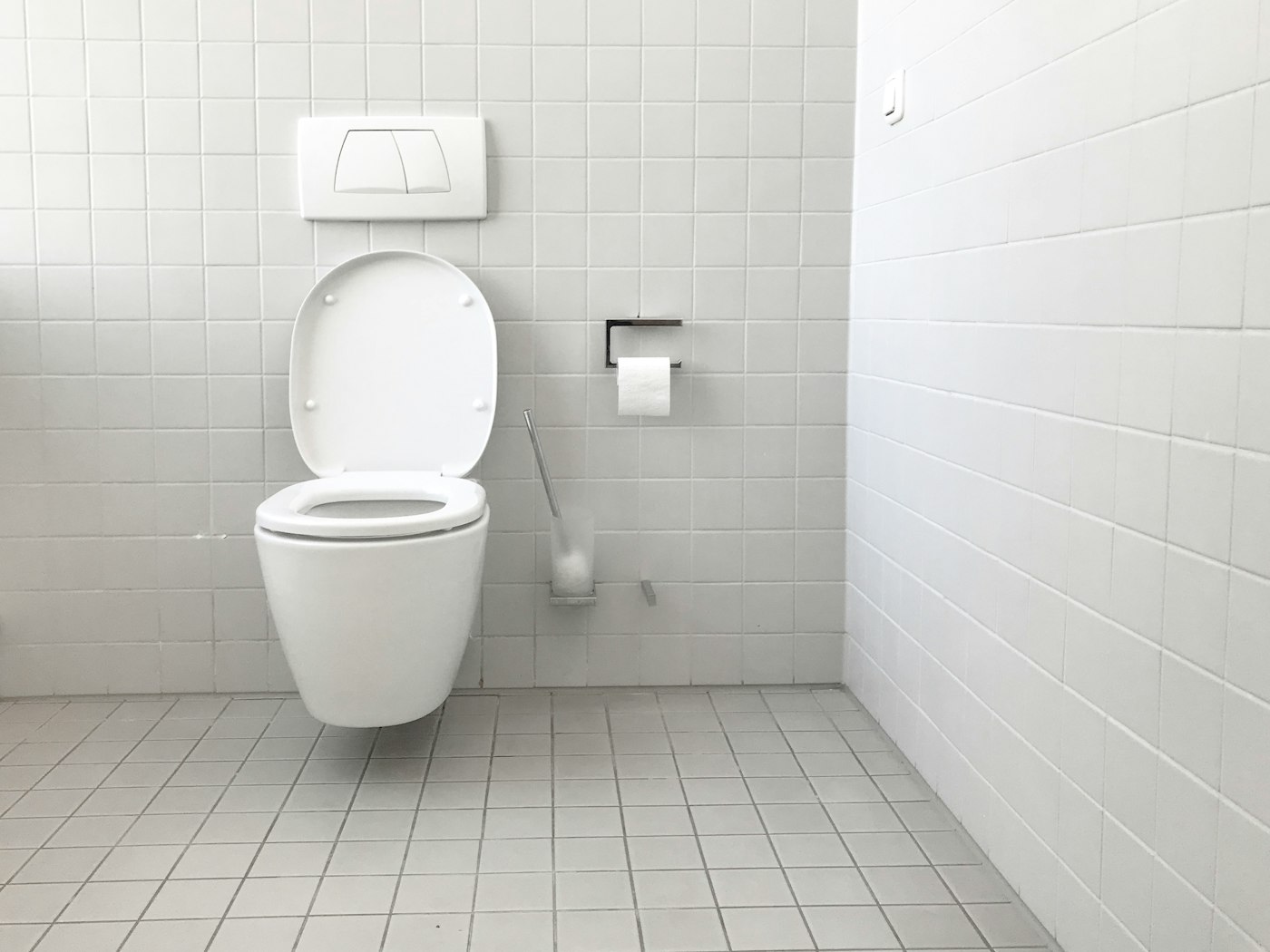
Choosing a toilet is rarely the exciting part of a bathroom remodel, but it is one of the decisions you will live with most closely. Modern toilets vary in construction, height, bowl shape and the way they mount to the floor or wall, and each difference affects comfort, cleaning and how the fixture fits the room.
Two-Piece and One-Piece
A two-piece toilet has a separate tank bolted to the bowl. It is the most common design, is generally the most economical, and is easier to carry and install because it comes in two parts. The seam between tank and bowl is a spot where dust collects, which is its main drawback.
A one-piece toilet molds the tank and bowl into a single unit. It has a sleeker, lower profile and no seam to clean around. One-piece models are heavier and usually cost more, but many homeowners find the easier cleaning worth it.
Wall-Hung Toilets
A wall-hung toilet mounts to a steel carrier frame concealed inside the wall, with the tank hidden in the wall as well. Only the bowl and a flush plate are visible. The floor beneath is completely open, which makes mopping effortless and gives a small bathroom a lighter, more open look. The bowl height can also be set during installation.
The trade-offs are real. Wall-hung toilets require a thicker wall or a furred-out wall section to house the carrier, more involved installation, and access to the tank components through the flush plate. They are a natural fit for a full remodel where walls are already open, and less practical as a simple swap.
Height and Bowl Shape
Standard toilets sit relatively low. Comfort-height or chair-height models raise the seat a few inches, closer to the height of a typical chair, which many adults find easier to sit down on and rise from. They are a common choice for aging-in-place planning but also simply a matter of preference. In a child’s bathroom, standard height may be the better fit.
Bowls come in round and elongated shapes. Elongated bowls extend farther from the wall and are generally considered more comfortable, while round bowls save a few inches in a tight powder room. Measure the clearance in front of the toilet before choosing.
Flush Systems and Water Use
Gravity-flush toilets, the quiet standard, rely on the weight of water in the tank. Pressure-assisted toilets use compressed air for a more forceful flush and are louder. Dual-flush models offer a lighter flush for liquids and a full flush for solids. Toilets that carry the WaterSense label meet federal efficiency and performance criteria, using less water per flush than the standard maximum while still clearing the bowl effectively.
- Check the rough-in, the distance from the wall to the drain center, before buying; most are a standard size, but older homes vary.
- Consider a skirted design that hides the trapway for easier cleaning.
- Look at seat options, including slow-close and bidet seats, which may need an outlet nearby.
A toilet should fit the room, the people who use it and the way you like to clean. Taking a few minutes to compare these types before a remodel means the fixture you choose will serve quietly for years.
Choosing a Toilet Step by Step
A toilet decision goes quickly once you work through the practical questions in order.
- Measure the rough-in. Measure from the finished wall, not the baseboard, to the center of the bolts that hold the toilet to the floor. This tells you which models will fit without moving the drain.
- Measure the clearance. Note the space in front of the toilet and on each side, including the distance to the vanity, tub and door swing.
- Decide on the mounting style. Floor-mounted one-piece or two-piece models suit most projects. Wall-hung models are best considered when walls will already be open.
- Choose height and bowl shape based on the people who will use the bathroom most and the space available.
- Select a flush system that balances performance, noise and water use for your household.
- Plan the seat and any extras, such as a bidet seat that may need an outlet nearby.
- Coordinate the finish. Toilet color should match the sink and tub, and the flush handle or plate can relate to the faucet finish.
Matching the Toilet to the Bathroom
Primary Bathrooms
Comfort and cleaning ease often come first. A one-piece, comfort-height, elongated toilet with a skirted trapway and slow-close seat is a popular combination. If the toilet sits in a separate water closet, ventilation and a light in that space are worth planning.
Hall and Children’s Bathrooms
Durability and cleaning ease matter. Standard-height toilets may be more comfortable for young children, while a durable seat and a smooth, skirted exterior make wiping down easier.
Powder Rooms
Space is often limited, so a compact elongated or round bowl may be the best fit. A one-piece or wall-hung toilet can make a small room feel more streamlined, and quiet flushing is appreciated in a room near living areas.
Common Toilet Mistakes
- Buying before measuring the rough-in, which can lead to a toilet that sits too far from the wall or will not fit at all.
- Ignoring the tank lid height when the toilet sits under a window, shelf or cabinet.
- Choosing a pressure-assisted model near bedrooms without considering the noise.
- Forgetting the outlet for a bidet seat or other powered accessories.
- Overlooking the flange. A damaged or poorly positioned flange can cause leaks, so it should be checked when the old toilet comes out.
Toilet Questions We Hear
Is comfort height right for everyone?
Many adults prefer it, but shorter people and children may find a standard height more comfortable. It is worth sitting on display models before deciding.
How do I service a wall-hung toilet tank?
The tank components are typically accessed through the removable flush plate. Quality carrier systems are designed to make common repairs possible without opening the wall.
Do skirted toilets fit standard drains?
Most do, though installation may differ slightly from traditional models. Check the manufacturer’s specifications for rough-in requirements and mounting hardware.
Will a dual-flush toilet save water in practice?
It can, when the reduced flush is used for liquid waste. The savings depend on how consistently household members use the appropriate button.
Your Toilet Selection Checklist
- Rough-in measured from the finished wall
- Front and side clearances confirmed
- Mounting style chosen to suit the scope of the project
- Height and bowl shape tested in person if possible
- Flush type selected with noise and water use in mind
- Seat, outlet needs and finish coordinated with the rest of the bathroom