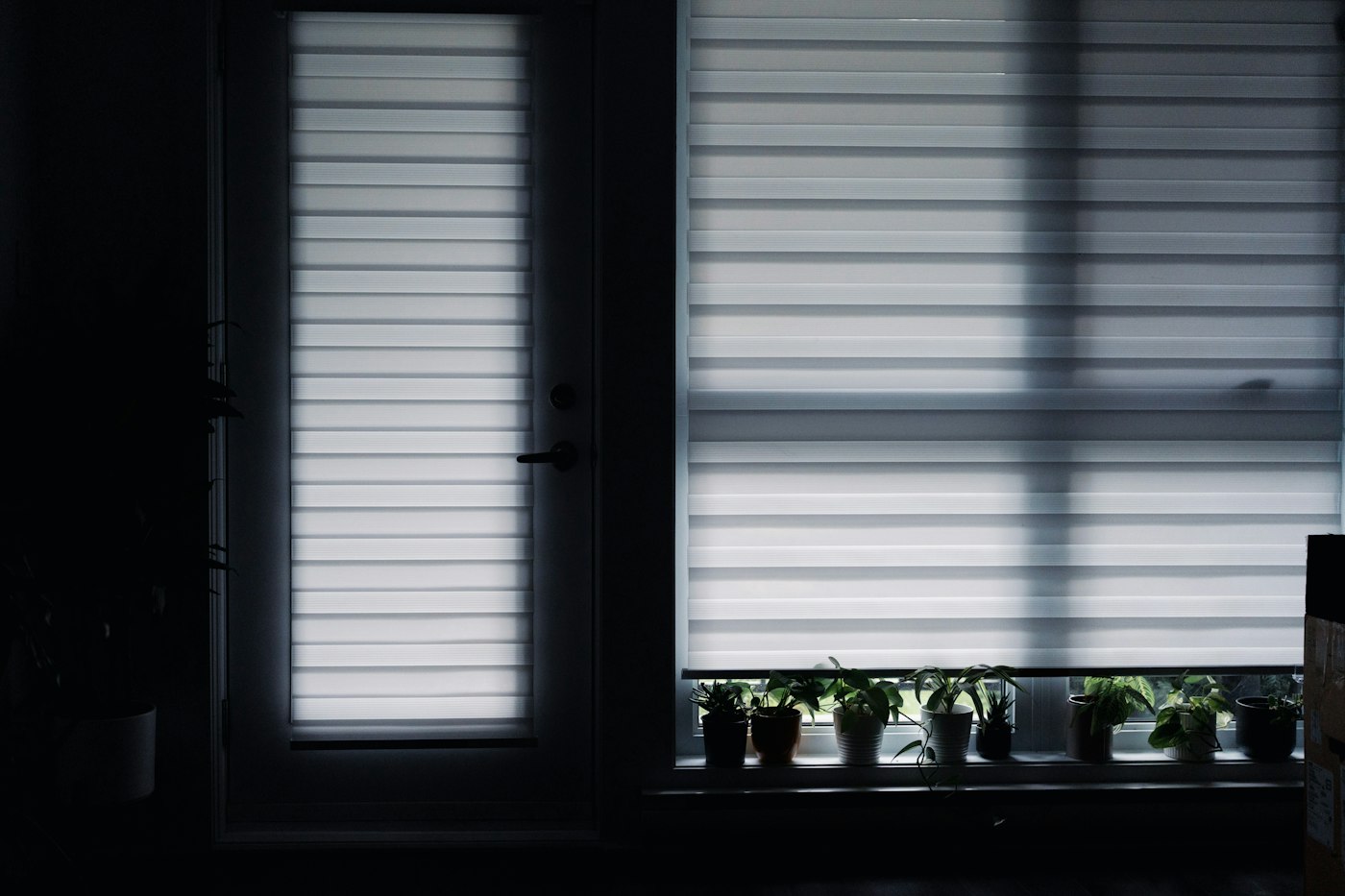
Kitchen windows live a harder life than any other windows in the house. They sit over sinks, beside ranges and in the path of afternoon sun, and whatever covers them has to shrug off steam, the occasional splash of sauce and years of fading light. Spring, when the sun gets stronger and the urge to freshen the room arrives, is a good time to rethink them. The goal is a treatment that cleans easily, controls glare and still lets the daylight pour in.
Shades
Roller shades are the simplest and most practical kitchen covering. A vinyl or coated-fabric roller shade wipes clean, rolls up out of the way entirely and comes in light-filtering and blackout versions. Solar shades, made of an open-weave screen, cut glare and heat while preserving the view, which is ideal for a sunny window over the sink. Cellular shades insulate well, and some are made with moisture-resistant materials suited to kitchens; look for that specification, since standard fabric cells can hold odors and humidity. Roman shades bring softness and pattern, and in a washable or wipeable fabric they are workable away from the range.
Blinds and Shutters
Horizontal blinds offer fine control over light and privacy. In a kitchen, faux-wood or composite blinds are the sensible choice, because real wood can warp in humidity and aluminum dents. Slats collect dust and grease, so they take more cleaning than a shade. Plantation shutters in vinyl or composite are the most durable option of all: they wipe clean, never fade, tolerate steam and give the window a finished, architectural look. They do reduce the glass area even when open, which matters in a small or dark kitchen.
Curtains and Soft Treatments
Fabric brings warmth that hard treatments cannot. Café curtains, which cover only the lower half of the window, give privacy at the sink while leaving the upper sash open to light; they are a classic kitchen solution. Short valances soften the top of a window without getting in the way. Full-length curtains are rarely practical in a kitchen unless the window is far from cooking and water. Whatever the style, choose machine-washable fabrics and avoid anything near a range, where fabric is both a grease magnet and a fire concern.
Film and Glass Treatments
Frosted or patterned window film adheres directly to the glass and provides privacy with no fabric at all. It works well for a window that faces a neighbor closely or for the lower half of a door. Decorative films come in etched, geometric and textured patterns and can be removed later. Tinted and low-emissivity films cut heat and glare on a west-facing window while leaving the view intact.
Choosing for Your Kitchen
- Over the sink: a roller or solar shade, café curtains or film, all of which tolerate splashes.
- Near the range: nothing fabric; a wipeable shade or shutters if a covering is needed at all.
- At a breakfast nook or eating area: Roman shades, curtains or shutters for a softer, furnished look.
- Glass doors to the yard: vertical cellular shades, panel tracks or a wide roller shade.
Mount treatments so they clear faucets and counters, and choose cordless or motorized operation, which is both safer for children and pets and cleaner-looking. Keep the color scheme simple, picking up a tone from the cabinets or backsplash so the window joins the room rather than competing with it. In a kitchen, the best window treatment is often the one you barely notice, until the sun hits the sink at five o’clock and you are glad it is there.
Measuring and Mounting Kitchen Window Treatments
In a kitchen, the way a treatment is mounted matters almost as much as what it is made of. Faucets, counters, backsplashes and cabinets all compete for space around the window.
- Inside mount. The treatment fits within the window frame. This keeps it away from the faucet and the countertop, and it gives a clean, tailored look. Measure the width and height of the opening at several points and use the smallest measurement.
- Outside mount. The treatment is mounted on the wall or trim above the window. This can make a window look larger and block more light, but check that it clears upper cabinets and does not hang into the work area.
- Depth. Shallow window frames may not hold certain shades or blinds without sticking out. Check the required mounting depth for the product.
- Clearance. Make sure tall faucets, soap dispensers and anything on the windowsill will not block the treatment when it is lowered.
Keeping Kitchen Treatments Clean
Even the most practical window treatment needs regular care in a room with cooking and water. A simple routine prevents buildup.
- Dust weekly. A microfiber cloth or a vacuum brush attachment keeps dust from mixing with grease and becoming sticky.
- Wipe monthly. Vinyl, coated fabric and composite surfaces can be wiped with mild soapy water. Dry them before raising or rolling them up.
- Wash seasonally. Take down curtains and valances and launder them according to the label.
- Check for wear. Look for faded spots, warped slats and loose brackets each spring.
Running the range hood while cooking helps keep grease from settling on the window and its covering in the first place.
Common Mistakes
- Hanging delicate or dry-clean-only fabrics near the sink or range.
- Choosing a treatment that blocks the view when it is open, especially in a small kitchen.
- Picking colors that clash with cabinets, counters or backsplash.
- Installing corded blinds or shades in a home with children or pets.
- Forgetting about the window’s direction; a west-facing window needs more sun control than a north-facing one.
Questions Homeowners Ask
Does every kitchen window need a covering?
No. If the window does not face a neighbor and does not get harsh sun, leaving it bare can make the most of the light and view. Simple trim or a narrow valance can finish the opening.
Can we match all the windows in an open kitchen and living area?
Using the same type or color of treatment throughout an open plan creates a calm, consistent look, even if the fabric or style changes slightly in the living area.
What is best for a window behind the sink in a remodel?
Discuss the window treatment early, when faucet height and window trim are being planned. We are glad to help you think through the whole wall so everything works together.