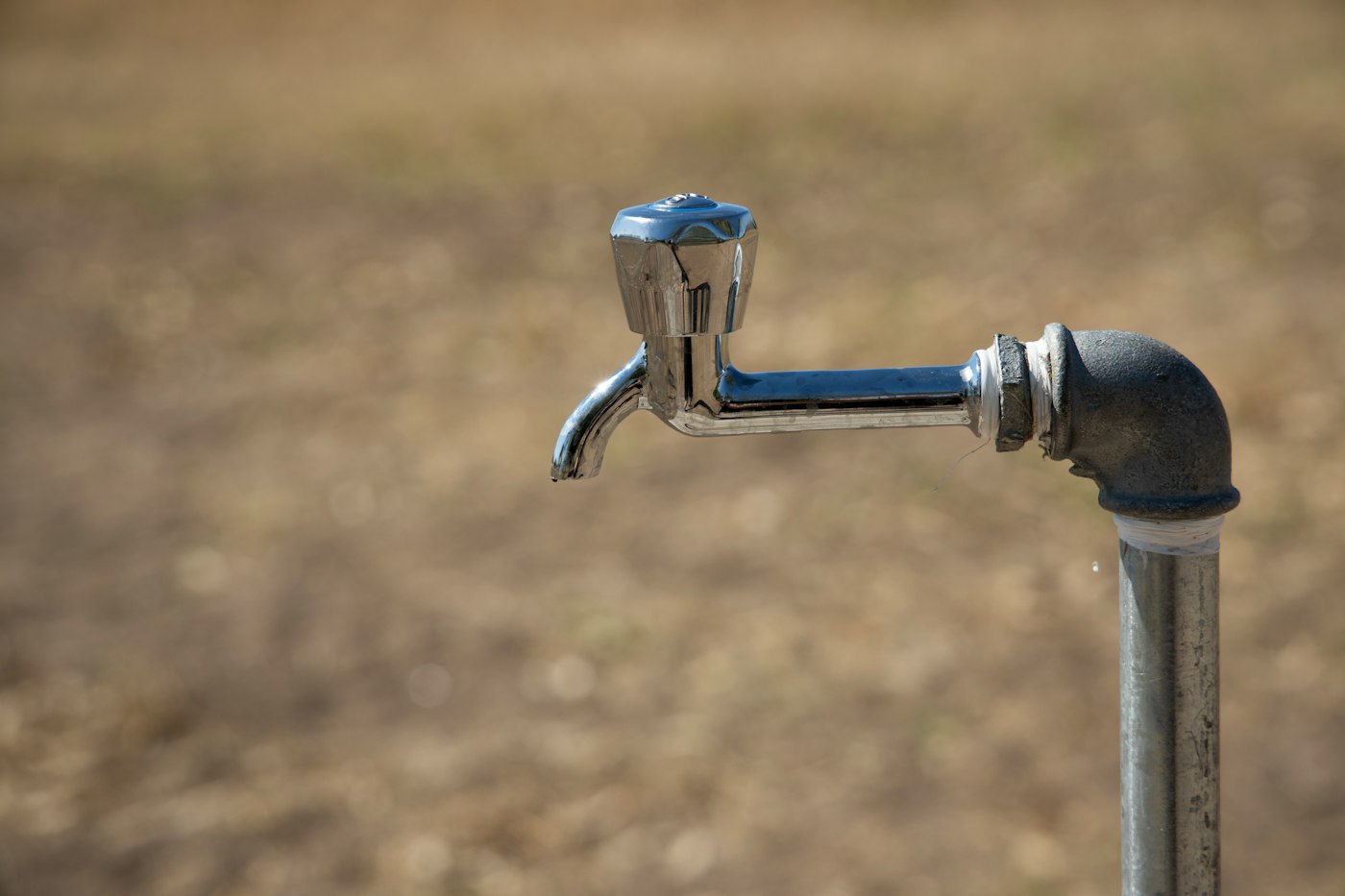
Most homes have a hose bib or two and nothing more outdoors. Yet a little plumbing in the right places transforms how a yard is used: a sink beside the grill, a shower by the pool or garden, a spigot at the far end of the lot. These projects are modest compared to a kitchen or bath, but they involve the same disciplines, water supply, drainage and protection from freezing, and they benefit from the same planning.
Hose Bibs Done Right
The humble outdoor faucet has improved. Frost-free hose bibs, also called sillcocks, place the actual valve well inside the heated wall so the exposed portion holds no water when the handle is closed, which prevents the burst pipes that plague older spigots. They must be installed with a slight downward pitch to drain, and the hose must be disconnected in cold weather for the design to work. A vacuum breaker, a small device on the spout, prevents contaminated water from being drawn back into the house supply, and many jurisdictions require one.
Think about placement. A bib on each side of the house ends the long drag of a hose around corners. A bib near the driveway serves car washing, and one near the garden or patio serves plants and cleanup. A quarter-turn ball valve handle is easier to operate than a multi-turn one.
Outdoor Showers
An outdoor shower is one of the small luxuries of warm weather. At its simplest, it is a cold-water shower fed by a hose bib and mounted on a wall or post, used to rinse off sand, chlorine or garden soil. A more complete version has hot and cold supply lines run from the house, a mixing valve, a privacy enclosure of wood, stone or planting, and a floor that drains. Drainage is the planning question. Rinse water may be allowed to run into a gravel bed or dry well in some areas, while others require a connection to the sewer or a drain, especially if soap is used. Check with your local building department. In cold climates, the supply lines need shut-off valves inside and a way to drain them before frost.
Garden and Outdoor Kitchen Sinks
A potting sink near the garden or a prep sink in an outdoor kitchen saves many trips indoors. Cold water alone suffices for a potting bench; an outdoor kitchen sink usually warrants hot water as well. Drainage can go to the house sewer where allowed or to a dry well for cold-water rinse sinks, again subject to local rules. Choose a sink and faucet rated for outdoor use; stainless steel and composite sinks hold up, and simple faucets with few moving parts weather best. A deep basin handles muddy pots and large platters.
Irrigation and Other Connections
- An irrigation system taps the supply through a dedicated line with a backflow preventer, which codes generally require.
- A drip system for beds and containers can run from a hose bib with a timer.
- A pot filler or water line to a fountain or pond needs its own shut-off.
- Rain barrels at downspouts supply non-potable water for the garden.
Winterizing
Everything outdoors with water in it must be protected from freezing in cold regions. That means interior shut-off valves on every outdoor line, drain fittings at low points, blowing out irrigation lines and disconnecting hoses. Designing those shut-offs in from the start, and locating them where they are easy to reach, turns fall winterizing into a few minutes of work. A plumber can run new lines, install the right valves and confirm what local codes require. With that groundwork done, water follows you into the yard wherever you need it.
Planning Outdoor Water, Step by Step
Outdoor plumbing is easiest and least expensive when it is planned as a whole, rather than one spigot at a time. A simple process keeps you from digging the same trench twice.
- Map how you use the yard. Mark where you water plants, wash cars, clean tools, cook, swim and relax.
- Locate existing lines. Note where water enters the house, where existing hose bibs are and where interior shut-offs sit.
- List the outdoor fixtures you want. Include future ones, such as an outdoor kitchen sink or shower, even if you plan to build them later.
- Plan drainage for each fixture. Decide where water from each sink or shower will go and confirm the rules.
- Plan shut-offs and drains. Every outdoor line should have an accessible interior shut-off and a way to drain it.
- Coordinate with other projects. If a patio, deck or landscaping project is coming, run lines before surfaces are installed.
Designing a Comfortable Outdoor Shower
- Privacy. Consider sight lines from neighboring windows and the yard. Enclosures can be partial, with an open top for light and air.
- Flooring. Slatted wood or composite decking over gravel, textured stone or pavers all drain well and resist slipping.
- Fixtures. Choose a showerhead and valve rated for outdoor use, and consider a handheld for rinsing feet, pets or gear.
- Convenience. Include hooks for towels, a bench or shelf and a spot for shoes and toiletries.
- Location. Close to the back door, pool or garden path is most useful. Placing it against a house wall can simplify plumbing.
- Lighting. Low, wet-rated lighting makes evening use safer and more pleasant.
Common Mistakes
- Burying shut-offs out of reach. Valves behind finished walls or under decks make winterizing a chore.
- Leaving hoses connected in cold weather. A connected hose can trap water in even a frost-free bib.
- Skipping backflow protection. Without it, contaminated water can be drawn back into household supply lines.
- Letting shower water pool. Poor drainage creates mud, mildew and slippery surfaces.
- Using indoor-only fixtures. Sun and weather quickly break down parts not made for outdoor use.
Questions Homeowners Ask
Can a hose bib be added on any wall?
Often, yes, though some walls are easier than others depending on where the supply lines run and what is on the other side. A plumber can identify the simplest location.
Do outdoor showers need hot water?
Not necessarily. Cold water works for quick rinses, but warm water makes a shower more pleasant for more of the year.
Can rain barrel water be used for everything?
Rain barrel water is generally intended for watering plants and should not be used for drinking or bathing. We are glad to help you plan outdoor plumbing that fits your yard and your local codes.