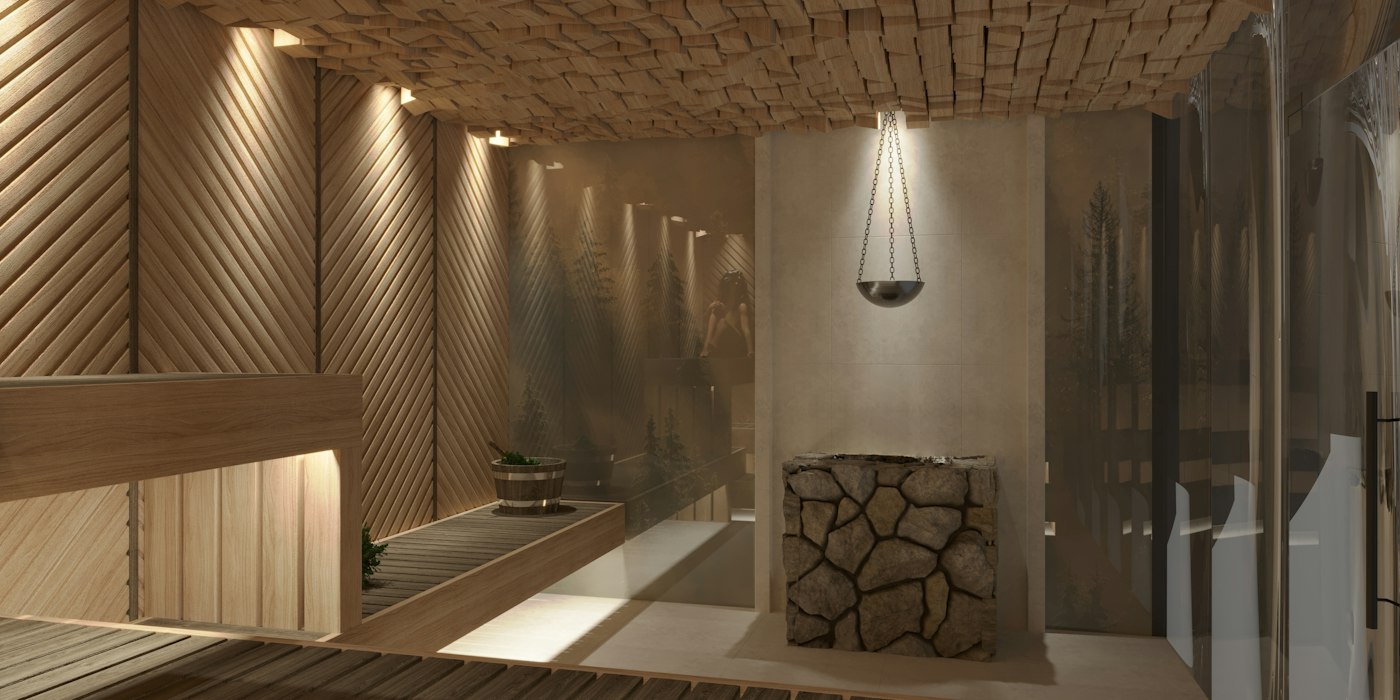
A steam shower is one of the features that moves a bathroom from functional to indulgent. With the press of a button, the enclosed shower fills with warm vapor, and the space becomes a small steam room before or after the usual shower. The experience is simple; the construction behind it is not. A steam shower asks more of the enclosure, the waterproofing and the mechanical systems than a standard shower does, and those requirements have to be designed in from the start.
How a Steam Shower Works
The heart of the system is a steam generator, a compact unit roughly the size of a small suitcase that heats water to boiling and sends steam through a line to a steam head mounted low in the shower. A control panel inside the shower sets temperature and duration, and many systems add aromatherapy, lighting and music. The generator connects to a cold-water supply, a drain and a dedicated electrical circuit, and it sits somewhere outside the shower within a limited run of the steam head, such as a vanity cabinet, a closet, an attic or a basement space below.
The Enclosure
Steam has to be contained. The shower must be fully enclosed from floor to ceiling, with a door and glass panels that seal and a transom or a glass panel closing the gap above the door that an ordinary shower would leave open. The ceiling is part of the enclosure and should be sloped slightly so that condensation runs to the walls rather than dripping on the bather. Ceiling height is typically kept moderate, since taller enclosures need a larger generator to fill them. A built-in bench is nearly essential; steam is an experience of sitting, not standing.
Waterproofing and Materials
A standard shower is waterproofed on the floor and walls up to a certain height. A steam shower is waterproofed everywhere, including the ceiling, with a vapor-retarding membrane that keeps steam from migrating into the framing. The tile and setting materials should be chosen with steam in mind. Dense porcelain tile holds heat and sheds moisture well and is the most common choice. Natural stone is beautiful but absorbs heat, which means a larger generator, and it needs careful sealing. Fixtures, including the door hardware and the steam head itself, should be rated for the environment.
Electrical, Lighting and Ventilation
- The generator requires its own electrical circuit, sized to the unit and installed by an electrician.
- Lighting inside the enclosure must be rated for wet, steamy conditions; recessed vapor-proof fixtures are typical.
- An exhaust fan outside the enclosure, run after each use, clears residual humidity from the bathroom.
- Controls inside the shower are low voltage and connect to the generator.
Sizing, Planning and Whether It Is Worth It
Generators are sized by the volume of the enclosure, adjusted for materials, ceiling height and the presence of exterior walls or skylights, all of which affect how quickly steam fills the space and how much heat is lost. Manufacturers publish sizing guides, and an installer who has done several steam showers will know the adjustments. Plan the generator location, the steam head position away from the bench and the door, the bench, the lighting and the control placement before tile is selected, because every one of them affects what the tile installer and plumber need to do.
A steam shower adds cost and complexity to a bathroom remodel and uses water and electricity when it runs. In return it offers a daily ritual that many owners describe as the best part of their home. If the idea appeals to you, the time to raise it is at the first design meeting, when the enclosure and the mechanical paths can be worked out together. Retrofitting steam into a finished shower is rarely practical, but designing it in from the start is a well-understood process for an experienced team.
Planning a Steam Shower Step by Step
A steam shower comes together best when every trade knows the plan before work begins. This sequence keeps the pieces in order.
- Confirm the space. Check the shower size, ceiling height and whether it shares walls with the exterior or other rooms.
- Choose the generator location. Find a spot within the manufacturer’s allowed distance that offers service access.
- Size the generator. Use the manufacturer’s guide, adjusting for materials, ceiling height and exterior walls.
- Design the enclosure. Plan the full-height glass, door, ceiling slope and bench.
- Plan the mechanicals. Coordinate the plumbing, drain, electrical circuit, controls, lighting and exhaust fan.
- Waterproof thoroughly. Install a vapor-retarding waterproofing system on walls, ceiling and floor, and inspect it before tile.
- Choose tile and finishes. Select materials suited to steam.
- Test before use. Run the system, check for leaks and confirm everything operates as designed.
Using and Caring for a Steam Shower
- Keep sessions moderate. Follow the manufacturer’s recommendations for time and temperature, and stay hydrated.
- Check with your doctor. People who are pregnant or have heart conditions, blood pressure concerns or other health issues should ask their doctor before using a steam shower.
- Ventilate afterward. Open the door and run the exhaust fan after each session to clear moisture from the bathroom.
- Clean regularly. Wipe down glass and tile to prevent mineral buildup, and use cleaners safe for your tile and grout.
- Maintain the generator. Many units have automatic flushing features; others need periodic descaling, especially in hard water areas.
- Inspect seals. Check door seals and caulk joints periodically and repair them before steam escapes into walls or the room.
Common Mistakes
- Undersizing the generator. A unit too small for the enclosure and materials will take a long time to fill the space.
- Leaving an open gap above the door. Steam escapes, and the system works harder.
- Flat ceilings. Condensation drips on bathers.
- Placing the steam head near the bench. The steam outlet is hot. Position it where people will not sit or touch it.
- Hiding the generator. Without an access panel, servicing becomes a demolition job.
- Choosing porous or rough materials. Surfaces that hold moisture or trap residue are harder to keep clean in a room that fills with warm vapor every day.
Questions Homeowners Ask
Can a steam shower be used as a regular shower?
Yes. It works as a normal shower whenever the steam is off.
Does it need a special door?
It needs a door and glass designed to seal the enclosure, often with a transom or full-height glass and a door that swings out.
Can we add steam to an existing shower?
It is rarely practical without opening walls and ceiling for waterproofing and mechanicals. If steam is on your wish list, mention it early, and we can plan it into your bathroom design from the start.