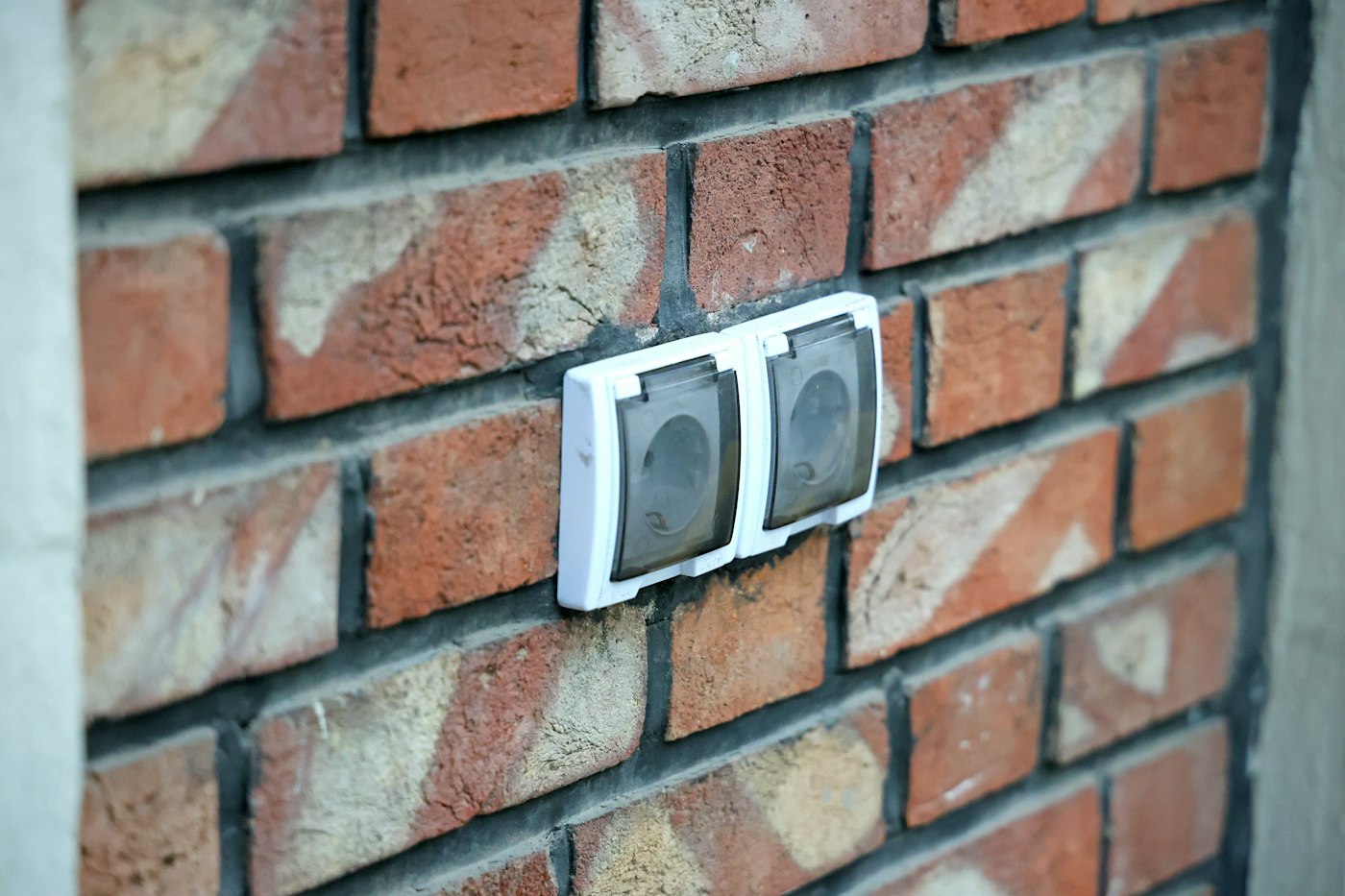
Many outdoor living spaces start with one lonely receptacle by the back door, and then the wish list grows: string lights, a fan over the table, a blender at the outdoor counter, a pump for a fountain, a place to charge a phone. Extension cords snaking across a patio are a trip hazard and a sign that power was an afterthought. Planning outdoor electrical work early, before pavers are laid and walls are built, makes the space safer and far more useful.
Think through how the space will be used
Walk the patio or deck and imagine a typical evening. Where will the grill or outdoor kitchen go? Where will people sit? Will there be heaters, fans, a television, speakers or a hot tub? Mark each spot that needs power, then add a few for things you have not thought of yet, such as holiday lights or a pressure washer.
Receptacles near seating, at the outdoor counter, at the far edges of the patio and near planting beds all tend to get used. Switches inside the house for patio lights and fans are a convenience worth including.
Protection outdoor circuits need
Outdoor wiring has to stand up to water, sun and temperature swings, and electrical codes reflect that. Codes generally require ground-fault protection for outdoor receptacles, which cuts power quickly if current leaks to ground, as it can when water is involved. That protection may come from a GFCI receptacle or a GFCI breaker.
- Weather-resistant receptacles are made with materials that hold up better to moisture and sunlight.
- In-use covers, sometimes called bubble covers, close over a plug while it is in use and protect the connection in the rain.
- Boxes, fittings and conduit should be rated for outdoor or wet locations.
Dedicated circuits for bigger loads
An outdoor kitchen can draw as much power as an indoor one. Refrigerators, ice makers, electric grills, rotisseries and some pizza ovens may need circuits of their own, and each appliance’s installation instructions say what it requires. Electric patio heaters can be significant loads, too. Hot tubs and spas typically need a dedicated circuit and a disconnect within sight of the tub, among other rules, so involve an electrician early.
All of that power has to come from somewhere. Before planning a large outdoor kitchen, find out whether the electrical panel has the room and capacity. An upgrade or subpanel is far easier to plan at the start than to discover halfway through.
Running the wire
Outdoor wiring usually travels underground, either in conduit or as cable rated for direct burial, at depths set by code. The best time to run it is before the patio, walls and plantings go in. Even if an outdoor kitchen is years away, laying empty conduit under a new patio toward its likely location can save tearing up pavers later.
Low-voltage landscape lighting runs from a transformer plugged into a protected receptacle. Its wiring is simpler, but the transformer’s location, timer and controls still deserve some thought.
Leave it to a licensed electrician
Outdoor electrical work usually requires a permit and inspection, and the combination of water and power leaves little room for error. A licensed electrician can design circuits around your plans, confirm panel capacity and make sure everything meets local requirements. Bring a sketch of the space and your list of uses, and the conversation will go quickly.
A Worked Example: Mapping Power for a Typical Patio
It helps to see how a wish list turns into a plan. Picture a paver patio off the kitchen with a dining table, a seating area around a fire feature, a grill station along one edge and a planting bed at the far side. Here is how we would walk through it with a homeowner.
- Grill station. One protected receptacle at counter height for a rotisserie, a blender or a pellet grill, plus a second if a small refrigerator is planned. If the refrigerator is likely, we note it as a possible dedicated circuit.
- Dining table. A switched outlet or a box near the overhead structure for string lights or a ceiling fan, controlled from a switch just inside the door.
- Seating area. A receptacle low on a seat wall or post for phone chargers, a speaker or a lamp, so no cord has to cross the walking path.
- Planting bed. A protected receptacle for the landscape lighting transformer and perhaps a fountain pump, placed where the transformer can be reached for timer changes.
- Future items. Empty conduit stubbed toward a spot where a spa, a heater or a pergola with lights might go someday.
On paper this is only a handful of points, but each one replaces an extension cord, and the conduit for future items costs little compared with cutting pavers later.
Mistakes That Show Up Again and Again
Most outdoor power problems we see are not dramatic. They are small decisions that make a space frustrating to use or harder to maintain.
- Receptacles placed where sprinklers hit them. Even a weather-resistant device with an in-use cover does better when it is not drenched every morning. Check spray patterns before setting box locations.
- One GFCI protecting too much. When a single device protects a long string of receptacles, one nuisance trip can shut down the whole patio, and finding the reset can be a puzzle. Ask where the reset will be and keep it somewhere easy to reach.
- Indoor-rated extension cords left outside. Cords not made for outdoor use can crack in the sun. If a cord is truly temporary, use one rated for outdoor use and put it away afterward.
- Switches nobody can find. Label switches inside the door, or group patio controls in one spot, so guests and family are not flipping every switch in the kitchen.
- Forgetting maintenance access. Transformers, timers and disconnects buried behind shrubs become a chore. Leave room to reach them.
Testing protection devices
GFCI receptacles and breakers have a test button for a reason. Pressing it should cut power, and pressing reset should restore it. Device manufacturers generally recommend testing regularly, and the start of each outdoor season is an easy time to remember. A device that will not trip or will not reset should be looked at by an electrician.
Lighting and Controls Worth Considering
Power and lighting go together on a patio. Beyond the basic switch, a few control choices make the space more pleasant:
- Dimmers for overhead fixtures and string lights, so the table can go from bright for cooking to soft for conversation. Make sure the fixture and bulbs are compatible with the dimmer.
- Timers and photocells for landscape lighting, so lights come on at dusk without anyone remembering.
- Separate switching for task lighting at the grill and ambient lighting elsewhere, so the cook can see without lighting up the whole yard.
- Smart switches or plugs rated for outdoor use, if you like controlling lights and fans from a phone. Check the rating and the location before buying.
Questions Homeowners Ask About Patio Power
Can I add receptacles to an existing patio without tearing it up?
Often, yes. Wiring can sometimes run along the house wall, through a crawl space or under a narrow strip of lawn beside the patio. It depends on the layout, and an electrician can suggest routes after a look.
Do outdoor ceiling fans need special fixtures?
Fans and light fixtures used outdoors should be rated for the location, damp for covered areas and wet where they can be rained on directly. The rating is on the label and in the instructions.
Is solar lighting a substitute for wiring?
Solar path lights are handy for spots far from power, but their brightness depends on sun exposure and they rarely match wired lighting for a dining or cooking area. Many patios use both.
When should the electrician be brought in?
During design, before pavers, footings or walls are scheduled. That is when wire routes, conduit and panel capacity can be settled at the lowest cost and with the fewest surprises.