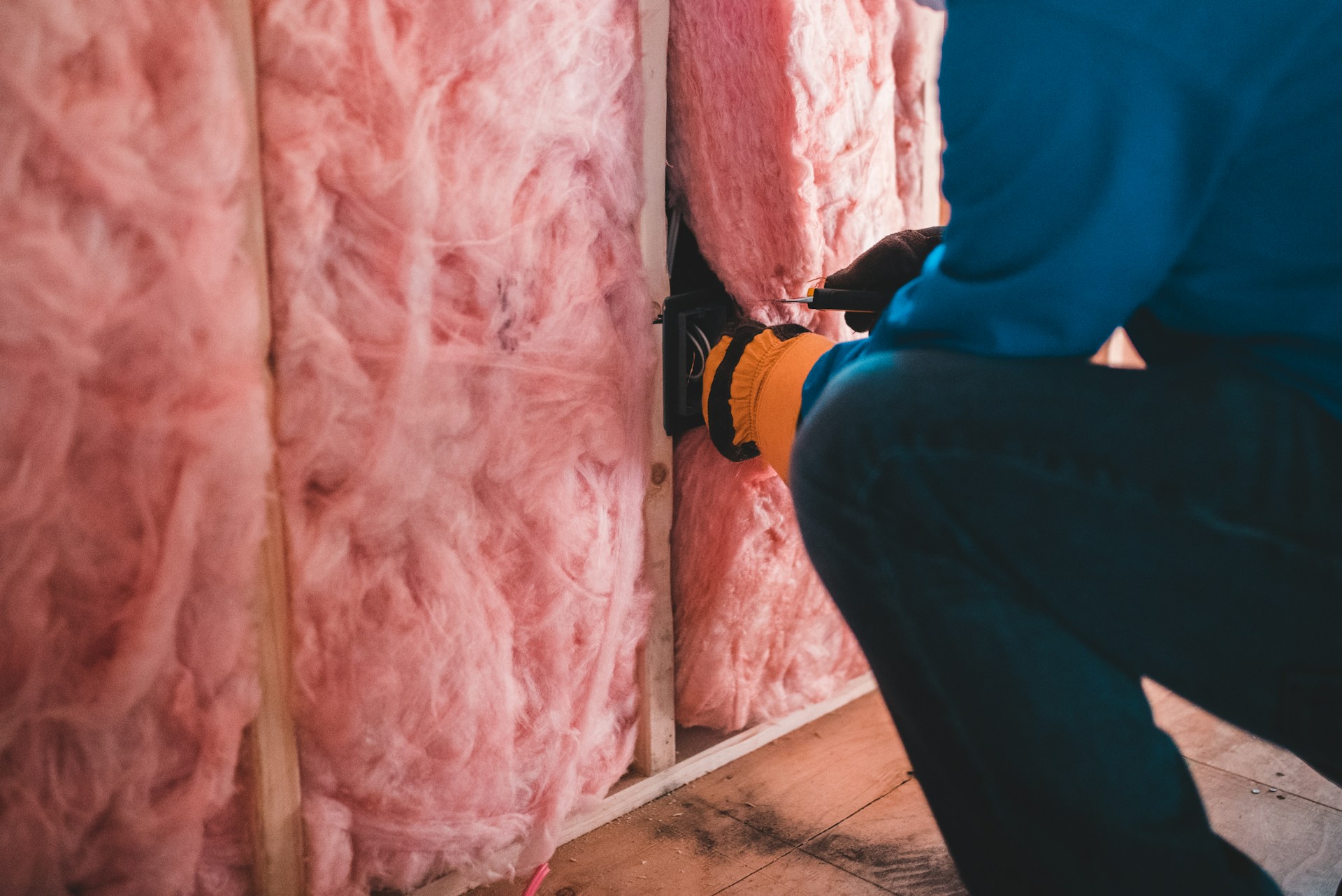
High summer cooling bills tend to prompt the same questions. Does the house need new windows? More insulation? A new air conditioner? A home energy audit, sometimes called an energy assessment, answers those questions with measurements instead of guesses. When a remodel is on the horizon, the findings can shape the project so that walls and ceilings opened for one reason are improved for another.
What an energy audit is
A professional energy audit is a systematic look at how a home uses energy and where it loses it. The auditor examines the building envelope, meaning the walls, attic, foundation, windows and doors, along with the heating, cooling, ventilation and water heating equipment. The result is usually a report with findings and recommendations ranked by priority.
Homeowners can do a basic walk-through themselves, looking for drafts, gaps and thin insulation, and energy.gov explains how. A professional audit adds specialized testing that finds what the eye cannot.
Tools of the trade
- Blower door: a powerful fan mounted in an exterior doorway lowers the air pressure inside the house, pulling outside air in through every leak. It measures how leaky the house is overall and makes individual leaks easier to find.
- Infrared camera: thermal imaging shows temperature differences on walls and ceilings, revealing missing insulation, air leaks and sometimes moisture. It works best when indoor and outdoor temperatures differ significantly.
- Duct testing: some audits measure how much air escapes from the duct system.
- Combustion safety testing: in homes with gas or oil appliances, auditors check venting and carbon monoxide.
Common findings
Many audits turn up the same themes: attic air leaks around lights, pipes and the attic hatch; insulation that is thin, settled or missing in sections; leaky ducts in attics and crawl spaces; uninsulated rim joists in basements; and gaps around windows and doors, which are often a bigger issue than the glass itself. The report will usually point out which items are likely to make the biggest difference.
How findings shape a remodel
An audit is most valuable when it informs work you are already planning.
- Replacing siding may be the moment to seal the walls and add exterior insulation before new siding goes on.
- Opening a kitchen or bathroom ceiling makes air sealing and insulating the attic above easier.
- Finishing a basement is the time to insulate and seal rim joists and walls.
- Replacing heating and cooling equipment after envelope improvements may allow a smaller system, sized by a proper load calculation.
An audit may also show that windows you planned to replace are performing reasonably well, and that air sealing would deliver more comfort for the effort.
Finding an auditor
Some utilities and state energy offices offer audits or incentives, and programs vary widely, so check what is available where you live. Ask auditors whether they perform blower door testing, what their report includes and whether they are independent of any company selling the recommended work. With an audit in hand, a remodel can do double duty, improving both how a home looks and how well it works.
Preparing for Audit Day
A little preparation helps the auditor work efficiently and gives you better results.
- Gather your bills. Twelve months of electric and gas bills show how energy use changes with the seasons.
- List your concerns. Write down rooms that are uncomfortable, drafts you have noticed, high bills and any moisture or odor issues.
- Know your equipment. Note the age and model of your heating and cooling equipment and water heater, if you can find them.
- Clear access. Make sure the auditor can reach the attic hatch, the basement or crawl space, the mechanical room and the electrical panel.
- Prepare for the blower door. Close windows, and be ready for the auditor to set up a fan in an exterior doorway. Fireplace ashes should be cleaned or covered, since depressurizing the house can pull ash into the room.
- Share your remodel plans. If you are thinking about a kitchen remodel, an addition or new siding, tell the auditor so recommendations can be tied to that work.
Reading the Report
An audit report can be long and technical. Focus on a few things:
- The priority list. Most reports rank recommendations. Start with the items that improve comfort and safety the most.
- Safety findings. Combustion and carbon monoxide issues come first, ahead of any efficiency improvements.
- Air leakage results. The blower door measurement provides a baseline that can be compared after air sealing.
- Photos and thermal images. These show where problems are and make it easier to discuss them with contractors.
- Health and moisture notes. Signs of moisture or ventilation issues deserve attention, especially before sealing a house more tightly.
If something in the report is unclear, ask the auditor to explain it. A good auditor wants you to understand the findings.
Mistakes to Avoid After an Audit
- Sealing without ventilation. A tighter house needs adequate mechanical ventilation, such as properly vented bath and kitchen fans. Ask the auditor what your home needs.
- Doing the easy items and stopping. Changing bulbs is easy; sealing the attic is the bigger win. Make a plan for the larger items too.
- Replacing equipment before envelope work. Improvements to insulation and air sealing can change the size of system the house needs.
- Losing the report. Keep it with your home records. It is useful for future remodels and for future owners.
- Skipping a follow-up test. A second blower door test after air sealing confirms that the work was effective.
Questions Homeowners Ask
How long does an audit take?
It depends on the size of the home and the testing involved. Ask the auditor when scheduling so you can plan to be home.
Should I have an audit before buying a house?
Some buyers do, alongside a standard home inspection. It can help identify comfort issues and plan improvements.
Can an audit help with a new addition?
An audit evaluates the existing house. For an addition, a load calculation and good design are the main tools, though audit findings can guide how the addition ties into the existing home.
Is the infrared camera test useful in summer?
It can be, when there is a meaningful temperature difference between indoors and outdoors, such as on a hot afternoon with the air conditioning running. The auditor will choose the timing.