The Atlantic hurricane season officially runs from June 1 through November 30, and for homeowners in coastal and storm-prone areas, early summer is a natural time to think about how well a house would hold up in high winds. Windows and doors are among the most vulnerable parts of any home. Impact-resistant products are designed to keep those openings intact when debris strikes, and they have become a common upgrade in many coastal regions.
Why openings matter so much
During a severe storm, wind carries branches, shingles and other debris. If a window or door breaks, wind and rain pour inside. Beyond the water damage, a sudden opening can raise the air pressure inside the house and add stress to the roof and walls. Keeping openings closed is a central goal of storm-resistant construction.
How impact glass works
Impact-resistant windows use laminated glass, made of two or more layers of glass bonded to a tough plastic interlayer. When struck hard, the glass may crack, but the interlayer holds the pieces together and keeps the opening covered, much like a car windshield. Many impact units pair laminated glass with an insulated glass unit for energy efficiency.
The frame matters just as much. It is reinforced, the glass is set deeply into it, and the whole unit is anchored to the house according to specific installation instructions. A strong window installed poorly can still fail.
Products are tested by striking them with debris, such as lengths of lumber, and then subjecting them to repeated pressure cycles that simulate gusting wind. Ratings and product approvals tell you what conditions a window or door has been tested to withstand.
Doors, including the garage
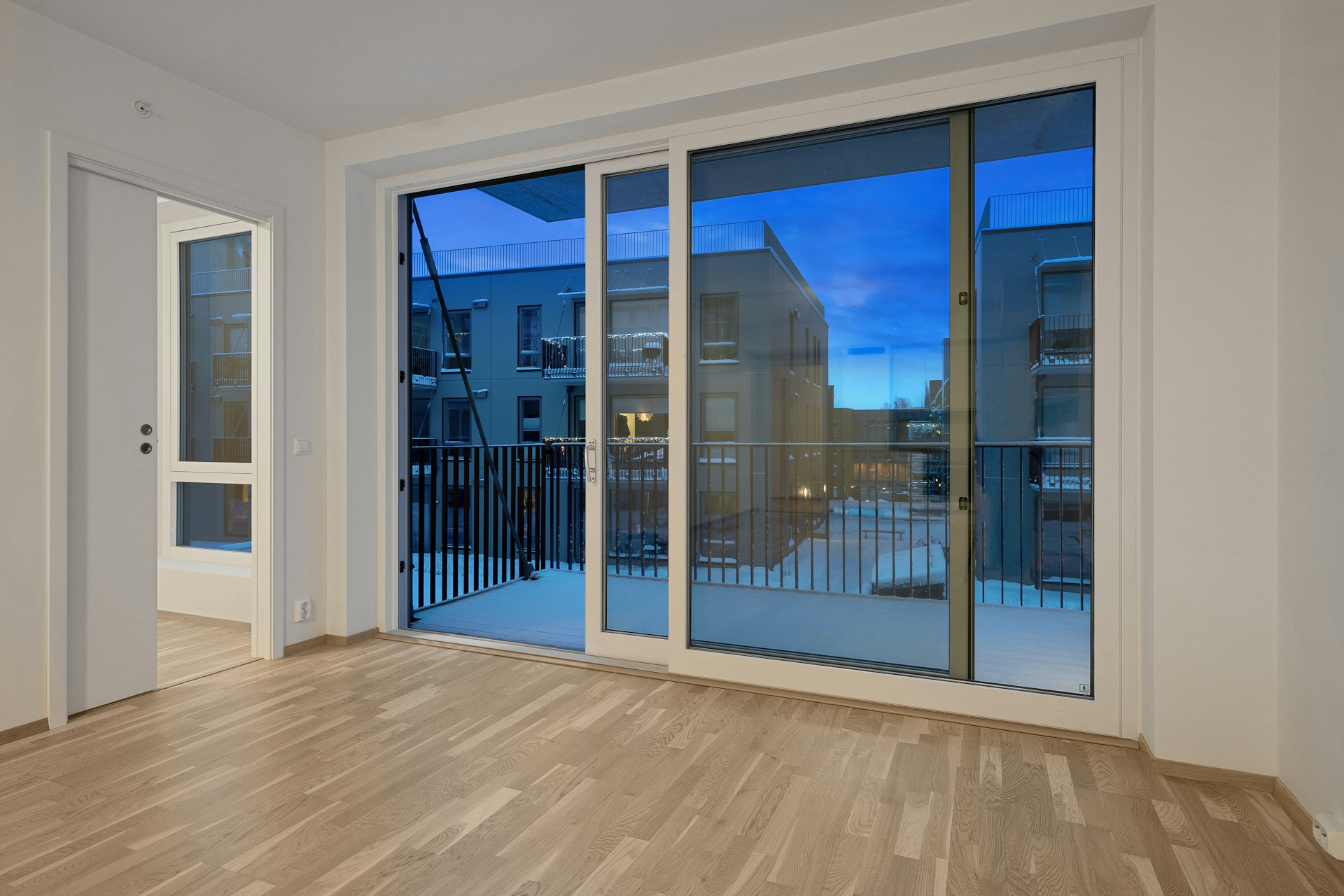
Entry doors, patio doors and garage doors all need attention in a storm-resistant home. Impact-rated patio doors use laminated glass and reinforced frames, much like windows. Garage doors, with their large surface area, can be especially vulnerable to wind pressure, and doors rated for higher winds, or manufacturer reinforcement kits, address that weak point.
Impact products versus shutters
- Impact windows protect the house all the time, with nothing to put up as a storm approaches, which matters when you are away or unable to install shutters.
- They also bring everyday benefits, including added security, less outside noise and strong ultraviolet protection for furnishings.
- Storm shutters, whether panels, accordion, roll-down or colonial styles, protect existing windows and can cost less upfront, but most must be deployed before each storm.
- Some homeowners combine approaches, using impact products on the most exposed walls and shutters elsewhere.
In some coastal areas, building codes require protection of openings in new construction and certain renovations, and the details vary by location and wind zone. Your local building department can explain what applies and what approvals products must carry. Some insurers consider opening protection when setting premiums, so ask your agent how they treat these upgrades. Because impact windows are heavier and more involved to install than standard units, choose an installer experienced with them, and start the conversation early in summer to leave time before the busiest part of the season.
Planning an Upgrade, Step by Step
Impact-resistant windows and doors are a significant investment, and the process works best when it starts well before a storm is in the forecast.
- Check local requirements. Ask your building department what protection is required for your location and the type of work you are doing, and what product approvals are accepted.
- Prioritize openings. If upgrading the whole house at once is not practical, start with the most exposed walls, large windows and glass doors, and the garage door.
- Talk with your insurer. Ask how opening protection affects your policy and what documentation they need.
- Get an in-home evaluation. An experienced installer will measure openings, look at the framing around them and discuss products suited to your wind zone.
- Review product details. Ask for the ratings and approvals for each product and confirm they match local requirements.
- Plan the schedule. Impact products can have long lead times. Ordering early helps the installation happen before the busiest weeks of the season.
- Keep records. Save product labels, approvals, permits and inspection reports. They may be needed for insurance and for future buyers.
Mistakes to Avoid
- Choosing a product without checking approvals. A window marketed as storm-resistant may not meet your local requirements.
- Overlooking the installation. Anchoring and fastening must follow the manufacturer’s tested instructions. Ask how the installer handles this.
- Removing labels too soon. Some jurisdictions require labels to remain until inspection. Ask before peeling them off.
- Forgetting the garage door. A large, weak garage door can be the opening that fails first.
- Relying on tape. Taping windows does not keep glass from breaking and is not a substitute for real protection.
- Waiting until a storm is forecast. Products and installers are in high demand once a storm approaches.
A Storm-Season Checklist for Openings
- Inspect windows and doors for damaged seals, cracked frames and failed caulking.
- Make sure sliding doors lock securely and tracks are clean.
- If you use shutters, inventory every panel and its hardware, label them by opening and practice installing them.
- Check the garage door’s condition and any reinforcement hardware.
- Trim trees and remove loose items near the house that could become debris.
- Keep photos of your windows and doors for insurance records.
Questions Homeowners Ask
Do impact windows need shutters too?
Properly rated and installed impact windows are designed to protect openings without shutters. Check local code and your product’s approvals for specifics.
Can impact glass break?
Yes, it can crack when struck, but the interlayer is designed to keep the opening covered. Damaged glass should be replaced after a storm.
Are impact windows harder to open?
They are heavier than standard windows, but quality hardware keeps them operable. Try them in a showroom if you can.
What happens after a storm?
Walk the house and look at every opening. Cracked laminated glass, bent frames or damaged hardware should be evaluated and replaced, even if the opening held. Photograph damage before cleanup for insurance purposes.
Can impact windows match the style of an older home?
Many manufacturers offer impact products in a range of frame colors, grille patterns and profiles, including styles meant for traditional houses. Bring photos of your home to the consultation so options can be narrowed to those that suit its character, and ask to see how simulated divided lites look up close.