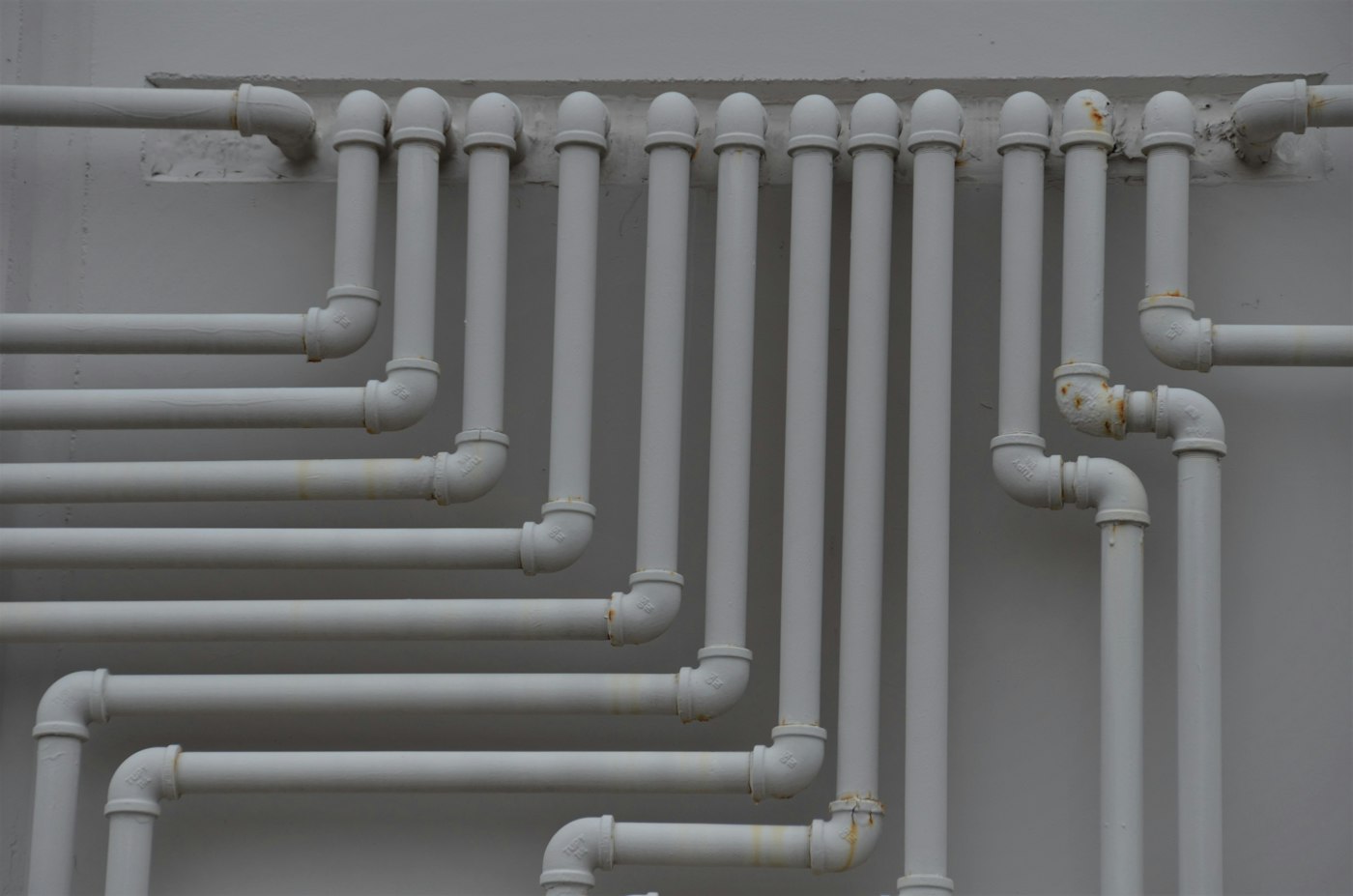
A house that runs smoothly for a family of four can feel very different when summer guests arrive. Three showers in a row, a load of beach towels in the washer and a dishwasher running after dinner can drain a water heater faster than it can recover. Before hosting season, or before adding a guest bath, it is worth understanding how much hot water your system can actually deliver and what can be done if it falls short.
How a Tank Water Heater Keeps Up
A storage tank heats and holds a set volume of water. As hot water is drawn off, cold water enters at the bottom, and the burner or elements work to reheat it. Tank size alone does not tell the whole story. A more useful number is the first-hour rating, shown on the yellow EnergyGuide label, which estimates how many gallons of hot water the heater can supply in an hour of heavy use starting with a full tank. Gas models generally recover faster than standard electric models of the same size.
Heat pump water heaters, which move heat from the surrounding air into the water, are very efficient but can recover more slowly in their most efficient mode. Many offer a hybrid setting that brings in backup elements when demand is high, which helps on a busy weekend.
Tankless Units and Flow Rate
A tankless, or on-demand, water heater heats water as it passes through, so it never runs out the way a tank does. Its limit is flow. Each unit can raise the temperature of only so many gallons per minute by a given amount, and with cold incoming water or several fixtures open at once, it may not keep every tap equally hot. Sizing depends on how many showers and appliances might run at the same time and how cold your water supply gets. Gas tankless units need proper venting and often a larger gas line, and electric models may need substantial electrical capacity, so a professional should evaluate the house before you switch.
The Long Wait at the Far Bathroom
A guest bath at the end of the house often has a different problem: plenty of hot water, but a long wait for it to arrive while cool water runs down the drain. Recirculation systems address this.
- Dedicated return-line systems use a separate pipe to circulate hot water back to the heater, a common choice in new construction or major remodels.
- Retrofit systems use a pump and a valve under the farthest sink, sending cooled water back through the cold line.
- Timers, push buttons and motion sensors run the pump only when hot water is likely to be needed, which saves energy compared with running it constantly.
Insulating accessible hot water pipes also shortens the wait and keeps water warmer between uses.
Simple Steps Before Guests Arrive
Have the water heater checked if it is older or making unusual noises, and ask about flushing sediment from a tank. Spread out laundry and dishwasher loads during busy mornings. Water-saving showerheads stretch the supply, since less hot water flows each minute. If you are planning a new guest bath, bring hot water capacity into the conversation early, because the best time to add a recirculation line or upgrade a heater is while walls are open. A licensed plumber can recommend the right fit for your home.
Estimating How Much Hot Water Your Household Uses
Sizing a water heater starts with a realistic picture of your busiest hour. You do not need exact figures to make a useful estimate, and a simple exercise can tell you whether your current system is likely to keep up.
- Pick your peak hour. For most households it is a weekday morning or the hour before bed. For hosting season it may be the late afternoon after everyone comes back from the pool or the lake.
- List what runs during that hour. Count the showers, any baths, the dishwasher, the washing machine on a warm or hot cycle and sinks used for shaving or washing up.
- Note what runs at the same time. For a tank, the total over the hour matters most. For a tankless unit, what matters is how many fixtures are open simultaneously.
- Compare with your heater. Look up the first-hour rating on the label of a tank heater, or the flow rate at your expected temperature rise for a tankless unit, and see how your peak hour compares.
A plumber can do this more precisely, but walking through it yourself makes the conversation more productive and helps you explain where the system is falling short.
Common Hot Water Problems and What They Often Mean
- Hot water runs out faster than it used to. On a tank heater, sediment buildup, a failing element in an electric model or a broken dip tube can reduce usable capacity. A thermostat set too low can also be the cause.
- Water temperature swings during a shower. On a tankless unit, this can happen when another fixture opens and the flow exceeds what the unit can heat. Some fixtures also run below the minimum flow needed to keep a tankless heater firing.
- Rumbling or popping noises. Often a sign of sediment in the bottom of a tank, which reduces efficiency.
- Rusty or discolored hot water. Can point to corrosion inside the tank or a depleted anode rod and is worth having checked promptly.
- Water around the base of the tank. Could be a loose fitting, a relief valve discharge or a failing tank. Have it looked at right away.
Questions to Ask Before Upgrading
- Do we have a capacity problem or a delivery problem? Running out is about capacity; waiting at a far bathroom is about distance.
- Will a larger tank fit in the existing space, including required clearances and access for service?
- If we go tankless, can our gas line, venting or electrical service support it without major changes?
- Is a heat pump water heater a good fit for where the heater is located, given that it needs a certain amount of surrounding air space and cools the room it sits in?
- What maintenance will the new system need, such as descaling a tankless unit in hard-water areas or cleaning a heat pump filter?
Questions We Hear Often
Can I just turn up the thermostat to get more hot water?
A higher setting stretches the supply because you mix in more cold water, but it raises the risk of scalding. Many households use a setting around 120 degrees Fahrenheit, and anti-scald valves or a mixing valve add protection if a higher temperature is needed.
Can two water heaters work together?
Yes. Some large homes use two tanks, or a separate heater for a distant wing, so each part of the house gets hot water quickly and capacity is shared.
Does a recirculation pump cost a lot to run?
Running continuously, it can waste energy. With a timer, button or sensor, its operating time drops considerably.