
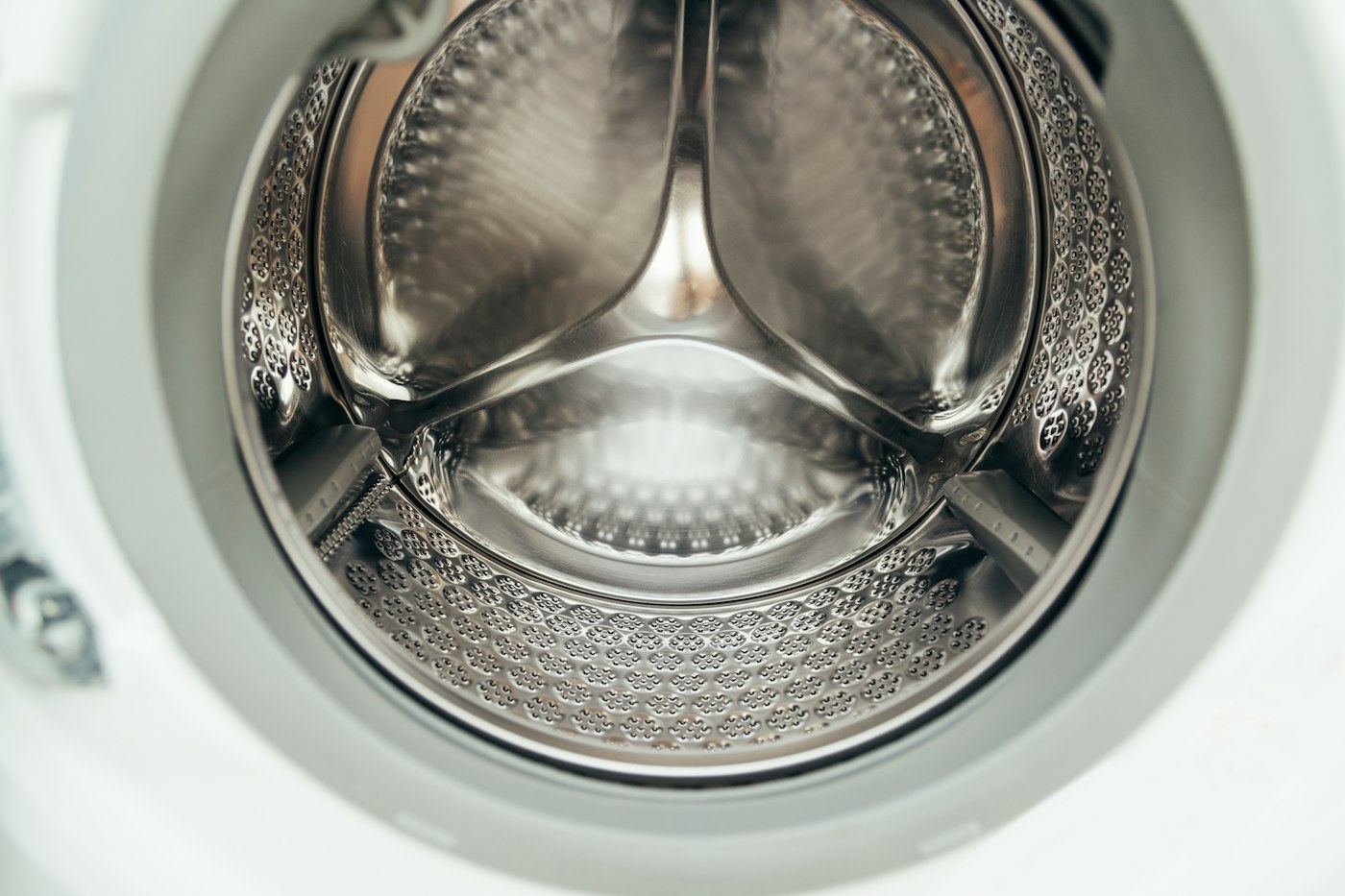
For decades, the location of a dryer was dictated by its vent. A conventional dryer pushes hot, humid air through a duct to the outdoors, and that duct needs a reasonable path to an exterior wall or roof. Ventless dryers remove that constraint, which can make it possible to put laundry in an interior closet, a condominium or an upstairs hallway where a vent would be difficult. For families reworking the laundry before the school year, they are worth understanding. They work differently from vented dryers, though, and they come with their own trade-offs.
How Condenser Dryers Work
A condenser dryer heats air and tumbles it through the clothes like a conventional dryer. Instead of venting that moist air outside, it passes the air through a heat exchanger, where the moisture condenses into water. The water collects in a removable container or drains through a hose, and the dried air is reheated and sent back through the drum. Condenser dryers release some heat into the room, which can make a small laundry closet warmer, and they need either a drain connection or regular emptying.
How Heat Pump Dryers Work
A heat pump dryer uses a refrigeration cycle, similar in principle to an air conditioner, to warm the drying air and then cool it so the moisture condenses out. Because it recycles heat rather than venting it, a heat pump dryer uses considerably less energy than a conventional electric dryer, and it dries at lower temperatures, which is gentler on fabrics. ENERGY STAR certifies many heat pump models, and energystar.gov is a useful place to compare them. Electrical requirements vary by model, so check them before you buy.
All-in-One Washer-Dryers
Combination machines wash and dry in the same drum, so one appliance takes the space of one. They are popular in small homes and apartments. They typically dry smaller loads than their washing capacity suggests, and a full wash-and-dry cycle takes longer than using separate machines. Some newer models use heat pump technology to improve efficiency and drying performance.
What to Expect From a Ventless Dryer
- Longer cycles: drying usually takes longer than with a vented dryer, especially with heat pump models.
- Filter maintenance: lint filters, and on some models a second filter or the condenser itself, need regular cleaning to keep performance up.
- Drainage: plan for a drain connection or the habit of emptying a container.
- Clothes feel different: loads may come out cooler and feel slightly damp at first even when they are dry.
- Room conditions: very small, enclosed closets may need ventilation or louvered doors, so follow the manufacturer’s installation instructions.
Is One Right for Your Remodel?
If a vent would require a long, winding duct or an opening in a wall that cannot take one, a ventless dryer can make a laundry location practical that otherwise would not be. It can also simplify a laundry move upstairs or into a closet near the bedrooms. Check the installation requirements for clearances, electrical service and drainage before finalizing the space. If you want help planning a new laundry location, reach out through our contact page.
Comparing Your Options Side by Side
Each type of ventless machine fits a different household. Here is how we help homeowners think it through.
- A condenser dryer suits households that want a separate dryer without a vent and that do moderate amounts of laundry. It is generally simpler than a heat pump model but uses more energy and adds more heat to the room.
- A heat pump dryer suits households that want efficiency and gentler drying and do not mind somewhat longer cycles. It is often the best ventless choice for families who do laundry several times a week.
- An all-in-one washer-dryer suits small households, apartments, vacation homes or a second laundry location where space is very tight. It is less suited to large families who do many loads in a day.
Planning a Ventless Laundry Space
- Check the electrical requirements. Some ventless dryers use a standard household outlet, while others need a dedicated higher-voltage circuit. Confirm the requirement before finalizing the location.
- Plan the drain. A drain connection removes the chore of emptying a water container. If the washer is next to the dryer, the dryer drain hose can often share the washer’s standpipe or drain box, following the manufacturer’s instructions.
- Allow for air around the machine. Ventless dryers still exchange heat with the surrounding air. Follow the required clearances and, for closets, consider louvered doors or a vent grille.
- Protect the floor. As with any laundry above finished space, add a drain pan, a leak sensor or water-resistant flooring.
- Think about humidity. A small, closed room with a washer running can still get humid. An exhaust fan or good air circulation helps keep the space dry.
- Leave access for cleaning. Make sure filters, the condenser and any water container can be reached easily without moving the machine.
Mistakes to Avoid
- Overloading the drum. Ventless dryers, and especially combination machines, work best with moderate loads. Overfilling lengthens drying time and can leave clothes damp.
- Skipping filter cleaning. A clogged filter or condenser is the most common cause of slow drying. Clean the lint filter after every load and follow the schedule for other filters.
- Judging dryness by temperature. Clothes from a heat pump dryer come out cooler than from a vented dryer. Let them sit a minute before deciding they need more time.
- Ignoring room temperature limits. Some heat pump dryers perform poorly in very cold rooms, such as an unheated garage. Check the manufacturer’s operating range.
- Assuming any closet will do. Very tight enclosures can trap heat and hurt performance. Follow the installation guide closely.
Questions Homeowners Ask
Do ventless dryers cause mold or humidity problems?
Properly installed and maintained, they remove most of the moisture as water rather than releasing it into the room. Some heat and a little humidity can escape, so ventilation in small spaces is still wise.
Can I stack a ventless dryer on a washer?
Many compact models are designed to stack with a matching washer using a stacking kit. Check the manufacturer’s compatibility list.
Will a ventless dryer work for bulky items like comforters?
Capacity varies. Some models handle comforters well, while compact ones may struggle. Check capacity before buying if bulky items are a regular need.


