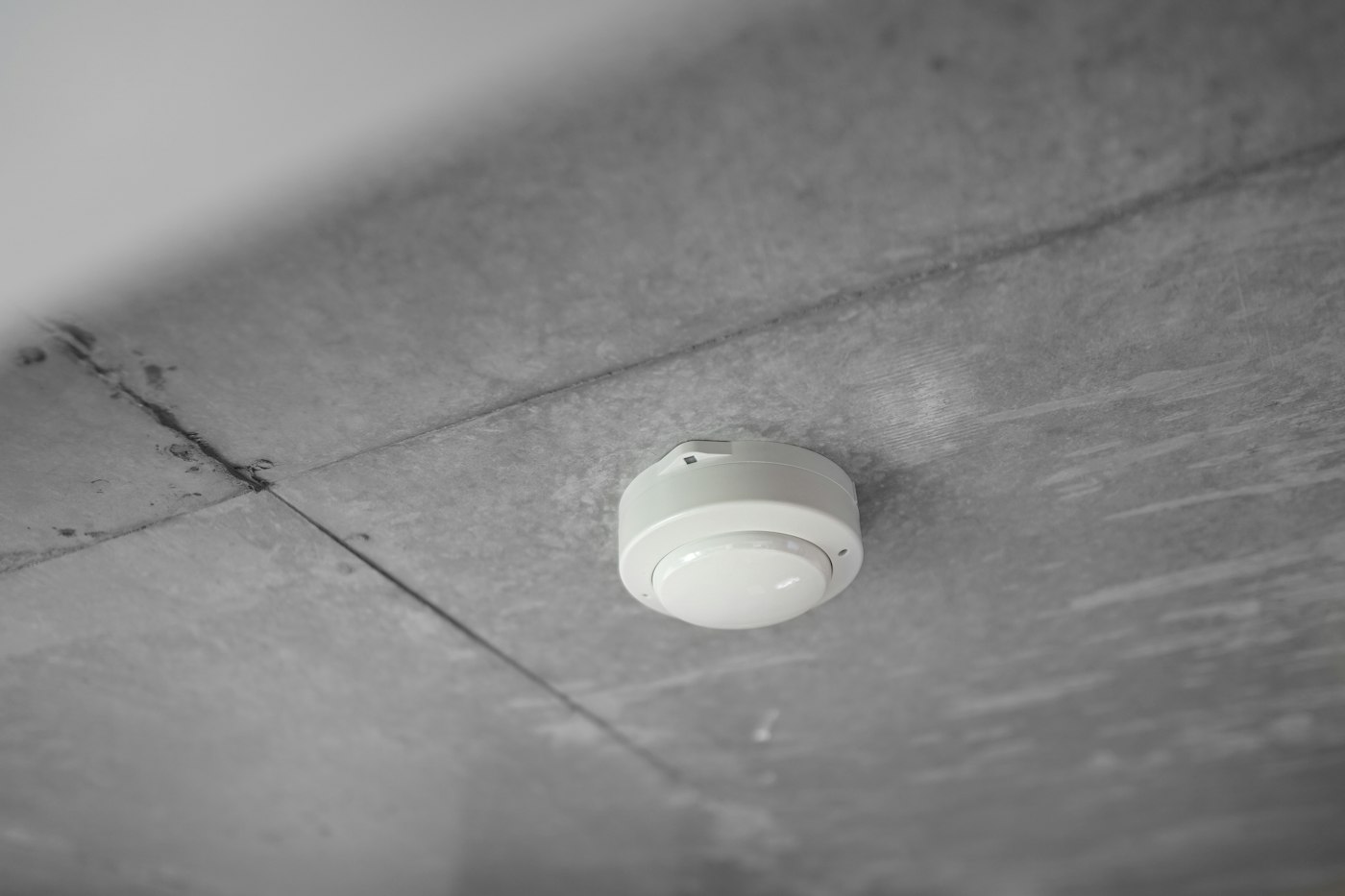
Press test on every unit. Replace batteries. Check manufacture dates; units over ten years old should be replaced. Smoke alarms and carbon monoxide detectors are the cheapest life-safety equipment in your home, and they only work if they’re working. It’s easy to assume they’re fine because they’re quiet, but a dead battery, a unit past its service life or a detector in the wrong place can leave your family unprotected. This guide walks through a complete check, explains where alarms belong and covers the mistakes that most often leave homes at risk.
Why These Alarms Matter
Smoke alarms give you early warning of a fire, which can buy precious time to get out, especially at night when everyone is asleep. Carbon monoxide, or CO, is a gas you can’t see, smell or taste. It can be produced by fuel-burning appliances such as gas furnaces, water heaters, ranges, dryers and fireplaces, as well as by vehicles running in an attached garage or generators used too close to the house. A CO detector is the only practical way to know it’s present.
Local codes and fire officials set specific requirements for alarms, so check with your local fire department or building department for the rules where you live. This guide offers general safety information.
The Monthly-Style Check
Press test on every unit
Every alarm has a test button. Pressing it confirms that the alarm’s battery, electronics and horn are working. Go room by room and test each one, including those in basements, hallways and garages if applicable. Have someone stand in other parts of the house, especially bedrooms with doors closed, to make sure the alarm can be heard. If an alarm doesn’t sound, or sounds weak, replace the battery and test again. If it still fails, replace the unit.
Many fire safety organizations recommend testing alarms monthly. Pick an easy reminder, such as the first day of each month.
Replace batteries
Battery types vary:
- Replaceable-battery alarms need fresh batteries regularly, and right away whenever they chirp. Many households replace them at a set time each year so it isn’t forgotten.
- Hardwired alarms are connected to your home’s electrical system but usually have a backup battery that also needs replacing.
- Sealed long-life battery alarms are designed to last their entire service life without battery changes. When the battery runs low, the whole unit is replaced.
A chirp every so often almost always means a low battery. Don’t just remove the battery to stop the noise; replace it promptly.
Check manufacture dates
Smoke alarm sensors lose sensitivity over time. Units over ten years old should be replaced. The manufacture date is printed on the back of the alarm. Take each one down, check the date and write it on a list. If there’s no date, or the date has worn off, replace the unit.
CO detectors also have a limited service life, which varies by model. Many newer CO alarms will sound an end-of-life signal. Check the manufacturer’s information for your unit and replace it on schedule.
Where Alarms Belong
General guidance from fire safety organizations calls for smoke alarms:
- Inside each bedroom
- Outside each sleeping area, such as in the hallway near bedrooms
- On every level of the home, including the basement
CO detectors are generally recommended outside each sleeping area and on every level of the home, and near any attached garage entry. Follow the manufacturer’s placement instructions for each unit.
Placement tips
- Mount smoke alarms on the ceiling or high on walls, following the manufacturer’s directions, since smoke rises.
- Keep smoke alarms a reasonable distance from the kitchen to reduce nuisance alarms from cooking, and away from bathrooms where steam can trigger them.
- Avoid placing alarms near windows, doors or vents where drafts can keep smoke from reaching them.
- Don’t paint over alarms or cover them with decorations.
Interconnected Alarms and Upkeep
Interconnected alarms are linked, either by wiring or wirelessly, so that when one sounds, they all sound. If a fire starts in the basement, the alarm in your bedroom will go off too. This can make a significant difference in how quickly everyone in the house is alerted. Many newer homes have hardwired interconnected alarms, and wireless interconnected options are available for existing homes.
Keeping alarms clean
Dust and cobwebs can interfere with sensors. Gently vacuum the outside of each alarm with a soft brush attachment when you test it, or follow the manufacturer’s cleaning directions.
Common Mistakes
- Removing batteries to stop nuisance alarms. If cooking triggers an alarm repeatedly, it may be in the wrong spot. Relocating it, or choosing a unit designed to reduce nuisance alarms, is safer.
- Assuming hardwired means no maintenance. Backup batteries and service life still apply.
- Keeping alarms forever. Old units may not respond the way they should.
- Not having CO detectors. Any home with fuel-burning appliances or an attached garage should have them.
- No escape plan. Alarms give warning; a practiced plan helps everyone get out.
If an Alarm Goes Off
If a smoke alarm sounds, get everyone out and call 911 from outside. If a CO alarm sounds, get everyone, including pets, into fresh air immediately and call 911 or your fire department. Don’t go back inside until emergency responders say it’s safe. If anyone has symptoms such as headache, dizziness or nausea, seek medical attention right away.
Make a home escape plan
- Know two ways out of every room when possible.
- Choose an outdoor meeting spot.
- Make sure windows used for escape open easily.
- Practice the plan with everyone in the household.
What to Do This Week
- Press test on every smoke alarm and CO detector.
- Replace batteries where needed.
- Check manufacture dates and replace units over ten years old.
- Confirm alarms are in every bedroom, outside sleeping areas and on every level.
- Set a monthly reminder to test.
Need hardwired or interconnected alarms installed, or help reaching high ceilings? AX Home Pro handles repairs, improvements and maintenance for homeowners. Request an estimate to get started.