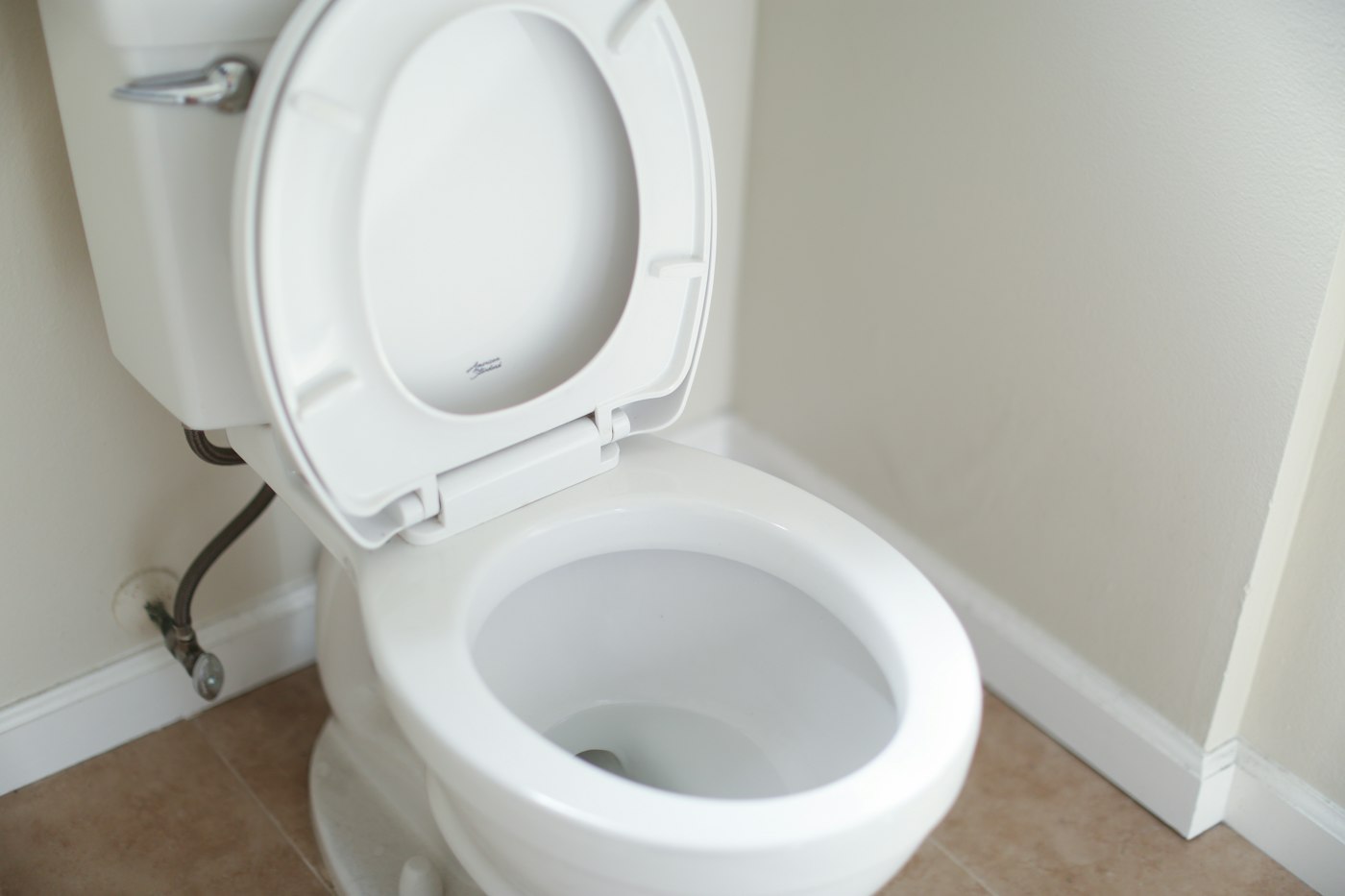
A toilet that runs constantly almost always comes down to one of two parts: a worn flapper or a misadjusted fill valve. Both are inexpensive parts. A running toilet is more than an annoying sound in the night. It can waste a large amount of water, quietly raising your water bill day after day. The fix is usually simple, and you can often figure out which part is at fault in a few minutes just by lifting the tank lid and watching. Here’s how a toilet tank works, how to diagnose the problem and how to fix it.
How a Toilet Tank Works
Understanding the basic parts makes troubleshooting much easier. Lift the tank lid and set it somewhere safe, since it’s heavy and breakable. Inside, you’ll see:
- The flush handle and chain, which lift the flapper when you flush.
- The flapper, a rubber seal at the bottom of the tank that covers the flush valve opening. When it lifts, water rushes into the bowl. When it drops, it seals the tank so it can refill.
- The overflow tube, a vertical tube in the middle of the tank that sends water into the bowl if the tank overfills, preventing it from spilling onto the floor.
- The fill valve, usually on the left side, which lets water into the tank after a flush and shuts off when the water reaches the right level. It’s controlled by a float, either a float cup that slides on the valve or a float ball on an arm in older toilets.
- The refill tube, a small tube that runs from the fill valve to the overflow tube to refill the bowl.
Diagnosing the Problem
Watch the tank after a flush and check the water level.
Is water flowing into the overflow tube?
If the water level in the tank is so high that it’s spilling into the top of the overflow tube, the fill valve is the problem. The water level should normally sit about an inch below the top of the overflow tube, or at the line marked inside the tank.
Is the toilet refilling on its own?
If the tank water is below the overflow tube but the toilet periodically refills on its own, sometimes called ghost flushing, water is leaking from the tank into the bowl. That usually points to a worn flapper.
The dye test
To confirm a flapper leak, put a few drops of food coloring in the tank and don’t flush. Wait a while. If color appears in the bowl, water is leaking past the flapper.
Fixing a Worn Flapper
Flappers are made of rubber, and over time they warp, stiffen or degrade, especially with chlorinated water and in-tank cleaning tablets. Mineral buildup on the flush valve seat can also keep the flapper from sealing.
First, check the chain
A chain that’s too short holds the flapper slightly open. A chain that’s too long can get caught under the flapper. There should be a little slack when the flapper is closed. Adjust the clip on the handle arm if needed.
Replace the flapper
- Turn off the water at the shutoff valve behind the toilet.
- Flush to empty the tank.
- Remove the old flapper by unhooking it from the pegs on the sides of the overflow tube or sliding it off, and unclipping the chain.
- Clean the flush valve seat with a soft scrubber to remove buildup. Don’t use anything that could scratch it.
- Install the new flapper, attach the chain with a little slack and turn the water back on.
- Test with a few flushes and repeat the dye test.
Flappers come in different sizes, commonly matching the size of the flush valve opening, and some toilets use proprietary parts. Bring the old flapper to the store or check the toilet’s brand and model.
Fixing a Misadjusted Fill Valve
If water is running into the overflow tube, the fill valve isn’t shutting off at the right level.
Adjust the float
- Float cup style: Many fill valves have an adjustment screw or clip. Turning or sliding it lowers the float so the valve shuts off sooner.
- Float ball style: Older toilets may have a float ball on a metal or plastic arm. An adjustment screw on top of the valve, or carefully bending a metal arm downward, lowers the shutoff point.
Adjust in small steps, flush and check the water level each time. Aim for the water line marked in the tank, or about an inch below the top of the overflow tube.
Clean or replace the fill valve
If the valve doesn’t shut off even after adjustment, debris or a worn seal may be keeping it open. Some fill valves have a cap that can be removed to flush debris or replace a seal. Often, replacing the whole fill valve is the most reliable fix. Fill valve replacement kits are widely available and fit most standard toilets.
Other Causes of Running
- A refill tube pushed too far into the overflow tube can siphon water out of the tank. It should be clipped above the water line.
- A sticking handle can hold the flapper open. Check that the handle returns freely.
- A cracked overflow tube lets water drain continuously. This usually means replacing the flush valve, which is a bigger job.
Common mistakes
- Using in-tank chemical tablets that can degrade rubber parts
- Buying the wrong size flapper
- Overtightening plastic fittings, which can crack them
- Ignoring a running toilet because it’s “just a little water”
What to Do This Week
- Lift the lid on every toilet and check the water level against the overflow tube.
- Do a dye test to check for flapper leaks.
- Adjust the chain and fill valve float as needed.
- Replace a worn flapper or a faulty fill valve.
- Check that the shutoff valve behind each toilet turns freely.
If your toilet still runs after these fixes, leaks at the base or the shutoff valve won’t budge, we can take care of it. AX Home Pro handles repairs, improvements and maintenance for homeowners. Request an estimate to get started.