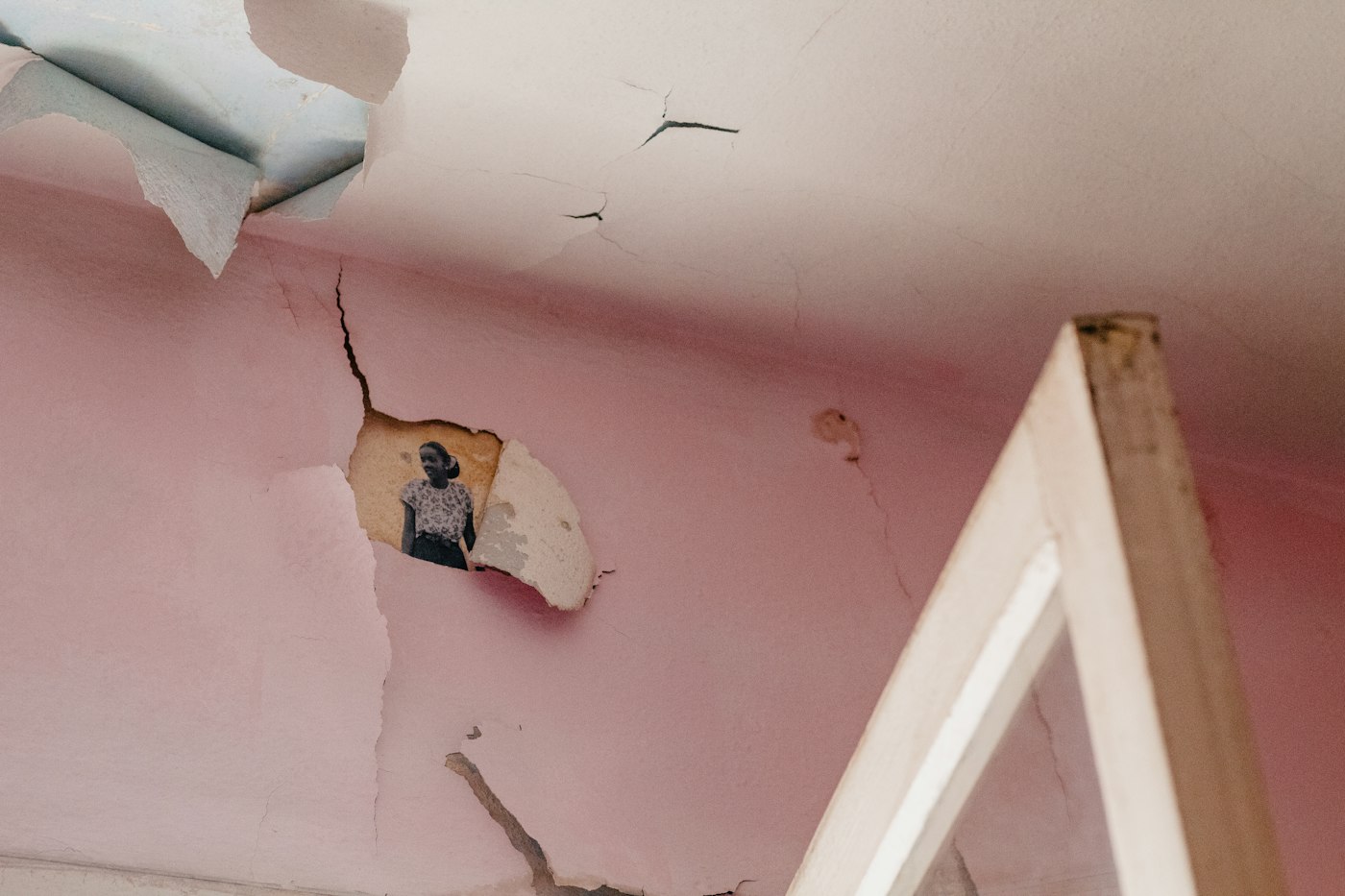
Location tells the story: a stain under a bathroom means plumbing; a stain near exterior walls may mean roof or flashing. A ceiling stain is your house telling you water has been somewhere it shouldn’t be. Sometimes it’s an old, resolved issue. Often, it’s an active leak that will keep doing damage until it’s found and fixed. Painting over the stain without finding the cause is one of the most common, and costly, home repair mistakes. Here’s how to read a ceiling stain, track down the source and repair the damage the right way.
Reading the Stain
Water stains on ceilings usually appear as yellowish, brown or rust-colored rings or blotches. A few clues help you understand what’s happening:
- Is it growing? Mark the edge of the stain lightly with a pencil and the date. If it spreads past the mark, the leak is active.
- Is it damp? Press gently with a gloved hand. Damp or soft drywall means water is present now.
- Does it change with weather? If it appears or darkens after rain, the source is likely the roof, flashing, gutters or exterior walls.
- Does it change with water use? If it worsens after showers, baths, flushing or running a washer, the source is likely plumbing.
- Is the drywall sagging? Sagging means water is pooling above the ceiling and can be a safety risk.
If the ceiling is bulging or sagging with water, keep people away from the area, put a bucket underneath and turn off water to the fixture above if plumbing is the likely cause. Call for help promptly.
Location Tells the Story
Stains under a bathroom
Under a bathroom means plumbing. Common culprits include:
- A failing toilet wax ring, which lets water seep out at the base during flushing
- Leaking supply lines or shutoff valves to the toilet or sink
- Drain leaks from the sink, tub or shower
- Failed caulk or grout around the tub or shower, letting water get behind tile or around the drain
- A leaking shower valve or shower pan
- Overflowing tubs or splashing onto the floor that seeps through gaps
Stains below kitchens, laundry rooms and other areas with plumbing, such as under a dishwasher, refrigerator ice maker line or washing machine, point the same way.
Stains near exterior walls
Near exterior walls may mean roof or flashing. Water that enters from outside often shows up at the edges of a room, near the walls, rather than in the middle. Possible sources include:
- Damaged, missing or lifted shingles
- Failed flashing around chimneys, skylights, vents, dormers or where roofs meet walls
- Clogged gutters that overflow and push water back under the roof edge
- Ice dams in cold climates, which trap meltwater on the roof
- Leaks around windows above that let water travel down inside the wall
Other stain locations
- Near light fixtures or vents below an attic: possibly roof leaks, condensation from poorly insulated ducts or a bathroom fan venting into the attic.
- Near an AC air handler in the attic: possibly a clogged condensate line or overflowing drain pan.
- Under a chimney: flashing, crown or chimney cap issues.
- Top-floor ceilings in winter: sometimes condensation from warm, moist air leaking into a cold attic.
Keep in mind that water travels. It can run along rafters, joists or pipes before dripping, so the stain may be some distance from the actual leak.
Tracking Down the Source
- Check the space above. If there’s an attic above the stain, look for wet insulation, water marks on the roof deck or framing, or daylight through the roof. Use a flashlight and step only on joists.
- Test the plumbing above. Run water in each fixture one at a time, flush the toilet and fill and drain the tub, checking for changes in the stain.
- Look at the roof from the ground. Binoculars help you spot missing shingles or damaged flashing without climbing.
- Check gutters above the area.
- Check the water meter. With all water off in the house, a moving meter suggests a hidden leak in the supply plumbing.
Roof work is dangerous, and finding hidden leaks can require opening the ceiling or other investigation. Professional help is often the safest, fastest route.
Repairing the Ceiling the Right Way
- Fix the leak first. Repairing the ceiling before the source is fixed means doing it again.
- Let it dry completely. Wet drywall and insulation hold moisture. Fans and dehumidifiers help.
- Assess the damage. Drywall that’s soft, crumbling, sagging or shows mold should be cut out and replaced. Wet insulation above may need replacing too.
- Repair the drywall. Install new drywall, tape and finish the seams, and match any ceiling texture.
- Prime with a stain-blocking primer. Water stains bleed right through ordinary paint. A stain-blocking primer seals them.
- Paint. Ceilings often look best painted wall to wall rather than spot-touched, because ceiling paint ages and patches show.
Common mistakes
- Painting over the stain without finding the cause
- Using regular paint instead of stain-blocking primer
- Leaving wet insulation in place
- Ignoring a sagging ceiling
- Assuming the leak is directly above the stain
If you see mold or have health concerns, consider professional cleanup and talk with your doctor about any symptoms.
What to Do This Week
- Note the location of every ceiling stain and what’s above it.
- Mark the edges with a pencil and date, and check for growth.
- Test plumbing fixtures above, and watch the stain after the next rain.
- Check gutters and look at the roof from the ground.
- Fix the source, then dry, repair, prime and paint.
From finding the source to repairing drywall and refinishing the ceiling, we can help. AX Home Pro handles repairs, improvements and maintenance for homeowners. Request an estimate to get started.