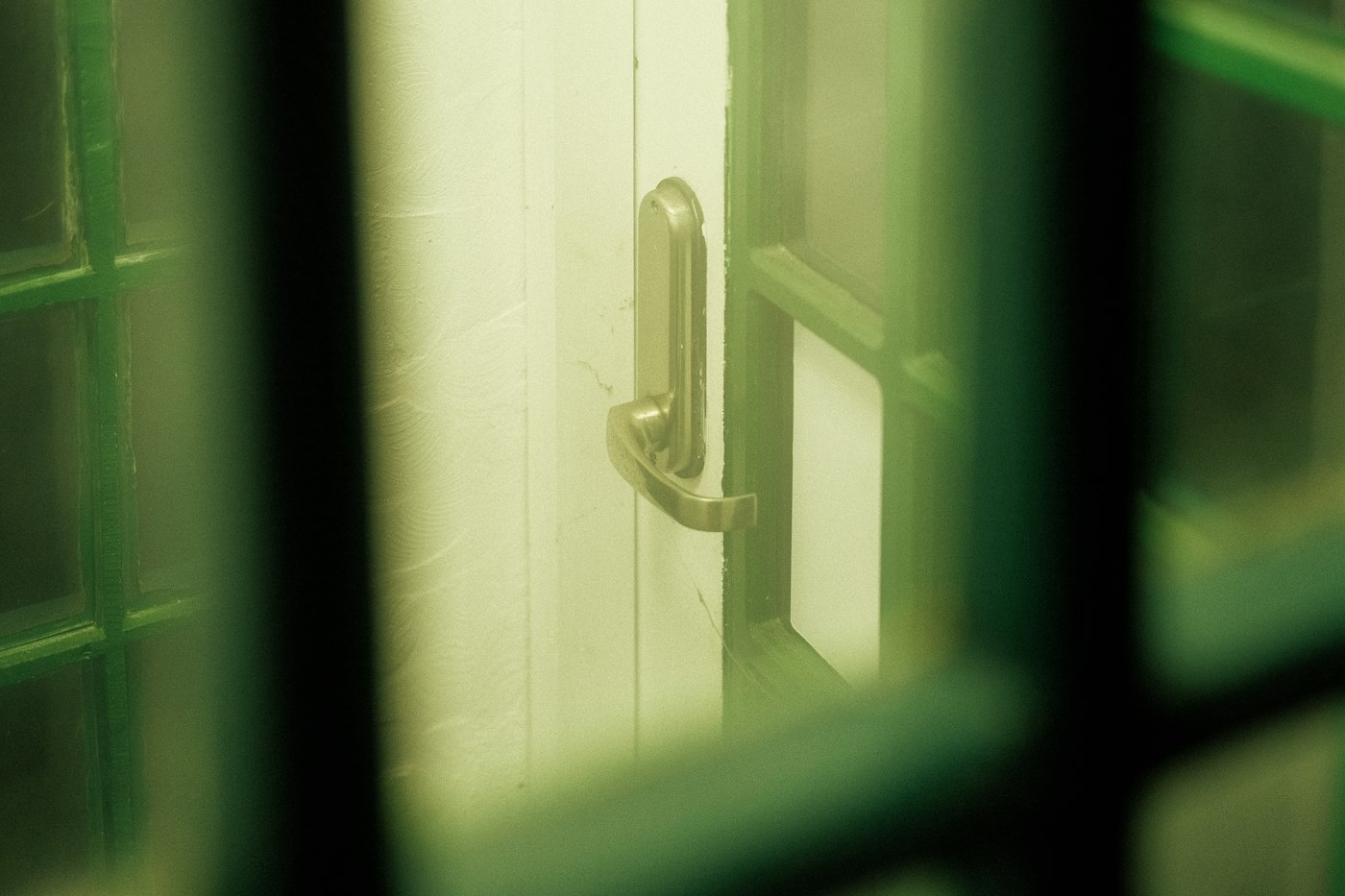
Some home updates change a room. Others change how the whole house feels, quietly, every time you walk through it. Interior door hardware is one of the second kind. Knobs, levers, hinges and stops are small, but you touch them dozens of times a day, and in many homes they are a mismatched collection of styles and finishes from different decades. Consistent finishes throughout make an older home feel updated, and the project is far simpler than a remodel.
Why Door Hardware Matters More Than You Think
Walk down the hallway of a typical older home and you might see brass knobs on the bedrooms, a chrome privacy set on the bathroom, a newer nickel lever on the laundry room and painted-over hinges everywhere. Each piece works, but together they read as dated and pieced together. Updating to one consistent look:
- Ties rooms together visually, especially in hallways where several doors are visible at once
- Makes painted doors and trim look fresh and finished
- Improves the feel of everyday use, with smoother latches and solid operation
- Can improve accessibility by switching from knobs to levers
- Helps a home show well if you are preparing to sell
Choosing a Style and Finish
Knobs or levers
Knobs suit traditional and older homes and are less likely to catch on clothing or bags. Levers are easier to operate with a full hand, an elbow or by someone with limited grip strength, which makes them a practical choice for many households. Some homeowners use levers throughout for ease of use; others mix styles by function, but keeping the finish consistent is what creates the updated look.
Finishes
- Satin nickel and brushed nickel. Versatile, soft-toned and good at hiding fingerprints.
- Matte black. A bold, modern look that pairs well with white or light doors.
- Oil-rubbed bronze. Warm and traditional, suited to wood tones and classic interiors.
- Brushed brass or satin brass. A warmer metal that has made a strong return in updated designs.
- Polished chrome. Bright and clean, often used to match bathroom fixtures.
Look at the other metals in your home, such as light fixtures, cabinet pulls and plumbing fixtures. Your door hardware does not have to match every one of them exactly, but it should feel like it belongs.
Know the Functions You Need
Interior door hardware comes in a few basic functions:
- Passage. Latches but does not lock. Used for hallways, closets and most common rooms.
- Privacy. Locks from the inside with a push button or turn, with an emergency release on the outside. Used for bathrooms and bedrooms.
- Dummy. A fixed knob or lever with no latch, used on closet doors and double doors held by ball catches or roller catches.
- Keyed entry. Locks with a key. Occasionally used for home offices or storage rooms.
Walk through the house and list every door, its function and which way it swings. That list becomes your shopping list.
Measuring for a Smooth Swap
Most modern interior doors use standard dimensions, which makes replacement straightforward. Before buying, check:
- Backset. The distance from the edge of the door to the center of the knob hole. Many sets adjust between common sizes.
- Bore hole size. The diameter of the hole through the face of the door.
- Door thickness. Most hardware fits common interior door thicknesses, but older or custom doors may differ.
- Latch faceplate shape. Square-corner, round-corner or drive-in latches must match the mortise in the door edge.
Older homes can be tricky. Antique doors may have mortise locks or unusual bores that need adapter plates, filling and redrilling, or specialty hardware.
Do Not Forget Hinges and Stops
New knobs next to tarnished or paint-covered hinges look unfinished. For the full effect, consider replacing:
- Hinges in the matching finish, sized to the existing mortises
- Door stops, whether baseboard-mounted or hinge-pin style
- Strike plates that come with the new latch sets
- Closet hardware, including bifold knobs and sliding door pulls
Replacing hinges is also a good time to fix doors that sag or rub. Longer screws through the top hinge into the framing can pull a sagging door back into alignment.
The Installation Process
- Remove the old knob or lever, usually by loosening screws on the interior side or releasing a detent with a small tool.
- Remove the old latch and strike plate.
- Check that the new latch fits the edge bore and faceplate mortise; adjust if needed.
- Install the new latch with the angled side facing the direction the door closes.
- Install the knobs or levers, making sure the spindle engages the latch.
- Install the new strike plate and test that the door latches smoothly without slamming.
- Swap hinges one at a time so the door stays hung.
Common mistakes
- Buying hardware door by door over months and ending up with slightly different finishes
- Forgetting to check door swing and handing for levers that are not reversible
- Installing the latch backwards so the door will not latch
- Overtightening screws and stripping soft wood or cracking hardware
- Leaving old painted hinges in place next to new knobs
What to Do This Week
- Walk the house and count every interior door, noting function and swing.
- Choose one finish that fits your home’s other metals.
- Decide between knobs and levers.
- Check backset, bore size and door thickness on a few doors.
- Plan to include hinges and stops for a finished look.
It is a small project with a big payoff. Consistent finishes throughout make an older home feel updated. AX Home Pro handles repairs, improvements and maintenance for homeowners. Request an estimate to get started.