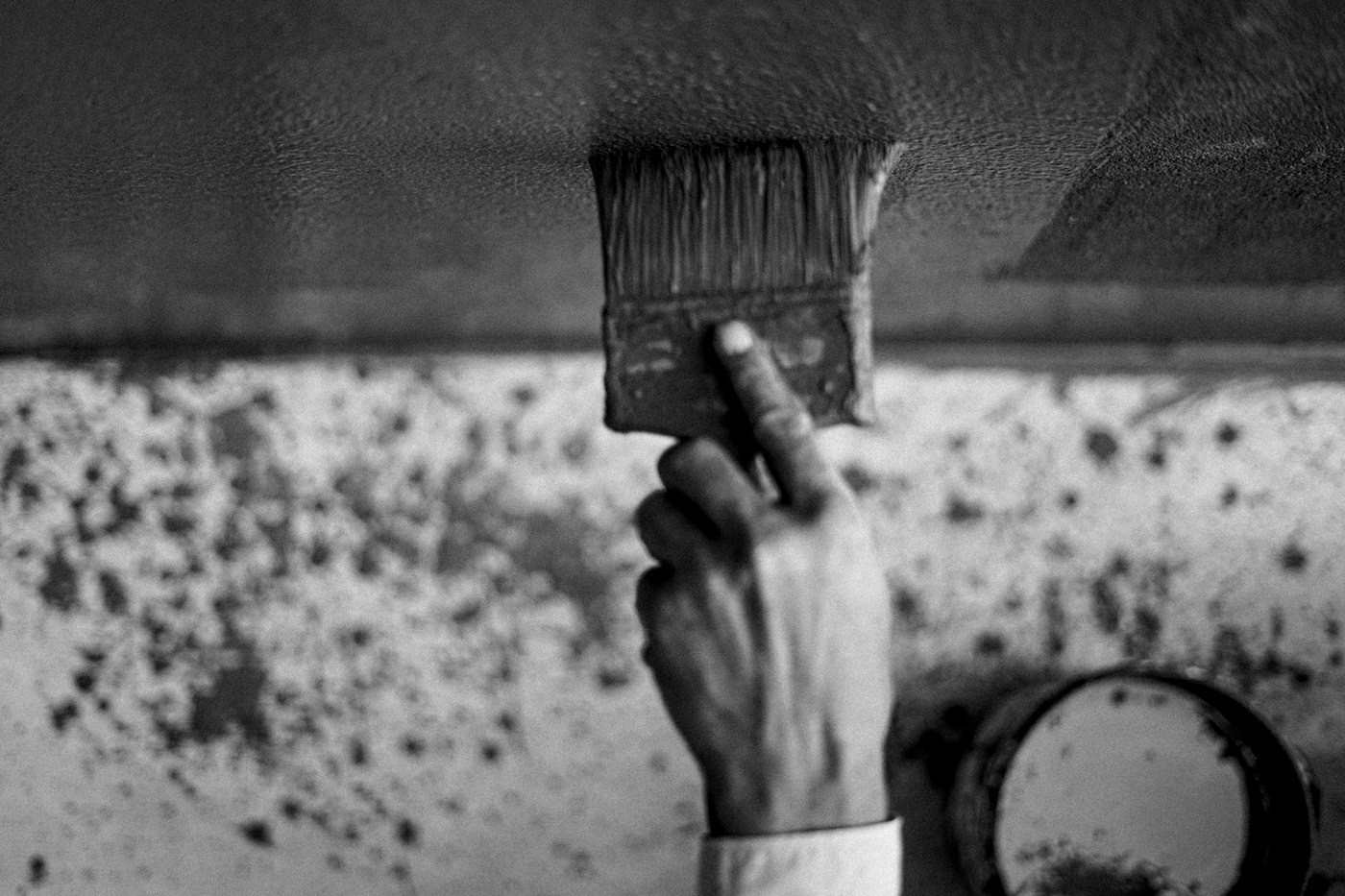
Paint does more than make your house look good. It is a protective layer that keeps water out of wood siding, trim, window sills and doors. When paint peels, cracks or blisters, that protection is gone, and the wood underneath starts to absorb moisture. That is why fall painting matters: touch up peeling areas before winter moisture gets behind the paint. A few targeted touch-ups now can prevent rot and costly repairs later.
Why Fall Is a Good Time for Touch-Ups
Early fall often brings ideal painting weather: moderate temperatures, lower humidity and fewer extreme hot days. Paint applied in direct, scorching summer sun can dry too fast and fail to bond well, while paint applied in cold, damp weather may not cure properly. The window between those extremes is the sweet spot.
The bigger reason, though, is timing. Winter brings rain, snow, ice and repeated freeze-thaw cycles. Water that gets into bare wood or under loose paint can freeze, expand and push the paint off even faster. Wet wood also invites rot and insects. Sealing up those weak spots before winter keeps the damage from spreading.
Where to Look for Peeling Paint
Paint fails first where it takes the most weather. Walk around the house and check:
- South- and west-facing walls, which get the most sun
- Window sills and the bottoms of window trim, where water sits
- Bottoms of door frames and door casings
- Fascia boards and soffits, especially below gutters that overflow
- Porch railings, columns and steps
- Corner boards and the lowest courses of siding near the ground
- Areas near sprinklers, downspouts and roof runoff
As you go, press gently on suspicious wood with a screwdriver. If it is soft or spongy, you have rot that needs repair before painting.
How to Do a Lasting Touch-Up
A touch-up that lasts follows the same steps as a full paint job, just on a smaller area.
- Scrape. Remove all loose, flaking and peeling paint with a scraper. If paint comes off easily, keep going until you reach paint that is firmly bonded.
- Sand. Feather the edges of the remaining paint so the transition is smooth and the touch-up does not leave a visible ridge.
- Repair. Fill cracks, holes and gaps with exterior filler. Replace or repair rotted wood. Small areas of rot can sometimes be treated with epoxy wood repair; larger areas need replacement.
- Clean. Wash away dirt, chalky residue and mildew so the new paint can bond. Let the surface dry completely.
- Caulk. Seal gaps between trim and siding and around windows and doors with a paintable exterior caulk.
- Prime. Spot-prime any bare wood and repaired areas with a quality exterior primer. Primer seals the wood and helps the topcoat stick.
- Paint. Apply exterior paint in thin, even coats. Two coats generally hold up better than one.
Weather Rules for Exterior Painting
- Check the paint label for minimum temperatures, and remember that overnight lows matter as well as the daytime high.
- Avoid painting when rain is expected before the paint has had time to dry.
- Start after morning dew has dried, and stop early enough that evening dew does not settle on wet paint.
- Follow the shade around the house rather than painting in direct, hot sun.
- Let the surface dry completely after washing before you prime or paint.
As fall moves on, good painting days get fewer. If you have touch-ups on your list, sooner is better.
Tools and materials checklist
- A stiff scraper and a carbide scraper for stubborn areas
- Medium and fine sandpaper or a sanding block
- Exterior wood filler and, where needed, epoxy wood repair
- Paintable exterior caulk and a caulk gun
- Exterior primer suited to bare wood
- Exterior paint in the correct color and sheen
- Quality brushes sized for trim and siding, drop cloths and a stable ladder
Matching your existing paint
Touch-ups look best when they blend in. If you have leftover paint from the original job, check that it is still usable. If not, take a paint chip from a protected area to a paint store for color matching. Keep in mind that existing paint fades over time, so even a perfect match to the original color may look slightly different. Painting a full section, such as an entire board, a whole window casing or a complete side of a column, often blends better than dabbing a small spot.
When Touch-Ups Are Not Enough
Sometimes the problem is bigger than a touch-up. Consider a larger repaint or professional assessment if:
- Paint is peeling across large areas of a wall
- Paint is failing down to bare wood in many spots
- Peeling keeps returning in the same spots, which may point to moisture coming from inside the wall
- You find widespread soft or rotted wood
- Your home was built before 1978. Older homes may have lead-based paint, which requires lead-safe work practices when scraping or sanding.
Common Mistakes
- Painting over loose or peeling paint without scraping
- Skipping primer on bare wood
- Painting over rotted wood instead of repairing it
- Painting in direct, hot sun or on damp surfaces
- Using interior caulk or filler outdoors
- Waiting until late fall when weather windows are short
What to Do This Week
- Walk the exterior and mark peeling, cracking and blistering areas.
- Probe sills, trim and door frames for soft wood.
- Gather scrapers, sandpaper, exterior caulk, primer and matching paint.
- Watch the forecast for a stretch of dry, moderate weather.
- Touch up peeling areas before winter moisture gets behind the paint.
AX Home Pro handles repairs, improvements and maintenance for homeowners. Request an estimate to get started.