Pets make a house a home, and they also put it through a workout. Claws scratch floors and doors, tails sweep low shelves, noses smudge glass and a determined chewer can make short work of trim. The good news is that you do not have to choose between a nice home and a happy pet. Durable finishes and protective plates handle pet wear, and a few smart choices during routine repairs can save you from redoing the same damage every year. Here is how we think about pet-proofing when we work on a home.
Where Pets Do the Most Damage
Before choosing materials, it helps to know where wear concentrates. In most homes with dogs and cats, the hot spots are predictable:
- Doors and door frames, especially the exterior door a dog waits by and interior doors that get scratched when closed.
- Floors in hallways, entries and anywhere pets run, turn or skid.
- Baseboards and trim, which take scuffs, chewing and the occasional accident.
- Lower walls along routes pets travel and where they lie down.
- Screens and storm doors that get pawed or pushed through.
- Yard-facing areas like gates, fences and decks.
Walk your home and note where you already see wear. That map tells you where an upgrade will pay off fastest.
Protective Plates and Guards
Protective plates are one of the simplest, most effective pet-proofing tools. They take the punishment so the door or wall behind them does not.
Kick plates and door guards
A metal or rigid plastic kick plate on the lower portion of a door absorbs scratching from a dog asking to go out. Clear acrylic guards offer the same protection with a less visible look. They mount with screws or adhesive and can be replaced if they get scratched up.
Door frame and corner guards
Outside corners of walls and door casings get rubbed and chewed. Corner guards in clear plastic, metal or painted wood protect them and can be installed without a major renovation.
Screen protection
Heavy-duty pet-resistant screen fabric holds up to claws far better than standard screen. A protective grille on the lower half of a screen door is another option for enthusiastic greeters.
Durable Finishes That Stand Up to Pets
Paint
Flat paint looks nice but scrubs poorly. In pet areas, a scrubbable eggshell, satin or semi-gloss finish lets you wipe off nose prints and muddy smudges without wearing through the color. Semi-gloss on trim and doors is especially forgiving.
Flooring
Floors take the most wear. When it is time to replace or refinish, consider:
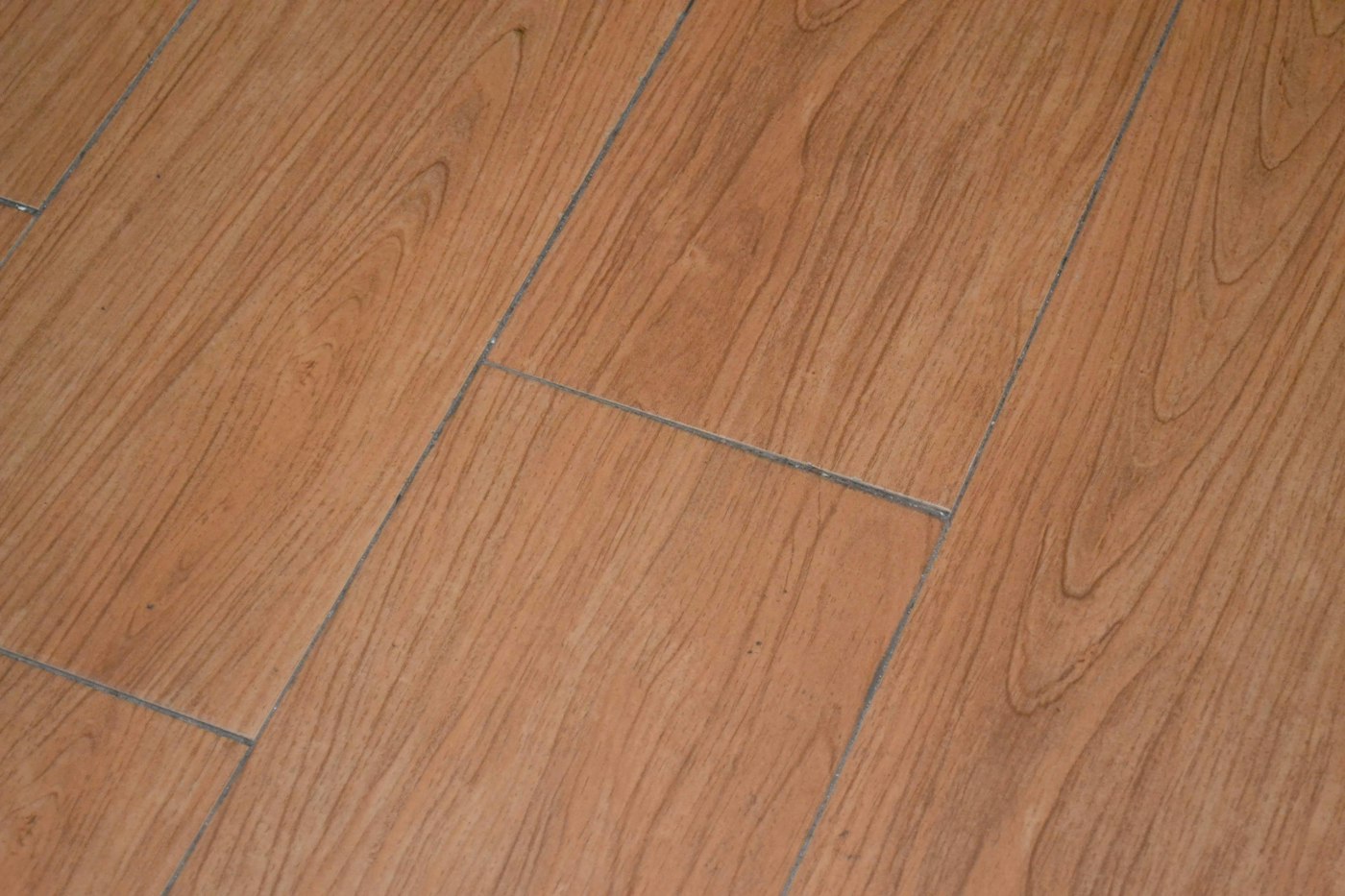
- Luxury vinyl plank or tile, which resists scratches and moisture and is often a practical choice in pet households.
- Porcelain or ceramic tile, very hard-wearing, easy to clean and good for feeding areas, mudrooms and entries.
- Harder wood species and tougher finishes if you prefer real wood. Softer woods show claw marks quickly; a durable finish and a lower-sheen look hide wear better than high gloss.
Whatever you choose, area rugs and runners in the heaviest lanes reduce wear and give pets better traction.
Trim and baseboards
If a pet has chewed or scratched baseboards, replacing damaged sections with a durable material and a tough painted finish restores the look. In accident-prone spots, sealing the joint between baseboard and floor helps keep liquids from soaking underneath.
Pet-Friendly Repairs and Upgrades
- Pet doors. A properly installed pet door can end the scratching at the back door entirely. Installation should keep the door weather-tight and secure.
- Gates and fencing. Repairing loose fence boards, gaps under gates and weak latches keeps pets safely contained.
- Washing stations. A handheld sprayer, a utility sink or a tiled corner in a mudroom or laundry room makes bath time easier on you and the house.
- Built-in feeding nooks. A dedicated spot with wipeable surfaces keeps bowls out of traffic.
- Secure screens and windows. Make sure screens are firmly seated, especially for cats that like to perch.
Planning Pet-Proofing Into Routine Repairs
The most economical time to pet-proof is when you are already fixing something. If a door needs new hardware, add a kick plate at the same visit. If a room is being painted, switch to a scrubbable finish. If baseboards are coming off for new flooring, choose tougher trim before it goes back on. Bundling these small upgrades into work you already planned keeps costs and disruption down, and it means the repair you just paid for lasts longer.
Safety Considerations
Pet-proofing is also about protecting the pet. During repairs and improvements, keep pets away from work areas, wet paint, adhesives and tools. Tuck or cover electrical cords in areas where pets chew. Store paints, cleaners and finishing products securely. If you have questions about whether a particular product is safe around your animals, check with your veterinarian.
Common Mistakes to Avoid
- Choosing flat paint for high-traffic pet areas.
- Installing soft flooring in the main pet path without rugs or runners.
- Repairing scratched doors without adding a plate, so the damage comes right back.
- Letting small chewed or scratched spots go until moisture gets in and the damage spreads.
Your Pet-Proofing Checklist
- Map the wear spots in your home: doors, floors, trim, corners and screens.
- Add kick plates or clear guards on doors your pets scratch.
- Repaint pet-area walls and trim in a scrubbable finish.
- Plan flooring upgrades for the highest-traffic lanes.
- Repair fences, gates and screens before small gaps become escape routes.
- Consider a pet door or washing station if they would solve daily problems.
A few targeted repairs can make your home far more pet-friendly and far easier to keep looking good. AX Home Pro handles repairs, improvements and maintenance for homeowners. Request an estimate to get started.