
If you live in North Georgia with a dog or two, you know the routine. It rains, the backyard turns to red clay, and within minutes there are orange paw prints from the back door to the couch. Add in claws, the occasional accident and a wet, muddy winter ahead, and flooring choices start to matter a lot. The right floor won’t make you love mud season, but it can make cleanup easier and help your investment last.
What Pets and Clay Do to Floors
Before comparing materials, it helps to understand what you’re up against. Pet claws scratch soft surfaces and wear down finishes in high-traffic paths. Red clay is fine and gritty, so tracked-in dirt acts like sandpaper underfoot, and its iron-rich color can stain light, porous materials. Water and accidents are another concern, since some floors swell or stain if liquid sits on them or works into seams. A good pet-friendly floor stands up to scratches, resists moisture and is easy to clean with simple tools.
Luxury Vinyl Plank and Tile
Luxury vinyl has become one of the most popular choices for busy households, and for good reason. Many products are highly water resistant, have a protective wear layer that helps with scratches, and come in realistic wood and stone looks. They’re also generally quieter and softer underfoot than tile, which pets and people both appreciate. Quality varies widely, so pay attention to wear layer thickness and the manufacturer’s guidance for subfloor preparation. Even water-resistant floors need a flat, dry subfloor, so if your home sits over a damp crawl space, address the moisture first.
Porcelain and Ceramic Tile
Tile is about as tough as flooring gets. It shrugs off claws, doesn’t mind water and wipes clean easily. Porcelain in particular is dense and very durable. The tradeoffs are that it can feel hard and cold, it can be slippery for older dogs when wet, and grout lines can hold clay stains. Choosing a textured or matte tile, a darker or warmer grout color and a good grout sealer can make a big difference. Tile is an excellent choice for entries, mudroom-style back doors, laundry rooms and bathrooms.
Hardwood and Engineered Wood
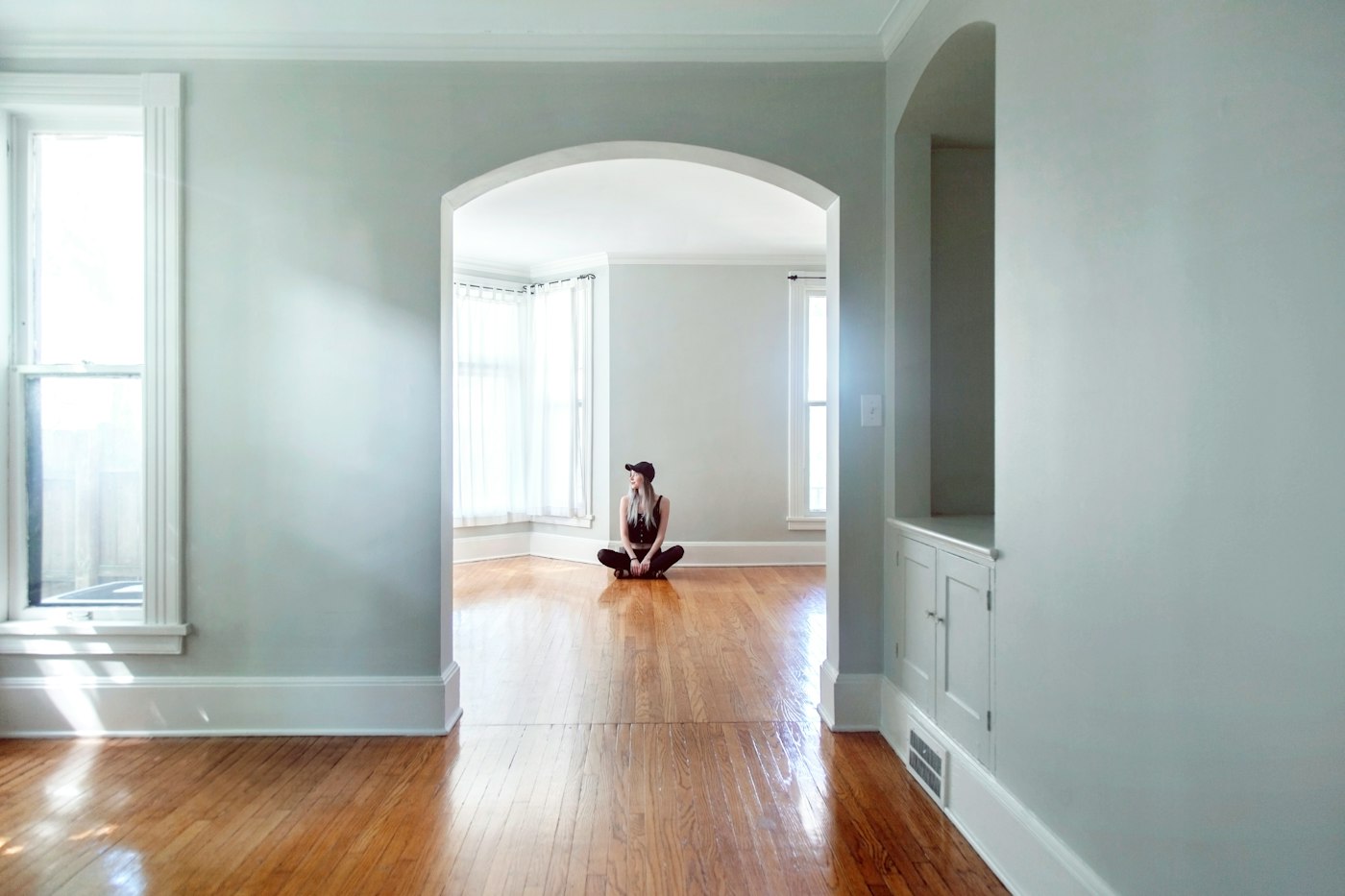
Many homeowners love the warmth of real wood, and it can work with pets with the right expectations. Harder species and wire-brushed or hand-scraped textures help hide minor scratches, while high-gloss finishes tend to show every mark. Engineered wood can offer better dimensional stability than solid boards, though standing water and pet accidents are still a risk for both. If you choose wood, plan on keeping nails trimmed, using rugs in high-traffic paths and wiping up spills quickly. The upside is that solid hardwood, and some engineered products, can be refinished down the road.
Laminate and Carpet Considerations
Modern laminate has a hard, scratch-resistant surface and can be a budget-friendly option, but its core can be vulnerable to swelling if water gets into the seams, so look for products specifically marketed for water resistance and follow installation instructions closely. Wall-to-wall carpet in main living areas is generally the toughest fit for pet households in clay country, since it traps dirt, odors and stains. Washable area rugs are often a better way to add softness.
Smart Choices That Help Any Floor
Whatever material you choose, a few decisions make life with pets much easier:
- Pick mid-tone colors with some variation, which hide dust, fur and clay better than very dark or very light floors
- Choose a matte or low-sheen finish rather than high gloss
- Create a dedicated drop zone at the most-used door with a durable floor, a washable mat and a towel for paws
- Use felt pads under furniture and keep claws trimmed
- Sweep or vacuum grit regularly before mopping, so you’re not grinding clay into the surface
Before you commit, bring home samples and test them. Walk on them with outdoor shoes, rub them with a little red clay and see how they clean up. Ask about manufacturer warranties on any product you’re considering, and read what they actually cover regarding pets and moisture.
The best floor for your home balances durability, comfort and style with how your family and pets really live. With the right choice, muddy season becomes a quick wipe instead of a weekend project.
Matching Flooring to Each Part of the House
Few homes need the same floor everywhere. Thinking room by room lets you put the toughest materials where the mud and water actually arrive, and warmer or softer materials where people and pets relax.
- Back door and mudroom. This is the front line for clay. Porcelain tile with a textured surface and a darker grout, or a high-quality luxury vinyl, handles wet paws and grit best. Add a large washable mat inside the door.
- Kitchen. Water bowls, spills and dropped food make water resistance a priority. Luxury vinyl and tile are common choices. If you prefer wood, place a washable mat under the water and food bowls.
- Living and family rooms. Comfort and appearance matter more here. Engineered wood, durable hardwood with a matte finish or luxury vinyl paired with washable area rugs all work well.
- Bedrooms. Traffic is lighter, and some households keep carpet in bedrooms where pets spend less time. If pets sleep in bedrooms, consider a hard floor with a washable rug instead.
- Laundry room. Tile or sheet vinyl handles water from washers and muddy pet towels. This is also a natural spot for a dog wash station.
- Stairs. Hard stair treads can be slippery for dogs. Secure stair runners or treads with a slip-resistant backing give paws better grip.
Testing Samples the Right Way
- Get large samples. Small chips do not show how a floor looks across a room or how it hides dirt. Ask for the largest samples available.
- Do the clay test. Rub a little damp red clay from your yard onto the sample, let it dry for an hour and clean it the way you would normally clean the floor. Note whether any color remains in the grain, texture or grout.
- Do the claw test. Drag a key or a coin lightly across the surface to see how easily it scratches and how visible the marks are from standing height.
- Do the water test. Leave a small puddle on the sample for several hours and look for swelling, staining or lifting, especially at the edges.
- Check traction. Wet the sample and test how slippery it feels. Older dogs in particular need surfaces they can grip.
Mistakes Pet Owners Make With New Floors
- Choosing very dark or very light colors. Dark floors show dust and fur; light floors show clay. Mid-tones with some variation are more forgiving.
- Using steam mops on every floor. Steam can damage some wood, laminate and vinyl products and may void warranties. Check the manufacturer’s cleaning guidance.
- Skipping the subfloor work. A floor installed over an uneven or damp subfloor is more likely to fail, no matter how durable the surface.
- Using rubber-backed rugs on vinyl. Some rug backings can discolor vinyl floors. Choose rugs labeled safe for your floor type.
Questions Homeowners Ask
What is the most scratch-resistant floor for big dogs?
Porcelain tile is generally the most scratch-resistant. Among wood-look options, luxury vinyl with a thick wear layer and laminate with a hard surface are strong choices.
How do I deal with pet accidents on hardwood?
Clean them up quickly with a cleaner suitable for your floor. Urine that sits can damage finish and wood. If accidents are frequent, ask your veterinarian whether there is a health reason behind them.
Are floors that are waterproof also stain-proof?
Not always. Water resistance refers to swelling and damage, while staining depends on the surface. Test with clay and common spills before you choose.


