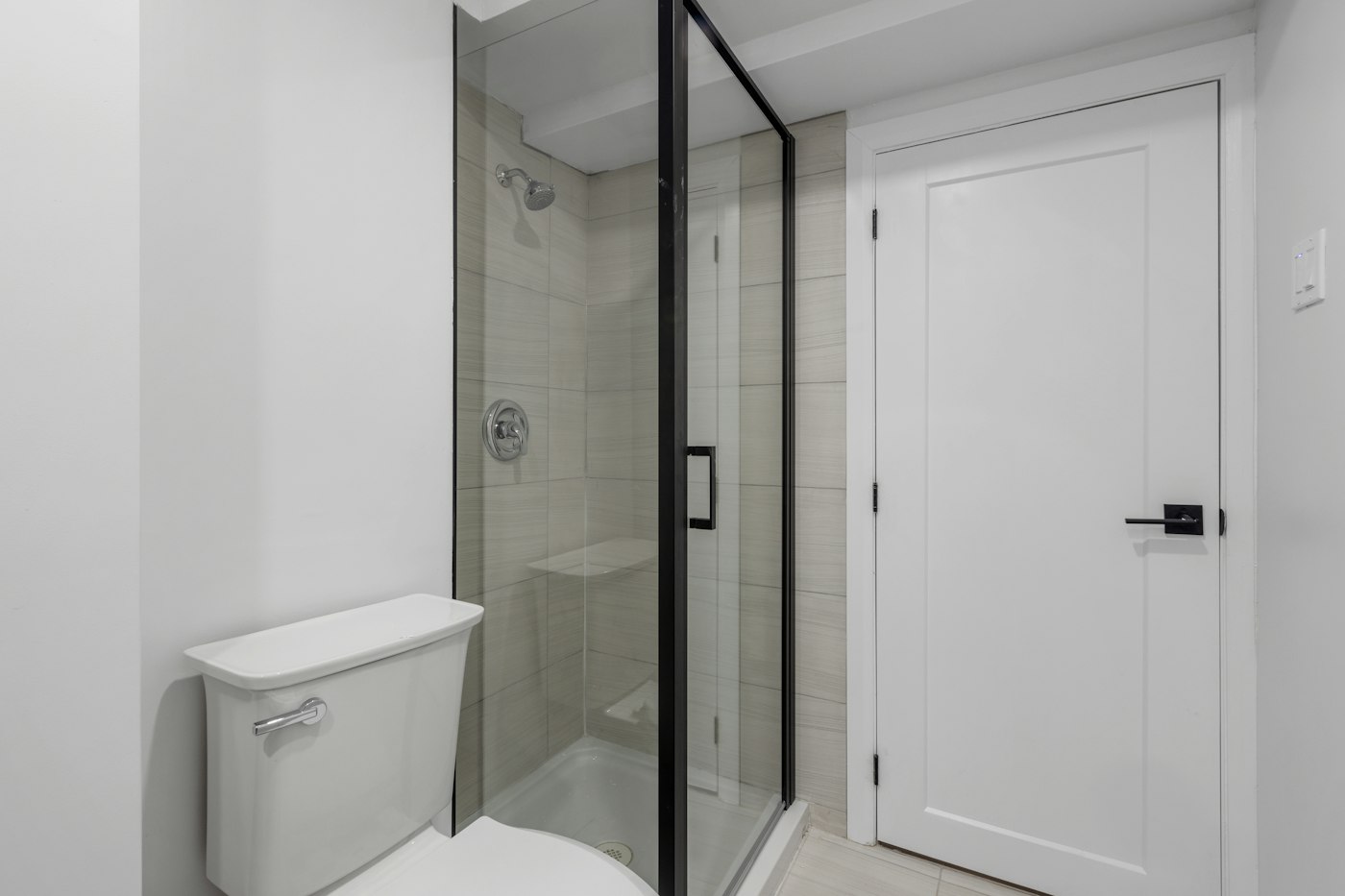
Bathrooms combine hard surfaces, water and a lot of standing up, sitting down and stepping over edges, which makes them one of the most common places in a home for slips and falls. One of the most effective safety upgrades is also one of the simplest: properly anchored grab bars in showers and near toilets. The words “properly anchored” carry a lot of weight. A grab bar is only useful if it holds when someone puts their full weight on it suddenly. Here is where grab bars belong, how they should be installed and how to make them look good, too.
Who Benefits From Grab Bars
Grab bars are often thought of as something for older adults, but they help nearly everyone:
- Anyone recovering from surgery or an injury.
- People with balance, strength or mobility challenges.
- Older adults planning to stay in their homes as they age.
- Pregnant women and parents bathing small children.
- Guests who are unfamiliar with your bathroom.
- Anyone stepping out of a slippery tub.
Installing them before they are urgently needed is easier, and it means they are already there on the day they are.
Where Grab Bars Belong
In the shower
- At the entry: A vertical bar at the shower or tub entry gives a handhold while stepping in and out.
- On the back or long wall: A horizontal bar helps with balance while standing and washing.
- Near controls and a seat: If a shower seat or bench is used, a bar within reach helps with sitting and rising.
Near the toilet
- A horizontal bar on the side wall next to the toilet helps with sitting and standing.
- Where there is no side wall, fold-down or floor-mounted supports are options.
In the tub
For tub-shower combinations, an angled or vertical bar at the entry plus a horizontal bar along the back wall covers most needs.
The best positions depend on the person using them, their height and how they move. Accessibility guidelines provide common reference heights and placements, and an occupational therapist can offer recommendations for specific needs.
What “Properly Anchored” Means
This is the part that matters most. A grab bar has to resist a sudden pull or push from someone who is falling, not just a gentle tug. Drywall and tile alone cannot hold that load.
Anchoring options
- Into wall studs: Screwing directly into wood framing is the traditional approach. The bar’s flanges have to line up with stud locations, which limits where bars can go.
- Into blocking: During remodels or when walls are open, solid wood blocking can be added between studs, allowing bars to be mounted exactly where they are needed now or later.
- Specialty grab bar anchors: Anchors designed and rated specifically for grab bars can secure bars to hollow walls where studs are not in the right place. These are different from ordinary drywall anchors, which should never be used for grab bars.
Installing through tile
Drilling tile requires the right bit and technique to avoid cracking. Each hole must be sealed so water does not get behind the tile, which could lead to rot and mold inside the wall. A grab bar that leaks can damage the very wall it is supposed to be anchored in.
Rated hardware
Use grab bars rated for the purpose, follow the manufacturer’s installation instructions and use the fasteners they specify. After installation, test the bar firmly before anyone relies on it.
Planning ahead during a remodel
If you are renovating a bathroom, even if no one needs grab bars today, ask for blocking to be installed in the shower walls and beside the toilet while the walls are open. It adds little to the project and means bars can be mounted securely, exactly where they are wanted, years from now without opening the wall again.
Grab Bars That Look Good
Modern grab bars do not have to look institutional. Options include:
- Finishes that match faucets and accessories, like brushed nickel, matte black or bronze.
- Textured grips for better hold with wet hands.
- Combination grab bars that double as towel bars, toilet paper holders or shower shelves, as long as they are rated as grab bars.
- Decorative designs that blend into a remodel.
One important caution: an ordinary towel bar is not a grab bar. Towel bars are not designed to support body weight and can pull out of the wall without warning.
Other Bathroom Safety Upgrades
- Non-slip surfaces: Textured tub mats, anti-slip treatments or slip-resistant tile.
- Better lighting: Bright overhead light and a night light for nighttime trips.
- Handheld showerheads: Easier bathing while seated.
- Shower seats or benches: Built-in or securely placed.
- Comfort-height toilets: Easier to sit and stand.
- Lever-style handles: Simpler to operate than knobs.
- Low-threshold or curbless showers: Fewer edges to step over, often part of a larger remodel.
Common Mistakes to Avoid
- Using drywall anchors or adhesive-mounted bars as grab bars.
- Relying on towel bars or soap dishes for support.
- Mounting bars where they look neat instead of where hands actually reach.
- Failing to seal drill holes in tile.
- Waiting until after a fall to install them.
To make it practical this week, stand in your shower and beside your toilet and note where you naturally reach for support. Check whether any existing bars are loose or are actually towel bars, consider who uses the bathroom now and in the years ahead, and choose bars and finishes that suit your space. Then have them anchored into studs, blocking or rated anchors, with every hole sealed. We install grab bars so they are solidly anchored, properly sealed and placed where they will help. AX Home Pro handles repairs, improvements and maintenance for homeowners. Request an estimate to get started.