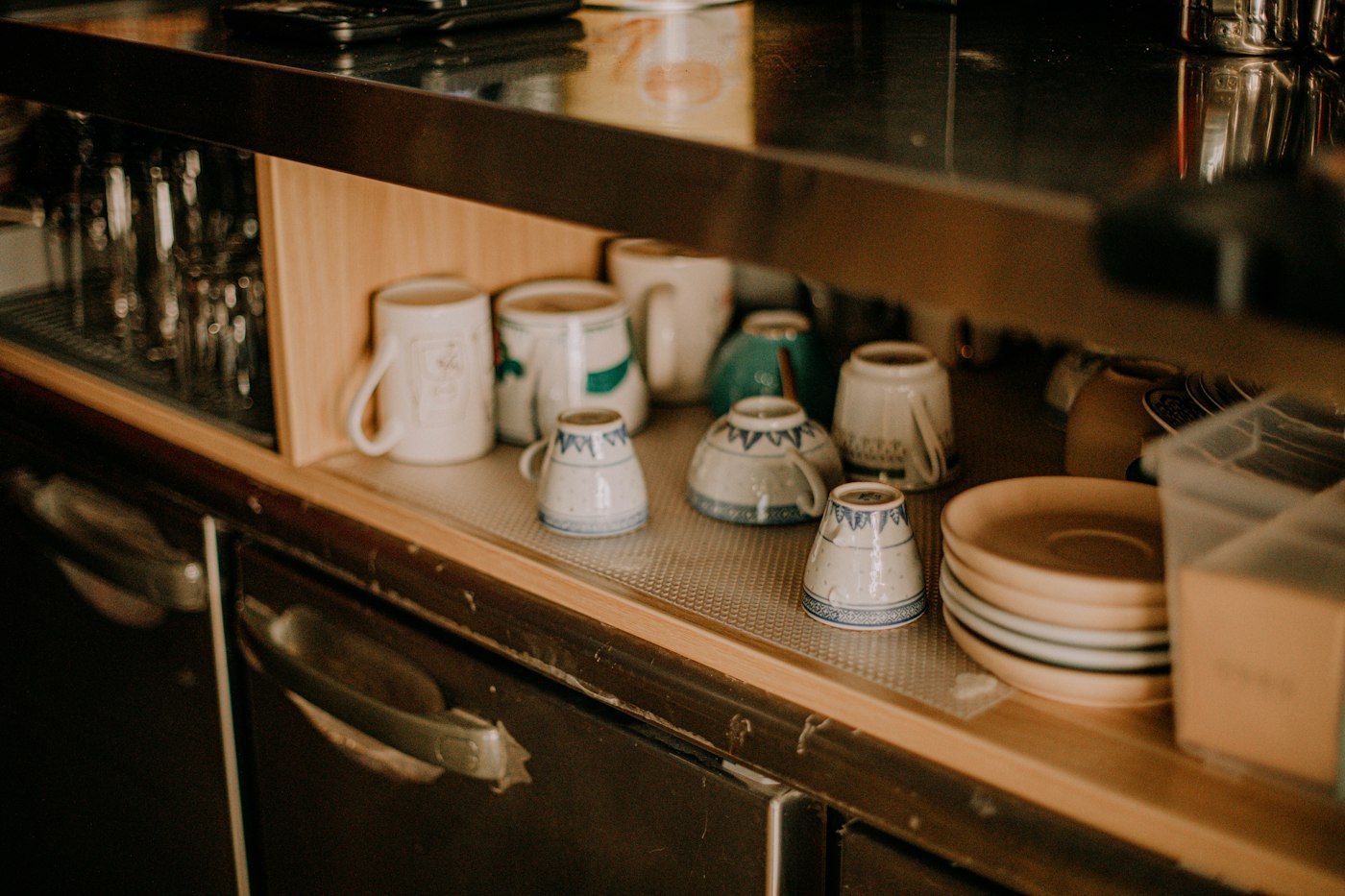
When guests gather, they drift toward the refrigerator, which usually sits right in the middle of the cook’s work area. A dedicated drink station solves that. Whether it is a morning coffee bar, a summer beverage center stocked with cold drinks or a full wet bar, giving drinks their own spot keeps traffic flowing and makes entertaining easier. It is also one of the most popular features to fold into a kitchen remodel.
Choosing the location
The best drink stations sit at the edge of the kitchen, where people can serve themselves without crossing the path between sink, cooktop and refrigerator. Good spots include:
- The end of an island that faces the dining or living area.
- A run of cabinets along a wall between the kitchen and family room.
- A butler’s pantry between the kitchen and dining room.
- A converted closet or niche with doors that close when it is not in use.
- A family room, basement or spot near the patio door for outdoor entertaining.
Appliances that fit the purpose
For cold drinks, an undercounter beverage refrigerator holds cans and bottles at serving temperature and frees space in the main refrigerator. Wine refrigerators keep bottles at steadier, cellar-like temperatures, and dual-zone models hold reds and whites at different settings. Units installed between cabinets must be designed for built-in use, typically with front ventilation.
An ice maker is a summer luxury many households love. Undercounter ice makers need a water supply, and many models also need a floor drain or a drain pump, so plan the plumbing accordingly. For coffee, a countertop machine with a nearby outlet is the simplest setup. Built-in and plumbed coffee systems need a water line and dedicated space in the cabinetry.
Plumbing and power
A small bar sink turns a drink station into a true wet bar, handy for rinsing glasses, filling pitchers and making coffee. It requires supply and drain lines, so a spot near existing plumbing keeps things simpler. Plan outlets at the counter for blenders, kettles and grinders, and consider an outlet inside an appliance garage so the coffee maker can stay plugged in behind a door.
Storage and surfaces
Design the storage around what you serve. Open shelves or glass-front cabinets display glassware and mugs. Drawers hold coffee supplies, bar tools and napkins. Dividers and pull-outs keep bottles upright. A countertop that resists coffee, wine and citrus, such as quartz, porcelain or sealed stone, stays looking fresh.
Lighting finishes the space. Under-cabinet lights make the counter easier to use, and a small accent light can turn a beverage center into a soft focal point in the evening.
Sizing it to your household
Not every home needs a full wet bar. A coffee station can fit in a single base cabinet with a shelf above. A summer drink center may be as simple as an undercounter refrigerator and a drawer of glassware at the end of the island. Think about how often you entertain, what people drink and whether the station needs to serve the patio as well as the kitchen. Then design the smallest station that does the job well, and it will earn its space every day.
Three Drink Stations, Planned From Start to Finish
Seeing how different households might lay out a drink station can help clarify what you need.
The morning coffee corner
One base cabinet near the breakfast table, with a drawer for pods, filters and spoons, and a cabinet below for beans and extra mugs. Above, a shelf or two for everyday cups, with an under-cabinet light. A receptacle at the back of the counter powers the coffee maker and grinder. If the household loves espresso, add a second outlet and plan for a water line, or a spot near the sink to fill a reservoir.
The summer drink center
An undercounter beverage refrigerator at the end of the island, facing away from the cooktop, with a drawer above for openers and napkins. Glassware stored in a nearby cabinet. Guests can grab a drink without walking into the cook’s work area, and the station is close to the door to the patio.
The full wet bar
A run of cabinetry with a bar sink, an ice maker, a wine or beverage refrigerator and glass-front uppers with lighting. Drawers for bar tools and linens, and a pull-out for bottles. This version is often placed between the kitchen and family room or in a butler’s pantry, where it can serve both spaces.
Planning Steps Before the Remodel
- List what you serve. Coffee, tea, sparkling water, juice boxes, wine or cocktails all need different storage and appliances.
- Measure what you store. Tall wine glasses, large mugs and oversized bottles may not fit standard shelves. Measure the tallest items you own.
- Choose appliances first. Their dimensions, ventilation and plumbing needs drive the cabinet design.
- Locate plumbing and power. Check how far the station is from existing water and drain lines, and how many outlets it needs.
- Plan the traffic. Make sure doors on refrigerators and dishwashers will not block a walkway when open.
- Think about children. If young children are in the house, consider locks or high placement for anything that should be out of reach.
Mistakes Worth Avoiding
- Using a freestanding mini refrigerator as a built-in. Units not designed for undercounter installation can overheat when enclosed by cabinets.
- Forgetting the ice maker drain. Many units need a gravity drain or pump. Planning this late often means extra work.
- Crowding the cook. A drink station placed in the middle of the work triangle defeats its purpose.
- Overbuilding. A full wet bar that gets used twice a year takes space that could serve daily life. Size the station to your real habits.
- Too few outlets. Coffee makers, kettles, grinders and blenders add up quickly.
Questions Homeowners Ask
Does a beverage refrigerator use much electricity?
Energy use varies by model and size. Check the manufacturer’s information and look for efficient models. Placing it away from the oven and direct sun also helps it run less.
Can a drink station go in a closet?
Often, yes. A converted closet with doors that close is a popular way to hide a coffee bar. Plan ventilation for any appliances inside and power for the machines.
Is a bar sink necessary?
Not always. A coffee station near the main sink may not need one. A sink is most valuable when the station is far from the kitchen sink or used for entertaining.