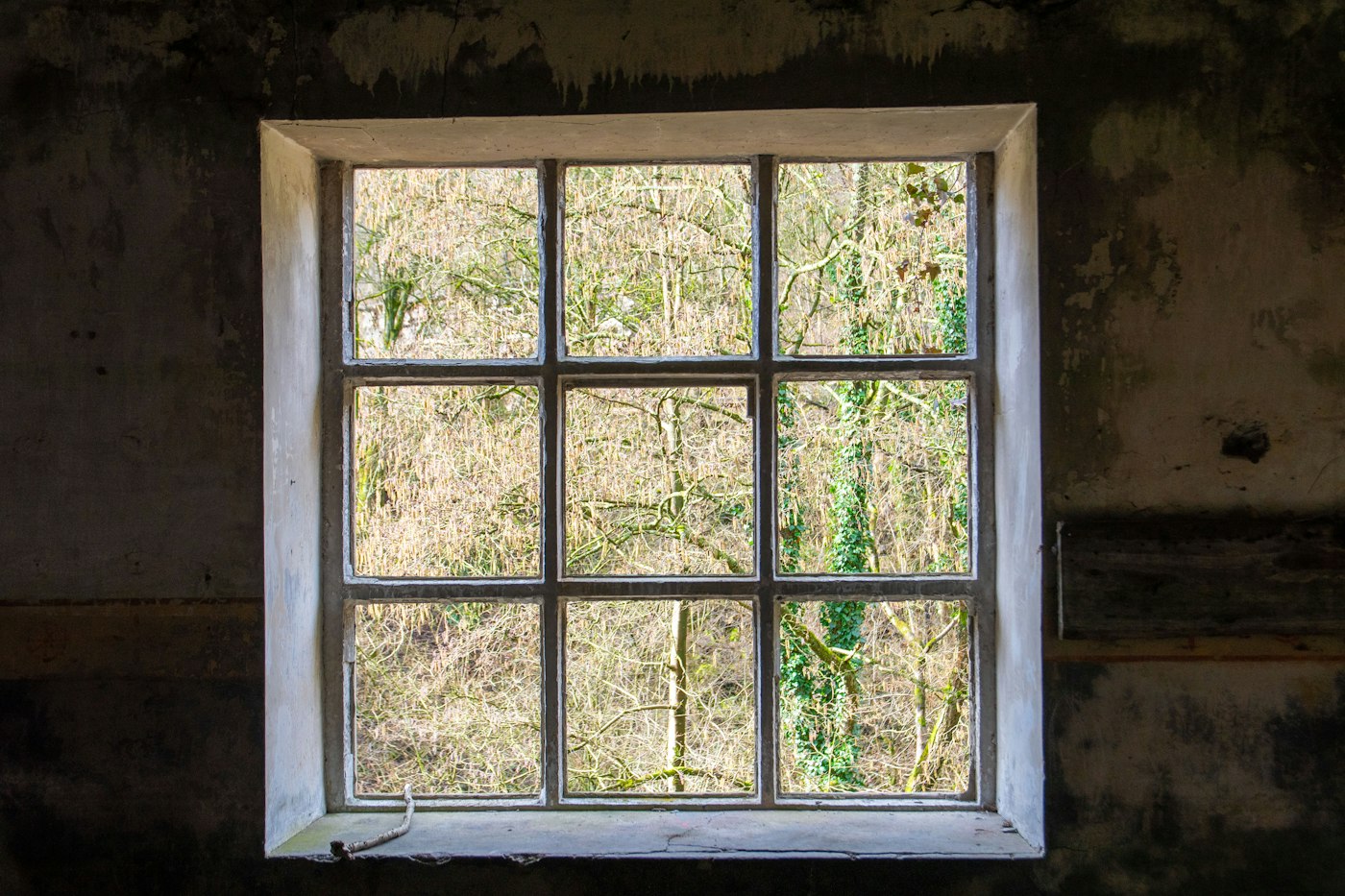
Choosing new windows involves more than picking a frame color. The way a window opens determines how much air it lets in, how tightly it seals, how easy it is to clean and how it looks from the street. Most homes mix several styles, and the best choices usually follow the job each room needs the window to do.
Double-hung and single-hung
The double-hung window is the classic American style: two sashes that slide vertically in the same frame. Opening the top sash lets warm air out while the bottom sash lets cooler air in, a simple form of ventilation that works well on mild days. Most modern double-hungs tilt inward for cleaning from inside, a real convenience on upper floors. A single-hung looks identical, but only the lower sash moves.
These styles suit traditional homes, bedrooms, living rooms and anywhere the look of a colonial or craftsman facade matters. Their trade-off is air sealing: sliding sashes rely on weatherstripping that can wear, so they are generally a bit less tight than hinged windows.
Casement
A casement is hinged on one side and swings outward with a crank. When open, the whole sash catches passing breezes and funnels them indoors, which makes casements the best ventilators of the common styles. When closed, the sash presses against the frame and locks tight, so they seal very well.
Casements are a natural fit over kitchen sinks, where reaching across a counter to crank is easier than lifting a sash, and in rooms that need the most airflow. Check that an open sash will not swing into a walkway, deck or screen door.
Awning and hopper
An awning window is hinged at the top and opens outward from the bottom, forming a small roof over the opening. That shape lets you leave it open during a light rain, which makes awnings popular in bathrooms, above fixed picture windows and in rows along a high wall. A hopper is the reverse, hinged at the bottom and tilting inward, and is most often seen in basements.
Sliders
Horizontal sliders move side to side like a small patio door. They are simple, affordable and easy to operate, and they suit wide, short openings where a double-hung would look squat. They share the double-hung’s reliance on weatherstripping, and only half the opening ventilates at once.
Picture, bay and bow
Picture windows do not open at all, which makes them the most energy-efficient and the least expensive per square foot of glass. They belong where the view matters more than the breeze, often flanked by operable windows. Bay windows project outward in three sections, while bow windows curve in four or more, and both add floor area, light and a sense of space to living rooms and dining rooms.
Thinking room by room
- Kitchen: casement over the sink, awning above a backsplash.
- Bathroom: awning or obscure-glass casement set high for privacy.
- Bedrooms: double-hung or casement; verify that at least one window meets egress requirements, which the local building department can confirm.
- Living areas: picture or bay with operable flankers.
- Basement: hopper or egress-sized casement in a well.
Mixing styles is normal. Keep sightlines consistent by aligning the tops of windows along a wall and matching frame colors, and the house will read as one design even when every room gets what it needs.
Choosing Window Styles Step by Step
Matching styles to rooms becomes simpler when you consider a few factors in order, starting with how the window must function.
- List the jobs. For each room, decide whether the window’s main purpose is light, view, ventilation, privacy or emergency escape.
- Check the space around it. Note counters, furniture, decks, walkways and landscaping that could interfere with a sash swinging out or a tilt-in window.
- Consider who will operate it. Cranks are easier for some people than lifting sashes. Windows above counters or tubs are easier to reach with a crank.
- Think about cleaning. Upper-floor windows that tilt in or swing open wide enough to reach the outside glass are easier to maintain.
- Look at the house from outside. Make sure the mix of styles still looks consistent from the street.
- Confirm code requirements. Ask about egress for bedrooms and safety glass near doors, tubs and floors.
Screens, Hardware and Small Details
Each style handles screens and hardware a little differently, and these details affect daily life. Casement and awning windows have screens on the inside, since the sash opens outward. Double-hung and slider windows usually have exterior screens. Some homeowners prefer retractable screens that roll away when not needed. Hardware matters too: look for cranks that fold flat so they do not interfere with blinds, locks that are easy to reach and operate, and window opening control devices on upper-floor windows in homes with young children. Finally, consider how window treatments will work with each style, since cranks and tilt latches can conflict with some blinds and shades.
Common Mistakes
- Using sliders everywhere. They are simple and affordable but do not suit every architectural style or ventilation need.
- Casements opening onto walkways. An outswinging sash next to a path or deck can be a hazard.
- Forgetting egress. Bedroom windows must meet size and height requirements for emergency escape.
- Mismatched grille patterns. Different grille styles on the same facade can make the house look disjointed.
- Too many fixed windows. Picture windows are efficient but can leave a room with too little fresh air.
- Ignoring sightlines. Window tops at different heights along a wall look uneven from inside and out.
- Choosing a style the house cannot support. Large casements and bay windows may need new headers or structural support. Confirm what the wall can carry before ordering.
Questions Homeowners Ask
Can we change window styles when we replace windows?
Often, yes. A double-hung can usually be replaced with a casement of the same size. Changing the size of an opening requires more work, including framing and exterior repairs.
Which style is easiest to maintain?
Picture windows have no moving parts. Among operable windows, tilt-in double-hungs and casements are generally easiest to clean from inside.
Which style is best for a kitchen sink?
Casement and awning windows are the most common choices because a crank is easy to reach across a counter. We are glad to help you choose the right style for each room in your home.