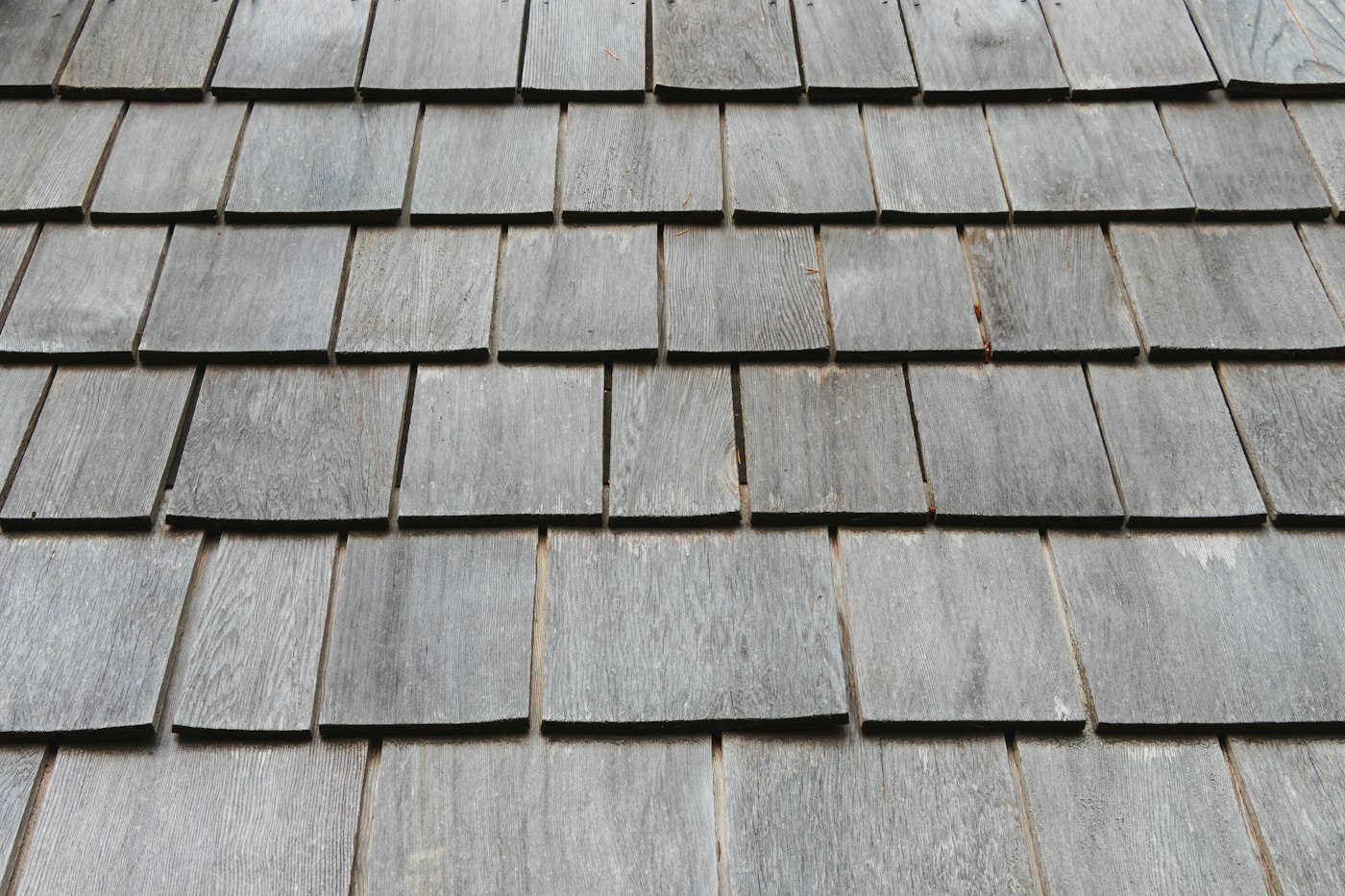
Your roof protects everything beneath it, yet most homeowners rarely look at it until a stain appears on the ceiling. You do not need to climb a ladder to catch most roof problems early. A careful look from the ground, with a pair of binoculars and a few minutes of attention, can tell you a lot. Here is what to look for: missing shingles, sagging, moss, granules in gutters and flashing gaps. Spotting them before winter gives you time to plan repairs on your terms.
Why Check From the Ground
Walking on a roof is risky. Slopes, loose granules, morning dew, moss and fragile roofing materials all make falls more likely, and a fall from a roof can be life-changing. Walking on some roofing materials can also damage them. A ground-level inspection keeps you safe and still reveals most of the warning signs that matter. If you spot something concerning, that is the time to bring in someone with the right equipment and training.
What you need
- A pair of binoculars
- A phone or camera with zoom for photos
- A notepad to record what you see and where
- A clear, bright day, ideally with the sun behind you so you are not looking into glare
Walk all the way around the house, and step back far enough to see each roof plane. Look from across the street or from the far end of the yard if you need a better angle.
The Five Warning Signs
1. Missing shingles
Wind, storms and age can loosen and remove shingles. Look for gaps in the pattern, exposed underlayment or a different color where shingles are gone. Also look for shingles that are cracked, curled at the edges, cupped in the middle or lifted. Check the yard after storms for pieces of roofing material. A single missing shingle may seem minor, but it leaves the layer beneath exposed to sun and water.
2. Sagging
The ridge line and roof planes should look straight and flat. A dip, wave or sag can indicate problems with the roof decking or framing, often caused by long-term water damage, excessive weight or structural issues. Look along the ridge, at the eaves and across the middle of each roof plane. Sagging is not a do-it-yourself problem. It calls for a professional assessment.
3. Moss
Moss and heavy algae often grow on shaded areas of a roof that stay damp. Algae usually shows up as dark streaks and is largely cosmetic, though it can make a roof look older. Moss is a bigger concern. It holds moisture against roofing materials and can work its way under shingle edges, lifting them and allowing water in. Trimming back overhanging branches lets in more sun and air. Moss removal should be done gently with products made for roofs; pressure washing can strip granules and damage shingles.
4. Granules in gutters
Asphalt shingles are covered with granules that protect them from sunlight. As shingles age, granules wear off and wash into the gutters. You can check without looking at the roof at all: look into the gutters when you clean them and at the bottom of downspouts and splash blocks for sand-like grit. Some granule loss is normal, especially on a new roof. Large amounts, or bald patches visible on the shingles, can be a sign the roof is nearing the end of its useful life.
5. Flashing gaps
Flashing is the metal or other material that seals the joints where the roof meets chimneys, walls, skylights, vents and valleys. These joints are some of the most common places for leaks. With binoculars, look for:
- Flashing that is lifted, bent or pulling away
- Gaps between the flashing and the chimney or wall
- Rust or corrosion on metal flashing
- Cracked or missing sealant
- Damaged rubber boots around plumbing vent pipes
Other Things to Notice
- Gutters. Sagging gutters, overflow stains or gutters pulling away from the fascia
- Fascia and soffits. Peeling paint, stains or soft spots that suggest water is getting behind the gutters
- Overhanging branches. Limbs touching or hanging over the roof can scrape shingles, drop debris and give animals access
- Chimney. Loose bricks, missing mortar or a damaged cap
- Vents. Missing caps or damaged ridge vents
Confirm From the Inside
Your ground inspection is only half the picture. Follow it with a look inside:
- Attic. With a flashlight, check the underside of the roof deck for water stains, dark spots, damp insulation or daylight coming through.
- Ceilings. Look for stains, especially near exterior walls and below chimneys or skylights.
- Walls. Peeling paint or stains near the top of exterior walls can signal a roof or flashing leak.
The location of a ceiling stain can help point to its source, but water can travel along framing before it shows up, so the leak may not be directly above the stain.
What to Do If You Find a Problem
- Document it. Take photos and note the location.
- Prioritize. Missing shingles, active leaks, flashing gaps and sagging should be addressed soon. Moss and minor granule loss can usually be scheduled.
- Call for a closer look. A professional can inspect up close and recommend repair or replacement.
- Do not wait for winter. Cold, wet and icy weather makes roof repairs harder and can make small problems worse.
Common Mistakes
- Climbing onto the roof to look, especially when it is wet, steep or mossy
- Pressure washing moss or algae off shingles
- Ignoring granules in gutters
- Assuming no ceiling stains means no roof problems
- Waiting until after the first big winter storm to check
What to Do This Week
- Walk around the house with binoculars on a clear day.
- Look for missing shingles, sagging, moss, granules in gutters and flashing gaps.
- Take photos and note the location of anything unusual.
- Check the attic and ceilings for signs of leaks.
- Schedule a closer inspection if anything looks wrong.
AX Home Pro handles repairs, improvements and maintenance for homeowners. Request an estimate to get started.