
Once the decision to build an outdoor kitchen is made, the fun part begins: choosing what to cook on. The appliance list shapes everything else, from the size of the island to the gas, power and water lines beneath it. It pays to choose appliances early and to choose them for how you actually cook, not for a catalog photo.
The grill comes first
Built-in gas grills are the centerpiece of most outdoor kitchens. They run on natural gas from the house or on propane, and most models are built for one fuel or the other, so decide which you will use before ordering. Natural gas means never running out mid-cookout, but it requires a gas line installed by a qualified professional. Propane offers more flexibility in placement.
Charcoal grills and ceramic kamado-style cookers appeal to people who love smoke and high heat, and many can be built into an island. Pellet grills, which feed wood pellets automatically, need electricity for their augers and controls. Flat-top griddles have become popular for breakfasts and smash burgers, and they can sit beside a grill or replace one.
Burners, sinks and storage
Side burners let you simmer sauces, boil corn or fry without running back to the house. Higher-output power burners suit the big pots used for seafood boils. A sink with running water and a drain makes prep and cleanup far easier. Doors and drawers built for outdoor use keep tools, propane tanks and supplies close at hand.
If the grill is going into an island built with combustible materials, such as a wood frame, many manufacturers require an insulated jacket around it. The installation manual is the rulebook.
Refrigeration built for the outdoors
An indoor refrigerator moved outside tends to struggle in summer heat and may not be covered by its warranty there. Outdoor-rated refrigerators, beverage centers, ice makers and kegerators are designed to hold temperature in hot weather and resist moisture. Look for units specifically listed for outdoor use. Under-counter installation calls for front-venting designs, and ice makers usually need both a water line and a drain.
Pizza ovens and specialty cookers
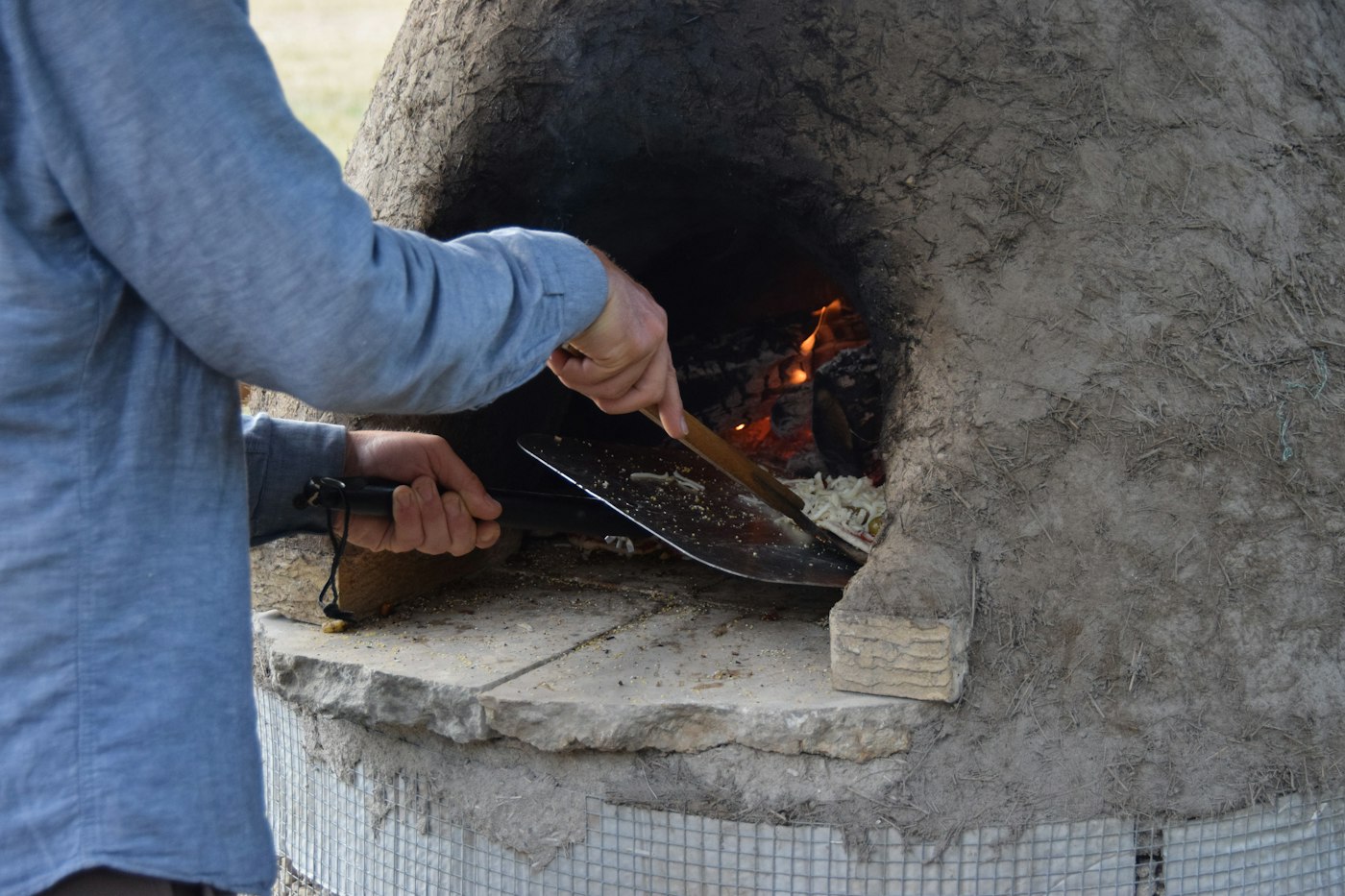
Wood-fired pizza ovens can be built in masonry on site or bought as prefabricated units. They take time to heat but reward patience with very high temperatures. Gas-fired ovens heat faster and are easier to control. Smokers, rotisseries and warming drawers round out the possibilities for serious outdoor cooks.
Materials and planning tips
- Stainless steel grade matters outdoors. Type 304 resists corrosion much better than lower grades, especially near pools or salt air.
- Fitted covers protect grills and appliances from weather and pollen between uses.
- Leave landing space on both sides of the grill for platters and tools.
- Keep the grill’s smoke away from seating and doors, and consider which way the wind usually blows.
- Get every appliance’s cutout dimensions before the island is designed, not after.
A covered outdoor kitchen adds another layer of planning, because smoke and heat need somewhere to go and clearances to combustible materials must be respected. Whether your kitchen sits in the open or under a roof, a contractor experienced with outdoor kitchens will design the island around the appliances rather than squeezing appliances into the island.
Matching Appliances to the Way You Really Cook
Before visiting a showroom, spend a few weekends paying attention to how you cook outside now. The answers point straight to the right appliance list.
- How many people do you usually feed? A couple who grills on weeknights needs a different setup than a family that hosts large gatherings a few times a summer.
- What do you cook most? Burgers and chicken favor a gas grill. Brisket and ribs point toward a smoker or kamado. Pancakes, fried rice and smash burgers point toward a griddle.
- How often do you run inside? If the answer is “constantly,” note why. A trip for ice suggests refrigeration or an ice maker. A trip to rinse tools suggests a sink. A trip for a pot suggests a side burner.
- When do you cook? Evening cooks need good task lighting. Early risers who use a griddle may want a spot that catches morning shade.
Write these answers down and bring them to the design conversation. A short list of real habits is worth more than a long list of features.
Sample Appliance Packages
Here are three common starting points we use when talking through options. Each can be scaled up or down.
The weeknight griller
A built-in gas grill with good landing space on both sides, a set of access doors for the gas connection and propane or tool storage, and a couple of drawers. Add an outdoor-rated receptacle for a rotisserie or small appliance. This setup keeps the island compact and the budget focused on the grill itself.
The weekend host
The grill, plus a side or power burner, an outdoor-rated under-counter refrigerator or beverage center, and a sink with a drain. Plan for a longer island with a raised bar section where guests can sit without being in the cook’s way.
The serious outdoor cook
A grill and a second cooking method, such as a kamado, smoker, griddle or pizza oven, with an ice maker, refrigeration, a sink and generous prep space. At this scale, a roof or pergola, task lighting and dedicated electrical circuits usually come into the conversation, and so does ventilation if the kitchen is covered.
Utility Lines to Plan Before Anything Is Built
The appliance list becomes a utility list. Before the island design is final, confirm each of these:
- Gas. Fuel type for every gas appliance, total demand, and the route and size of the line from the house. A qualified professional sizes and installs this.
- Electric. Which appliances need dedicated circuits, where receptacles go, and whether the panel has capacity.
- Water. Supply lines for the sink and ice maker, and how they will be drained and shut off for freezing weather, if your area sees it.
- Drainage. Where sink and ice maker water will go, following local rules.
- Venting. Many outdoor islands with enclosed gas appliances need vent panels so leaking gas cannot collect inside the cabinet. The grill manufacturer’s instructions spell this out.
Common Appliance-Buying Mistakes
- Buying the biggest grill available. A huge grill that is only half used still takes up counter space and fuel. Size to your typical meal, not your biggest one.
- Skipping landing space. A beautiful grill with no room for a platter is frustrating every time you use it.
- Mixing fuel types by accident. Ordering a natural gas grill and a propane side burner can mean two fuel systems. Decide once and order accordingly.
- Ignoring service access. Burners, igniters and refrigerator components eventually need attention. Make sure they can be reached without taking the island apart.
- Overlooking the warranty terms. Outdoor warranties vary, and some require professional installation or specific clearances. Read them before buying, not after a problem.
Questions to Ask Before You Order
- Is this unit listed for outdoor use, and for the installation I have in mind?
- What are the exact cutout dimensions and required clearances?
- Does it need an insulated jacket in my island construction?
- What utilities does it need, and where do the connections sit?
- How are replacement parts and service handled?
With those answers in hand, the island can be designed once and built right, and the cooking can start sooner.


