
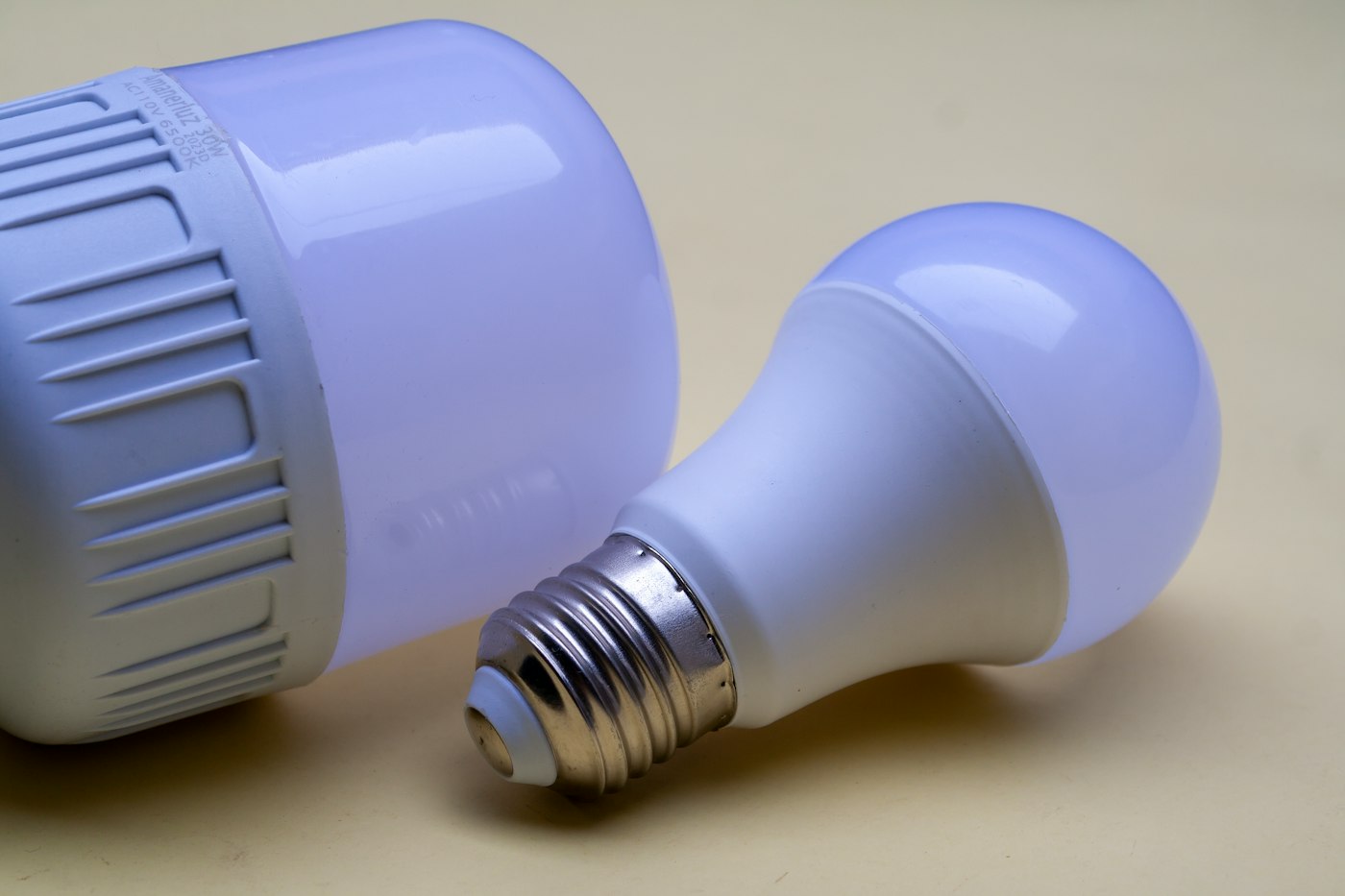
Switching to LED bulbs is easy. Choosing the right ones is a little more involved. Two numbers on the package have an outsized effect on how your rooms look and feel: color temperature and color rendering index, or CRI. Once you understand them, it becomes much easier to make finishes, paint and tile look the way you intended.
What Color Temperature Means
Color temperature describes whether light looks warm and yellowish or cool and bluish. It is measured in kelvins, abbreviated K. Lower numbers are warmer, and higher numbers are cooler. As a general guide:
- Around 2700K: warm, cozy light similar to a traditional incandescent bulb.
- Around 3000K: still warm, a little crisper, a popular middle ground.
- Around 3500K to 4000K: neutral to cool white, often used in work areas.
- 5000K and above: very cool, daylight-like light that can feel clinical in a home.
There is no single correct choice. Many homeowners prefer warmer light in living rooms and bedrooms and slightly crisper light in kitchens, bathrooms, laundry rooms and workshops. Some fixtures now offer selectable or tunable color temperature, which can be handy when you are unsure.
What CRI Means
Color rendering index describes how accurately a light source shows the true colors of objects compared to a reference light. The scale tops out at 100. A higher CRI means reds look red, wood tones look rich and skin tones look natural. A lower CRI can make colors look dull or slightly off, even if the light seems bright.
CRI matters most where color accuracy matters: kitchens, where you judge food; bathrooms, where you apply makeup or shave; closets, where you match clothes; and any room with finishes you chose carefully. Many quality LED products list a CRI of 90 or higher, which is generally considered very good for residential use.
Why This Matters During a Remodel
Lighting changes how finishes look. A warm white cabinet can look creamy under warm light and gray under cool light. Marble-look countertops can shift noticeably. Before you finalize paint, tile or countertop choices, look at samples under the actual type of light you plan to use, not just under showroom lighting or sunshine. Bringing a bulb of your intended color temperature to compare samples at home is a simple, effective trick.
Keep It Consistent
Mixing color temperatures in one room is one of the most common lighting mistakes. A cool recessed light next to a warm pendant makes a space look patchy. Choose one color temperature for each room, or for each open area that reads as one space, and stick with it across fixtures. Buying bulbs in the same product line also helps, since different brands can vary slightly even at the same rating.
Other Numbers on the Box
Lumens describe brightness, which is more useful than wattage for LEDs. Look for dimming compatibility if the bulb will be on a dimmer. If you are planning a remodel and want help coordinating lighting with finishes, reach out through our contact page.
A Room-by-Room Starting Point
These suggestions are a starting point, not a rule. Your own taste, the finishes in the room and the amount of natural light will all shape the final choice.
- Living room and family room: Warm light, often around 2700K to 3000K, with high CRI so wood floors, fabrics and artwork look their best. Dimmers make these rooms more versatile.
- Bedrooms: Warm light for a relaxing evening feel. Bedside reading lamps can be a bit brighter without changing color temperature.
- Kitchen: Many homeowners choose around 3000K for a crisp but welcoming look. Some prefer slightly cooler task light, but keep the whole open area consistent.
- Bathrooms: A neutral-warm light with high CRI around the mirror helps with grooming. Side lighting at face height reduces shadows.
- Closets: High CRI matters most here, since you are matching colors. Bright, even light helps you tell navy from black.
- Laundry, garage and workshop: Cooler, brighter light can help with detail work and spotting stains, if you like the look.
- Hallways and stairs: Match the rooms they connect so transitions feel seamless, and make sure stair treads are well lit for safety.
How to Test Bulbs at Home
- Buy a few options. Pick two or three color temperatures from the same brand and line, all with a high CRI.
- Test at night. Daylight overwhelms artificial light. Evaluate after dark, when the bulbs are doing all the work.
- Use the actual fixture. Shades, diffusers and reflective trims change how light looks. Test in the fixture you plan to use if possible.
- Look at your finishes. Hold paint chips, tile and countertop samples under each bulb, and look at the wood floor and cabinet colors in the room.
- Live with it. Leave your favorite in place for a few evenings before buying for the whole house.
Common LED Mistakes and Easy Fixes
Flicker or buzzing on dimmers
This is often a compatibility issue between the bulb and the dimmer. Check both manufacturers’ compatibility information, and consider replacing older dimmers designed for incandescent bulbs with models rated for LED loads.
Rooms that feel harsh
Very cool color temperatures or bare, bright bulbs at eye level can make a home feel like an office. Try a warmer bulb, a fixture with a diffuser, or more sources at lower brightness instead of one strong light.
Colors that look washed out
If finishes look flat even with plenty of light, check the CRI. A higher-CRI bulb at the same color temperature can make a surprising difference.
Mismatched replacements
When one bulb burns out years later, a new bulb with the same listed rating may still look slightly different. Buying a few extras of the same product when you first install them helps keep fixtures matched.
Quick Answers About LED Lighting
Do integrated LED fixtures last as long as bulbs? Integrated fixtures can last a long time, but when they fail, the whole fixture or its LED module may need replacing. Replaceable-bulb fixtures give more flexibility.
Are tunable bulbs worth it? They can be helpful if you want warmer light in the evening and crisper light during the day, or if family members disagree about preferences.
Does a higher kelvin rating mean brighter light? No. Kelvin describes color, not brightness. Brightness is listed in lumens, so compare both numbers when you shop for a room.


