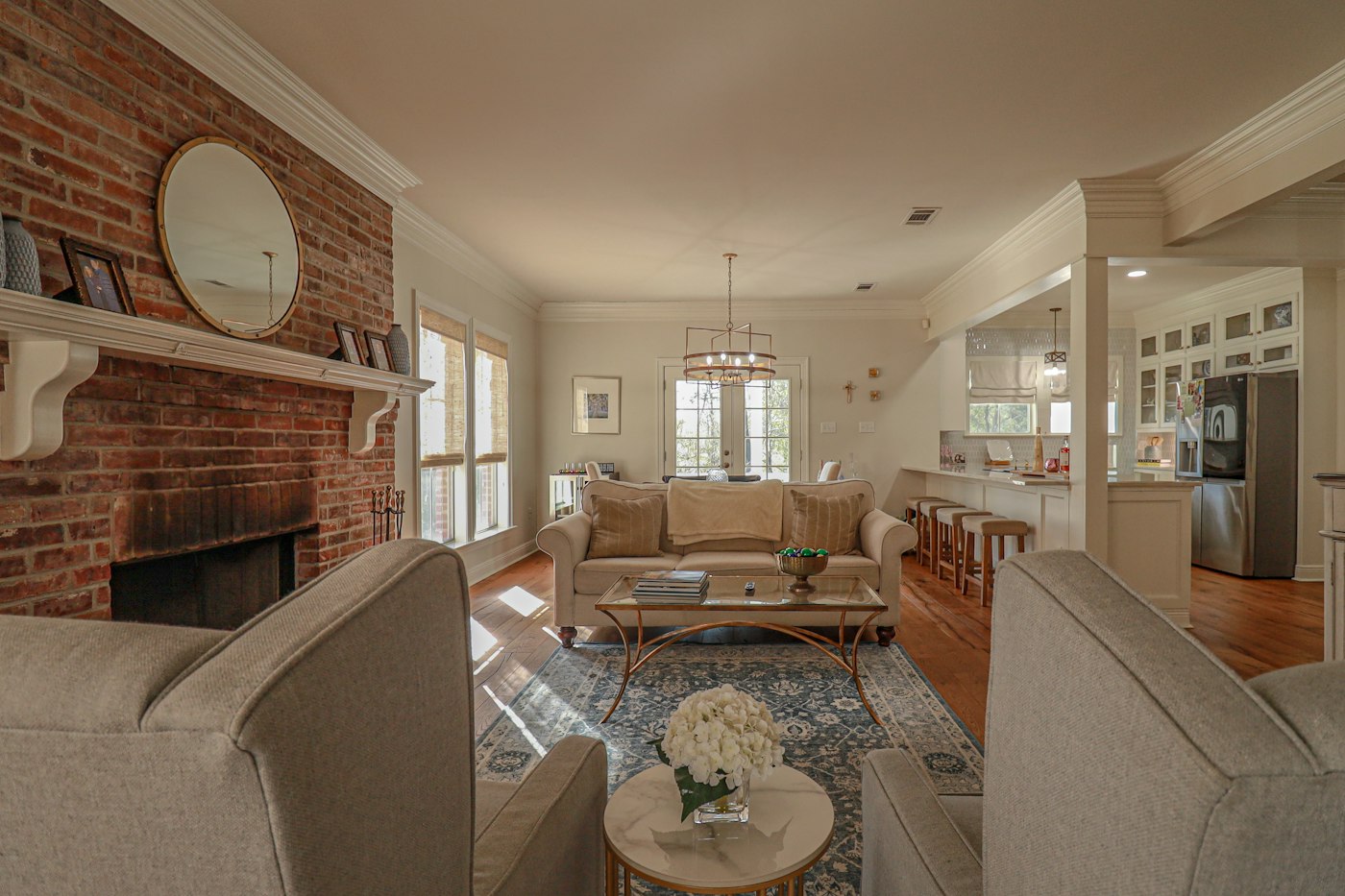
In the coldest stretch of winter, the fireplace naturally becomes the heart of a living room. It is also one of the most noticeable architectural features in a home, which means a dated surround or mismatched mantel can affect the feel of the whole space. A fireplace makeover can modernize a room, add warmth and character, or restore a classic look.
Start With Safety and Function
Before focusing on looks, make sure the fireplace itself is in good shape. Wood-burning fireplaces and chimneys benefit from regular inspection and cleaning, and organizations such as the National Fire Protection Association recommend annual chimney inspections. Gas fireplaces should also be serviced according to the manufacturer. Any changes near the firebox must respect required clearances to combustible materials, which vary by appliance and local code. A qualified chimney professional or contractor can tell you what applies to your fireplace.
Surround Materials
The surround is the area framing the firebox opening. Updating it is often the most dramatic part of a makeover.
- Tile: Offers endless possibilities, from handmade-look ceramic and zellige-style tile to large-format porcelain that mimics marble or concrete.
- Natural stone: Marble, limestone and slate bring timeless elegance and texture.
- Brick: Existing brick can be cleaned, limewashed, painted or covered with a thin veneer, depending on the look you want.
- Stacked stone: Adds rugged texture, especially in rustic or lodge-style rooms.
- Plaster or microcement: Creates a smooth, sculptural, minimalist look.
Materials near the firebox must be suited to heat. Check product specifications and clearance requirements before choosing.
Mantel Styles
A mantel frames the fireplace and gives you a place to display art, candles or seasonal decor. Traditional mantels with columns and molding suit classic homes. A simple wood beam, sometimes reclaimed, adds warmth to farmhouse and rustic interiors. Minimalist designs may skip the mantel entirely for a clean, uninterrupted surround, or use a slim floating shelf. Mantel height and depth should be planned in proportion to the fireplace and room, and with clearance to the firebox in mind.
Hearths and Built-Ins
The hearth is the floor area in front of the firebox. Raised hearths can double as seating, while flush hearths create a sleek, modern look. Hearth materials should be noncombustible and extend far enough in front of the opening to meet code. Built-in shelves or cabinets on either side of a fireplace can add storage and balance, and they offer a natural place for books, media equipment or firewood.
Thinking About Conversions
Some homeowners consider converting a wood-burning fireplace to gas or adding an insert to improve efficiency and convenience. Others add an electric fireplace in a room without a chimney. Each option has different installation requirements and may require permits. A qualified professional can help you understand what is possible with your existing fireplace and venting.
Whatever direction you choose, a fireplace makeover is most successful when it fits the rest of the room. Consider the scale of the wall, the colors and materials nearby and the architectural style of your home. Bring samples into the room and look at them in both daylight and evening light. If you are planning a fireplace update as part of a remodel, reach out through our contact page.
Planning a Fireplace Makeover Step by Step
A fireplace update touches safety, structure and style all at once, so we like to work through it in a clear order.
- Confirm the fireplace type and condition. Know whether you have a masonry wood-burning fireplace, a factory-built unit, a gas appliance or an insert. Each has its own clearance rules and limitations, and the manufacturer’s documentation for factory-built and gas units matters.
- Schedule an inspection before cosmetic work begins, so any repairs to the firebox, damper, flue or chimney can be addressed first.
- Measure the wall. Record the width and height of the wall, the firebox opening and the distance to windows, ceilings and adjacent built-ins. Proportion drives design.
- Decide what to keep. Sometimes a good existing mantel or original brick deserves to stay, with the makeover focused on one element.
- Select materials that are rated for their location, with noncombustible materials where they are required.
- Plan wiring and mounting early. If a television, sconces or lighted shelves are part of the plan, wiring and structural support should be worked out before the surround is finished.
Design Approaches by Style
Classic and Traditional
A painted wood mantel with simple molding, a stone or tile surround and a flush stone hearth creates a timeless look. Symmetrical built-ins on each side reinforce the formal balance.
Modern and Minimal
Large-format porcelain, plaster or microcement running floor to ceiling gives a clean, gallery-like feel. A linear opening, a slim floating shelf or no mantel at all keeps the composition simple.
Rustic and Coastal
Limewashed brick, stacked stone or a whitewashed surround paired with a natural wood beam brings texture without heaviness. Soft, natural tones keep the fireplace feeling relaxed rather than dark.
Mistakes We Help Homeowners Avoid
- Mounting a television too high. A screen set high above a mantel can be uncomfortable to watch. Consider viewing angles and heat before deciding on placement, and check the fireplace manufacturer’s guidance on what can be installed above it.
- Choosing decorative materials without checking ratings. Some tiles, adhesives and finishes are not suited for heat near a firebox.
- Undersizing the mantel. A mantel that is too thin or short for a large wall can look like an afterthought. Scale it to the room.
- Painting brick without preparation. Brick needs cleaning and the right product for masonry. Paint is also difficult to remove later, so consider limewash or a sample area first.
- Forgetting the hearth. A beautiful new surround above a worn or mismatched hearth can undercut the whole project.
Fireplace Questions We Hear
Can I tile directly over my existing brick?
Sometimes, depending on the condition and flatness of the brick and the tile system used. Uneven brick may need a leveling layer or backer first. A contractor can assess what your surface needs.
What can I do with a fireplace I never use?
A nonworking fireplace can still be a strong design feature. Some homeowners fill the firebox with candles or logs for display, add an electric insert, or have the flue properly sealed. Have the chimney evaluated before deciding, since an unused flue still needs attention.
Is a raised hearth safe for families with small children?
Raised hearths have hard edges at toddler height. Softer edge profiles, hearth guards and careful supervision can help, and a flush hearth may be a better choice for some households.
Your Fireplace Makeover Checklist
- Fireplace type identified and documentation located
- Inspection and any repairs completed
- Clearances confirmed for surround, mantel and hearth
- Materials checked for heat suitability
- Wiring, lighting and mounting planned before finishing
- Samples viewed in the room in day and evening light