The best time to find out your furnace has a problem is on a mild September afternoon, not at midnight during the first hard cold snap. A tune-up catches cracked heat exchangers, dirty burners and worn parts before you need heat. It is routine maintenance, but it pays off in comfort, safety and fewer surprises once the heating season is underway.
Why Early Fall Is the Right Time
A furnace that has sat idle all summer has had months to collect dust, and any part that was wearing out last winter has not gotten better on its own. Scheduling a tune-up now has real advantages:
- You are not in a hurry. If a part needs to be ordered, you can wait for it without going cold.
- Schedules are more open. Once temperatures drop, heating calls spike and appointments get harder to find.
- Problems are smaller. A weak igniter or a dirty flame sensor is a simple fix in September. The same part failing in January leaves you without heat.
- Safety is confirmed before you depend on it. You start the season knowing the system is venting properly and operating as designed.
What a Tune-Up Catches
Cracked heat exchangers
In a gas furnace, the heat exchanger separates the combustion process from the air that circulates through your home. Over years of heating and cooling, metal can fatigue and crack. A crack is a serious concern because it can allow combustion gases, including carbon monoxide, to mix with the air you breathe. Signs can include soot around the furnace, an unusual flame pattern or frequent safety shutoffs, but many cracks are only visible during a professional inspection. This is the single most important reason to have the furnace looked at before the season.
Dirty burners
Dust, debris and corrosion on burners lead to uneven flames, inefficient combustion and harder starts. A healthy gas flame is generally steady and mostly blue. Yellow, flickering or lifting flames suggest the burners need cleaning or adjustment, or that something else is affecting combustion. Clean burners help the furnace run as intended and reduce wear on other components.
Worn parts
Furnaces rely on many parts that wear gradually:
- Igniters and flame sensors that weaken or get coated with residue
- Blower motors and bearings that start to strain or squeal
- Belts on older systems that crack or slip
- Capacitors and relays that fail without much warning
- Inducer motors that get noisy before they quit
- Loose electrical connections that cause intermittent problems
Catching wear early means you replace a part on your schedule instead of the furnace’s schedule.
Efficiency and comfort
Beyond safety and reliability, a clean, properly adjusted furnace tends to run more smoothly. Clean burners, a clear filter and a healthy blower help the system deliver steady heat and reduce strain on its parts. That means fewer uneven rooms, fewer odd noises and a better chance the furnace keeps running through the coldest stretches of winter.
What a Typical Tune-Up Includes
Every technician has their own routine, but a thorough furnace tune-up usually covers:
- Checking and replacing or recommending a new air filter
- Inspecting the heat exchanger for cracks, rust and soot
- Cleaning and inspecting burners and checking the flame
- Testing the igniter and cleaning the flame sensor
- Checking the blower assembly, motor and wheel for dirt and wear
- Tightening electrical connections and testing controls
- Testing safety limits and shutoffs
- Checking the venting and flue for proper draft and blockages
- Checking for carbon monoxide concerns around the appliance
- Confirming the thermostat calls for heat correctly
- Clearing the condensate drain on high-efficiency furnaces
What Homeowners Can Do Between Tune-Ups
A professional tune-up is the foundation, but a few simple habits keep your furnace healthier all winter:
- Change the filter. Check it monthly during heavy use and replace it when it looks dirty. A clogged filter restricts airflow and makes the system work harder.
- Keep the area clear. Do not store boxes, paint, cleaning chemicals or laundry near the furnace.
- Keep vents open. Closing too many supply vents or blocking returns can upset airflow.
- Test your CO detectors. Make sure you have working carbon monoxide detectors, especially near sleeping areas and on each level of the home.
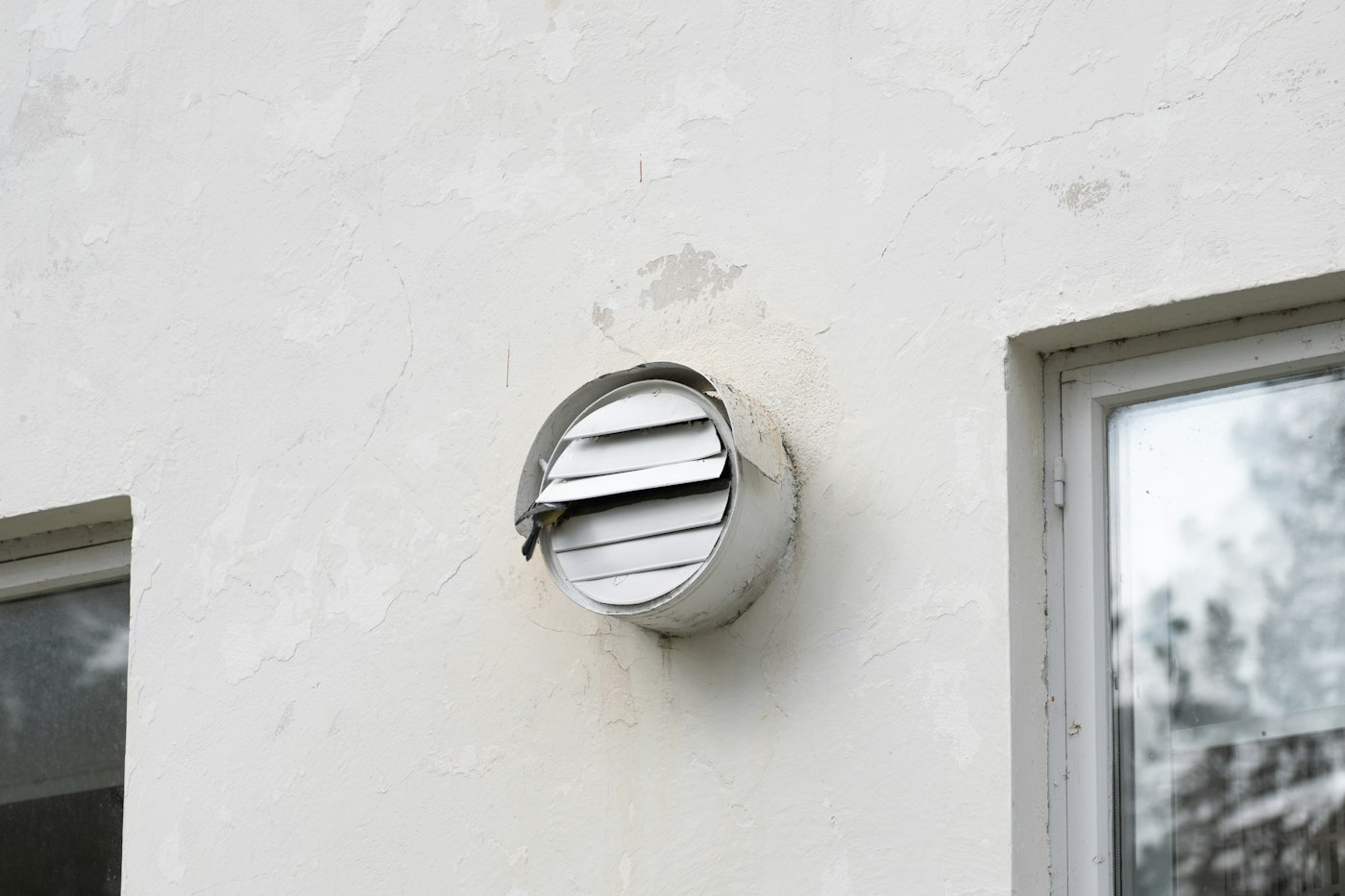
- Clear outdoor vents. High-efficiency furnaces often vent through a side wall. Keep those pipes free of leaves, snow and debris.
- Pay attention. New noises, odd smells beyond the normal first-run dust, short cycling or rooms that will not warm up are worth a call.
Warning Signs Not to Ignore
Some symptoms should never wait for the next scheduled service:
- A carbon monoxide alarm sounding. Leave the house and call for emergency help.
- The smell of gas. Leave the house and contact your gas utility or emergency services from outside.
- Soot or scorch marks around the furnace
- Repeated shutoffs or a furnace that will not stay lit
- Loud banging, screeching or grinding
Furnaces involve gas, combustion and electricity. Repairs to burners, gas valves and heat exchangers should be handled by qualified heating professionals.
Common Mistakes
- Skipping the tune-up because the furnace worked fine last winter
- Forgetting the filter until airflow drops
- Covering or blocking the furnace with stored items
- Ignoring a new noise because it goes away after a few minutes
- Waiting for the first cold night to test the system
What to Do This Week
- Replace your furnace filter and write the date on it.
- Switch the thermostat to heat briefly to confirm the system starts.
- Clear stored items away from the furnace and water heater.
- Test smoke and carbon monoxide detectors.
- Schedule a tune-up so cracked heat exchangers, dirty burners and worn parts are caught before you need heat.
AX Home Pro handles repairs, improvements and maintenance for homeowners. Request an estimate to get started.