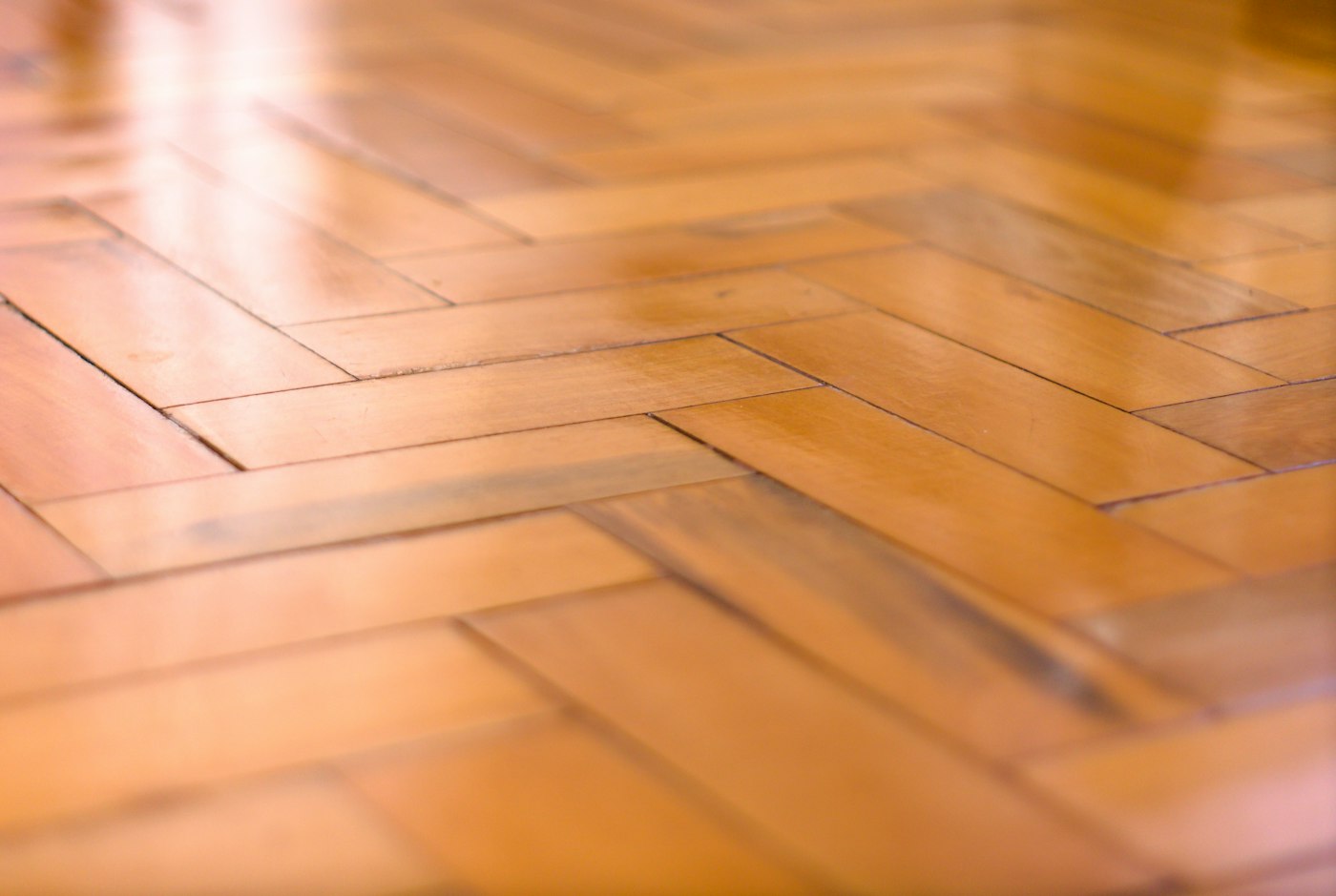
Sweep often, damp mop sparingly, use felt pads, refinish when wear shows. Hardwood floors are one of the most loved features in many homes. They’re warm, timeless and, with the right care, can last for generations. But hardwood is also vulnerable to grit, water, heavy furniture and everyday wear. The good news is that caring for hardwood is mostly about simple, consistent habits. Here’s how to keep your floors looking their best and when it’s time to bring them back to life with refinishing.
Know Your Floor’s Finish
Most care advice depends on what’s protecting the wood. Common finishes include:
- Surface finishes such as polyurethane, which form a protective layer on top of the wood. Most modern hardwood floors, including many prefinished floors, have a surface finish.
- Penetrating oil finishes, which soak into the wood and are often maintained with periodic oil refreshers.
- Wax finishes, found in some older homes, which require different care and should not be cleaned with water-based products.
Engineered hardwood has a real wood top layer over a plywood or composite core. Its care is similar to solid hardwood, though the thickness of the wear layer determines how many times it can be sanded and refinished. If you’re not sure what you have, check with the manufacturer or installer, or test in an inconspicuous spot. Always follow the flooring or finish manufacturer’s care recommendations.
Sweep Often
Grit is hardwood’s enemy. Sand, dirt and small debris act like sandpaper underfoot, dulling and scratching the finish with every step.
- Sweep or dust mop frequently, daily in high-traffic areas if possible.
- Vacuum with a hard-floor setting or a brush attachment. Avoid vacuums with a beater bar that can scratch.
- Use a microfiber dust mop to trap fine dust.
- Pay attention to entries, kitchens and hallways, where grit concentrates.
Damp Mop Sparingly
Water is the other major threat to hardwood. Wood absorbs moisture, which can cause cupping, swelling, gaps, staining and finish damage.
- Use a barely damp mop, wrung out until it’s almost dry. Never pour water or cleaner directly on the floor in puddles.
- Use a cleaner made for hardwood and recommended for your finish.
- Avoid steam mops, which many flooring manufacturers advise against because heat and moisture can damage wood and finish.
- Avoid harsh products like ammonia, vinegar in strong concentrations, oil soaps and wax on polyurethane finishes. These can dull the finish or leave residue that complicates refinishing.
- Wipe up spills right away.
- Dry the floor after damp mopping if any moisture remains.
Use Felt Pads and Protect the Surface
Furniture is a leading cause of scratches and dents.
- Put felt pads under chair and table legs, sofas, beds and anything that moves.
- Check and replace pads regularly. They wear down and pick up grit, which can scratch the floor.
- Lift furniture when moving it rather than dragging it.
- Use furniture cups under heavy pieces to spread the weight.
- Use rugs in high-traffic areas and entries, with rug pads safe for hardwood.
- Put mats at exterior doors, inside and out, to catch grit.
- Consider a no-shoes habit, especially for high heels and cleats, which can dent wood.
- Keep pet nails trimmed.
- Use a chair mat under rolling office chairs.
Manage sunlight and humidity
Sunlight changes the color of wood over time. Rotating rugs and furniture occasionally, and using window treatments during the brightest hours, helps it age more evenly. Wood also expands and contracts with humidity. Gaps between boards in dry seasons and slight swelling in humid seasons are normal. Keeping indoor humidity relatively stable helps minimize these changes.
Refinish When Wear Shows
Even with good care, hardwood eventually shows wear. The question is how much, which determines the right fix.
Signs it’s time
- The finish looks dull or worn in traffic patterns
- Water no longer beads on the surface but soaks in and darkens the wood
- Gray or discolored areas where finish has worn through
- Deep scratches, dents or stains
Screen and recoat
If the wear is limited to the finish and hasn’t reached the wood, a screen and recoat may be enough. The existing finish is lightly abraded, then a fresh coat of finish is applied. It’s faster and less disruptive than a full refinish and can extend the life of the floor between full refinishes. It’s not suitable for floors that have been waxed or treated with some products that interfere with adhesion.
Full sand and refinish
When the finish is worn through, the wood is damaged or you want to change the color, a full refinish sands the floor down to bare wood, removing scratches and old finish. New stain, if desired, and finish coats are then applied. Solid hardwood can typically be refinished several times over its life; engineered flooring depends on its wear layer.
Common mistakes
- Wet mopping or using steam mops
- Using oil soaps, waxes or all-purpose cleaners on polyurethane finishes
- Skipping felt pads
- Dragging furniture
- Waiting until the finish is worn through, which turns a recoat into a full refinish
What to Do This Week
- Find out what finish your floors have and what the manufacturer recommends.
- Set up a routine to sweep often, especially in high-traffic areas.
- Switch to a hardwood-safe cleaner and damp mop sparingly.
- Add or replace felt pads under all furniture.
- Do a water-drop test in traffic areas to see if the finish is wearing.
If your floors need repairs, board replacement or a refresh, we can help. AX Home Pro handles repairs, improvements and maintenance for homeowners. Request an estimate to get started.