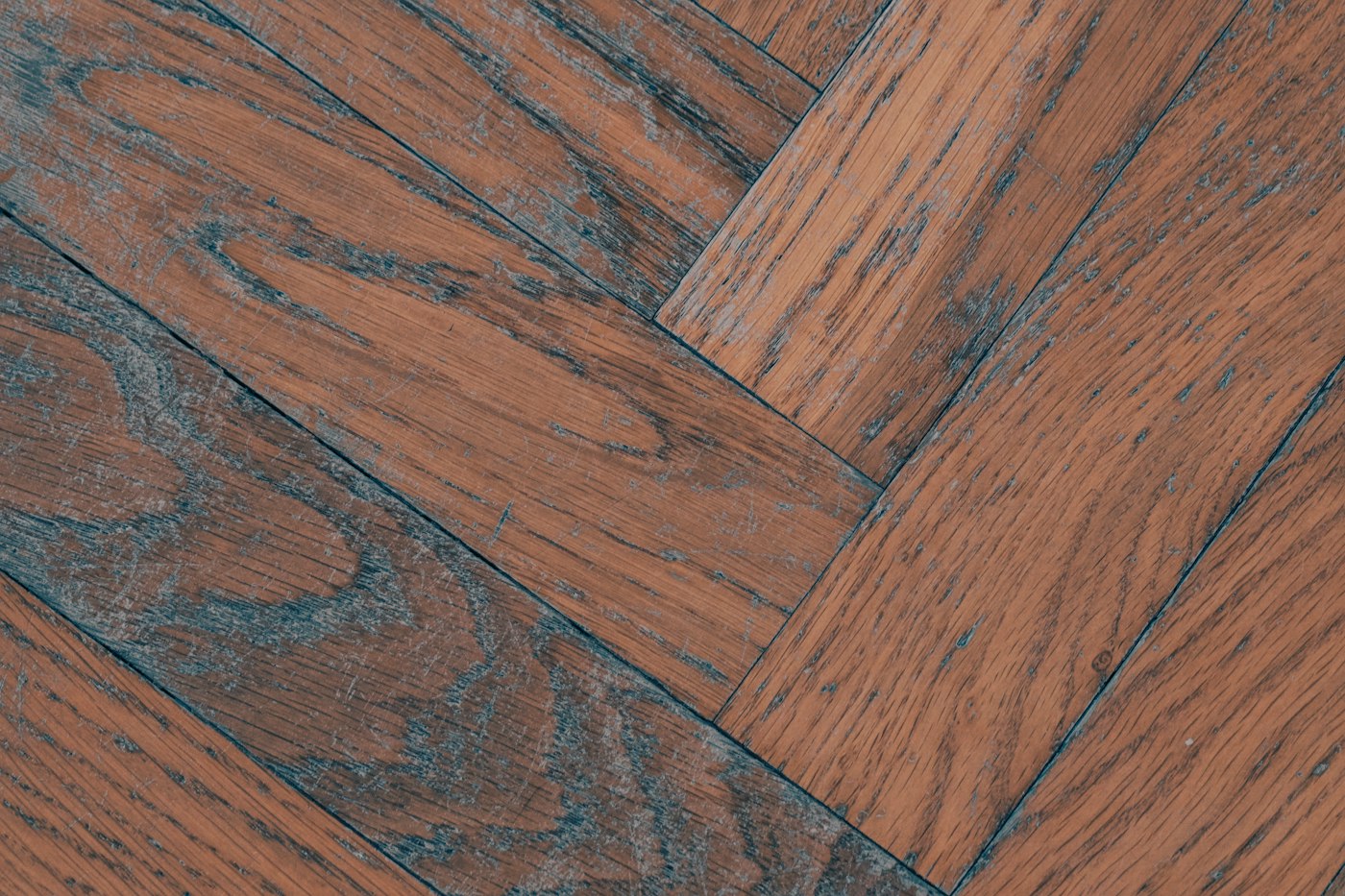
Hardwood floors have long been prized for their warmth, beauty and ability to last for generations with proper care. But hardwood is not a single product. The species of wood, the way it is cut and the finish applied to it all shape how a floor looks, feels and wears. Understanding these choices makes it easier to pick a floor you will love for years.
Common Species and Their Character
- Red oak: A long-time American favorite with a pronounced grain and warm, slightly pinkish undertones. It takes stain well and hides minor wear.
- White oak: Slightly more muted in tone, with a tighter grain pattern in many boards. It is very popular for light, natural and gray-toned looks and stains evenly.
- Maple: Pale, smooth and subtle, with a fine grain. Maple is hard and dense, but it can be tricky to stain evenly, so it is often finished in natural tones.
- Hickory: Very hard, with dramatic color variation between boards. Hickory suits rustic and farmhouse styles.
- Walnut: Rich, chocolate-brown color with an elegant grain. Walnut is softer than oak and hickory, so it shows dents more readily.
- Cherry: Warm reddish tones that deepen as the wood is exposed to light over time.
Hardness varies by species. Softer woods may show dents from dropped objects or pet claws more easily, which is worth considering in busy households.
How the Cut Changes the Look
The way a log is sawn affects the grain pattern. Plain-sawn boards show the familiar cathedral-like arches. Quarter-sawn and rift-sawn boards show straighter, more linear grain, and in oak, quarter-sawn boards can display distinctive flecks. Straighter grain tends to read as calmer and more contemporary, while plain-sawn grain feels more traditional and lively.
Board Width and Grade
Narrower boards create a classic look common in older homes. Wider planks feel more modern and open, though they can be more sensitive to seasonal movement. Grade describes the appearance of the boards. Clearer grades have fewer knots and less color variation, while more rustic grades embrace knots, mineral streaks and character marks.
Finish Options
The finish protects the wood and affects how it looks and how it is maintained.
- Surface finishes, such as polyurethane, form a protective layer on top of the wood. They come in sheens from matte to glossy. Lower sheens tend to hide scratches and dust better.
- Penetrating oil finishes soak into the wood for a natural, low-luster look. Scratches can often be spot-repaired, but these finishes typically need more regular maintenance.
- Prefinished flooring arrives with a factory-applied finish, while site-finished flooring is sanded and finished after installation, allowing custom stain colors.
Living With Hardwood
Use felt pads under furniture, place mats at entries and clean with products the finish manufacturer recommends. Wood responds to humidity, so keeping indoor conditions reasonably steady helps reduce gaps in dry winter months and cupping in humid ones. If you are considering new hardwood as part of a remodel, reach out through our contact page.
How to Choose Your Hardwood, Step by Step
With species, cut, width, grade and finish all in play, it helps to make decisions in an order that narrows the field.
- Start with your household. Think about pets, children, high heels, rolling chairs and how much wear you are comfortable seeing. This points you toward harder or softer species and toward forgiving finishes.
- Consider the light. Rooms with lots of sun may cause some species to change color over time. Lighter floors show less dust, while darker floors can show it more.
- Think about the whole house. If the new floor will connect to existing hardwood, decide whether to match it closely or run the new floor through the whole level for a seamless look.
- Pick the overall look. Calm and modern often means rift or quarter-sawn boards in a clear grade. Lively and traditional points toward plain-sawn grain or character grades.
- Choose width and finish. Wider planks feel open and contemporary, and a matte finish is forgiving. Narrow boards and satin finishes feel classic.
- Look at large samples. Lay several boards side by side on the floor, in the room, and look at them at different times of day.
Stain Color Considerations
Natural and light tones
Natural finishes show the wood’s true color. Light floors tend to hide dust and small scratches and can make a room feel airy. Some species darken or amber naturally over time.
Mid-tones
Warm browns and soft honey tones are forgiving and versatile. They hide everyday wear well and pair with many cabinet and wall colors.
Dark tones
Dark stains look rich and dramatic, but they tend to show dust, pet hair and scratches more readily, especially in sunny rooms.
Testing stains
Stain looks different on every species and even on different boards of the same species. For site-finished floors, ask to see test patches on the actual wood before committing.
Hardwood Mistakes to Avoid
- Installing in the wrong rooms. Solid hardwood is generally not recommended in full bathrooms or areas with standing water. Check manufacturer guidance for each room.
- Skipping acclimation. Wood needs time to adjust to your home’s humidity before installation. Follow the manufacturer’s recommendations.
- Choosing glossy finishes for busy areas. High gloss shows every scratch and footprint. Satin or matte is more forgiving.
- Cleaning with water or harsh products. Wet mopping and steam cleaners can damage wood. Use the cleaning products the finish manufacturer recommends.
- Ignoring humidity. Very dry winter air and humid summer air both affect wood. Steady indoor humidity helps reduce gaps and cupping.
Hardwood Questions We Hear
Can hardwood be refinished? Solid hardwood can typically be sanded and refinished multiple times over its life. Engineered hardwood depends on the thickness of its top layer.
Is prefinished or site-finished better? Prefinished floors install quickly and have durable factory finishes. Site-finished floors allow custom stain colors and a smooth, sealed surface across the whole floor. Each suits different projects.
How do I protect hardwood from pets? Keep nails trimmed, use rugs in play areas and choose a harder species with a matte, textured finish to hide wear.
Will new hardwood match my existing floors? Matching is possible but tricky, since older wood has aged and changed color. Refinishing all connected floors together often gives the most consistent result.
Whatever you choose, caring for the floor consistently from the first day is what keeps it beautiful for decades.