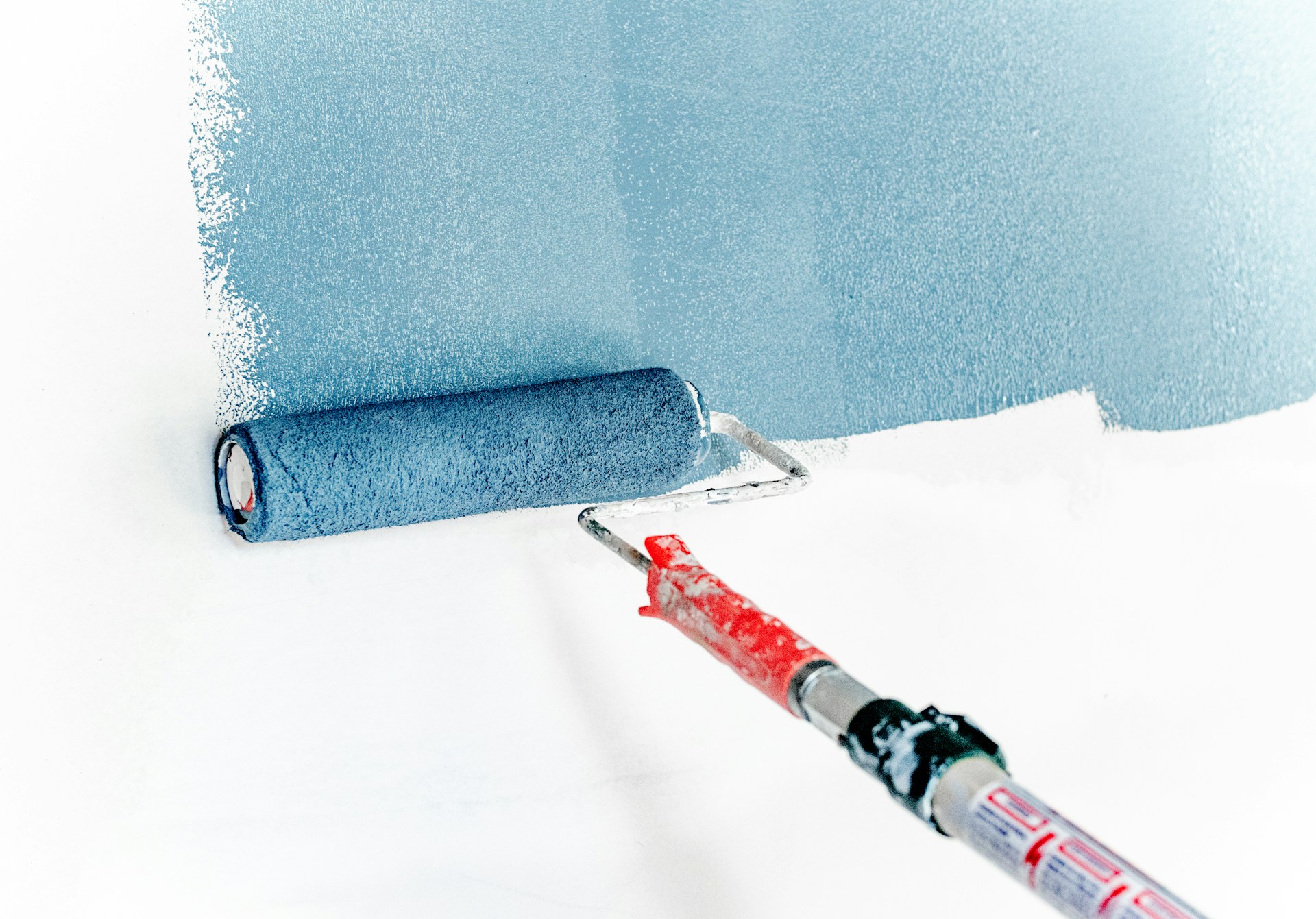
Summer is the busiest season for exterior work and many interior projects, and for good reason. But hot, humid weather changes how construction materials behave. Paint dries differently, adhesives set faster, concrete loses water too quickly and wood swells. Understanding these effects helps homeowners see why a crew might start at dawn, wait out a muggy afternoon or insist that the air conditioning stay on.
Paint
Every paint label lists a range of air and surface temperatures for application. In strong sun, a wall’s surface can be much hotter than the air, which makes paint dry too fast. The results can include lap marks where wet and dry edges meet, poor flow and, on some surfaces, blistering. Painters often work around the house to stay in the shade.
Humidity works the other way, slowing drying. Latex paint applied late on a humid day can be hit by evening dew before it cures, and a common result is surfactant leaching, a sticky, sometimes brownish residue on the surface. It usually washes off, and it can be avoided by stopping early enough for the paint to set before dew forms.
Caulk and sealants
Sealants cure at rates that depend on temperature and humidity, and many list application ranges. Heat also affects the joints themselves. Materials expand in hot weather, so a joint caulked on a scorching afternoon is at its narrowest, and the sealant will have to stretch when the joint opens up in cold weather. Choosing a flexible sealant and following the manufacturer’s joint-sizing guidance helps it stay bonded through the seasons.
Adhesives, mortar and joint compound
Heat shortens the open time of adhesives, the window in which they can be worked before they begin to set. Flooring adhesives typically have specific temperature and humidity requirements, and installing outside those ranges can affect both the bond and the warranty. Tile mortar can skin over in heat, so installers mix smaller batches and spread only what they can cover quickly. Some products are formulated for hot weather.
Drywall joint compound dries quickly in hot, dry air and much more slowly in humid air. Applying the next coat too soon can lead to shrinkage and cracking, which is why finishers may run fans or dehumidifiers to stay on schedule.
Concrete, wood and other materials
Concrete hardens through a chemical reaction with water, not by drying out. In hot, dry or windy weather, water can evaporate from the surface faster than the reaction needs it, leading to a weaker surface and small cracks known as plastic shrinkage cracks. Hot-weather practices include pouring in the cooler early morning, dampening the forms and subgrade, shading or sheltering the work and keeping new concrete moist during curing.
- Wood flooring, trim and cabinets absorb moisture in humid air and should acclimate in a climate-controlled house before installation.
- Vinyl and composite products expand in heat, so expansion gaps and installation temperatures matter.
- Asphalt shingles soften in heat and scuff easily if walked on during the hottest hours.
None of this makes summer a poor time to build. It means good crews plan around the heat, and the schedule may include early starts, quiet afternoons and days when the forecast decides the work. If your contractor asks you to keep the air conditioning running or pushes a pour to the next morning, those requests protect your project.
What a Hot-Weather Work Day Often Looks Like
Homeowners sometimes wonder why a crew arrives at first light and leaves before the afternoon heat. A typical summer schedule shows the logic.
- Early morning: concrete pours, exterior painting on walls that will soon see sun, and roofing work while shingles are still cool.
- Late morning: painting moves to walls coming into shade, and tile and adhesive work moves indoors where the climate is controlled.
- Afternoon: interior tasks, prep work, material deliveries and planning. Some exterior work pauses during the hottest hours.
- Late afternoon: exterior painting wraps up early enough for paint to set before evening dew.
This approach protects both materials and workers, who face real risks from heat. A schedule that looks unusual is often a sign of a crew that knows what it is doing.
How Homeowners Can Help
A few simple steps on your part support good results in hot weather.
- Keep the air conditioning running at the setting your contractor requests, even when you are away.
- Allow materials to acclimate. Wood floors, trim and cabinets need time in the house before installation. Resist the urge to hurry.
- Be flexible on exterior work days. If a crew postpones painting or a pour because of heat, rain or humidity, it is protecting the result.
- Keep sprinklers off near freshly painted surfaces, curing concrete and new caulk, unless the crew asks you to keep concrete moist.
- Keep foot traffic off new concrete and freshly installed flooring for as long as the crew recommends.
- Provide shade or water access if asked. Crews often appreciate access to an outdoor spigot or a shady place to take a break.
Warning Signs to Watch For
Most heat-related problems show up soon after the work is done. Mention any of these to your contractor:
- Blisters, lap marks or sticky residue on new paint.
- Caulk that has pulled away from one side of a joint.
- Floor tiles that sound hollow when tapped or edges that are uneven.
- Gaps or buckling in newly installed flooring.
- Fine cracks across the surface of new concrete.
- Drywall seams that crack or shrink after finishing.
- Scuffed or marked shingles after roof work.
Some of these are cosmetic and easily fixed; others may indicate a deeper issue. Early reporting makes repairs simpler.
Questions Homeowners Ask
Is fall a better time for exterior painting?
Fall can offer milder temperatures, but cooler nights and shorter days bring their own limits. Summer works well when the crew manages heat and dew carefully.
Why does my contractor want the house cooled before flooring arrives?
Flooring needs to adjust to normal living conditions before installation. A hot, humid house can cause flooring to expand and later shrink.
Can concrete be poured in very hot weather?
Yes, with hot-weather practices such as early pours, shading and careful curing. Some mixes include additives for hot conditions. Your contractor will plan accordingly.
Does humidity affect stain on wood?
Yes. Stains and clear finishes dry more slowly in humid air and may need longer between coats. Follow the label and the crew’s guidance.