
Stepping onto a cold tile floor on a January morning is not anyone’s favorite moment. Radiant floor heating solves that problem by warming the floor itself, which in turn warms your feet and the room. It has become a popular addition to bathroom and kitchen remodels, and understanding how it works helps you decide whether it belongs in your plans.
How Radiant Heat Feels Different
Most homes are heated by forced air, which warms the air and blows it through vents. Radiant floor heat works differently. It warms the floor surface, which then radiates heat to the people and objects in the room. Many people find this feels gentle and even, without drafts or blowing air. Because the warmth starts at floor level, it is especially pleasant in rooms where you are often barefoot.
Electric Radiant Systems
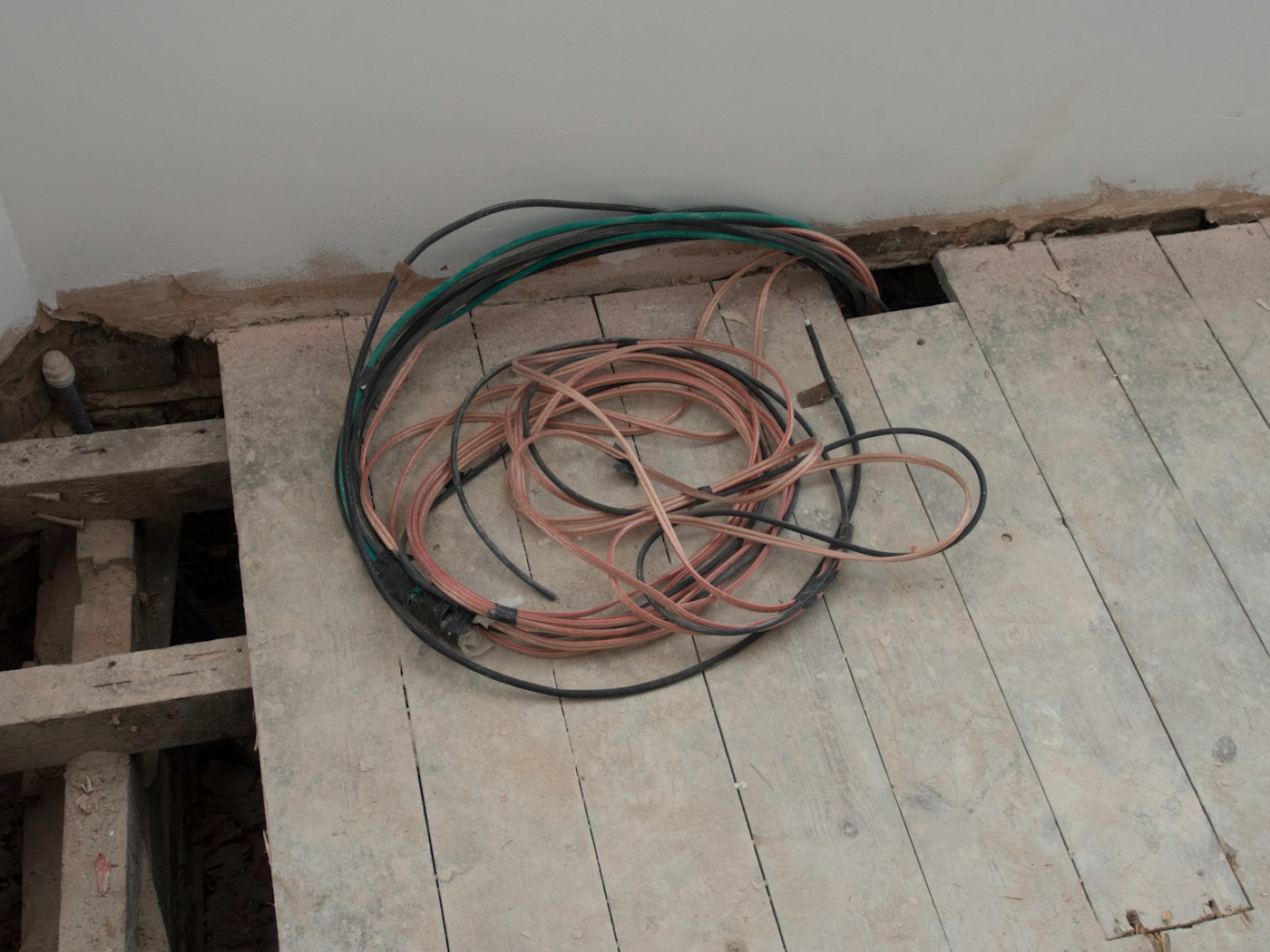
Electric systems use thin heating cables or mats installed beneath the flooring, usually embedded in a layer of thinset or a self-leveling compound under tile or stone. They are controlled by a thermostat, often programmable, so the floor can warm up before you wake.
- Well suited to individual rooms such as bathrooms, kitchens and mudrooms
- Relatively straightforward to add during a flooring remodel
- Usually intended for comfort rather than as the room’s only heat source, though that depends on the system and room
Electric radiant systems require a properly sized circuit and should be connected by a licensed electrician according to local code and the manufacturer’s instructions.
Hydronic Radiant Systems
Hydronic systems circulate warm water through tubing installed in or under the floor. The water is heated by a boiler or water heater. Hydronic systems are often used to heat larger areas or entire homes and are frequently installed in new construction or major renovations, since the tubing, manifolds and heat source take more planning. They can be very effective, but they are a bigger project than an electric mat in a single bathroom.
Which Floors Work Best
Tile and stone are classic partners for radiant heat because they conduct and hold warmth well. Many engineered wood, luxury vinyl and laminate products can also be used over radiant systems, but each manufacturer has limits on surface temperature and installation method. Always check that the flooring you love is approved for use with the radiant system you are considering. Carpet and thick pads tend to insulate the floor and reduce effectiveness.
Planning Tips
- Map where the heat is needed. There is usually no need to heat under a vanity, tub or cabinets.
- Test the system before tile goes over it, since repairs afterward are difficult.
- Choose a thermostat that is easy to read and program.
- Consider insulation under the heating element to direct warmth upward, especially over concrete slabs.
Radiant floor heat is easiest to add when the floor is already being replaced, which makes a remodel the ideal moment. If you are planning a bathroom or kitchen floor and want to explore warm-floor options, reach out through our contact page.
What Installation Looks Like in a Bathroom Remodel
Seeing the process helps explain why radiant heat is best added while the floor is open. A typical electric system in a tiled bathroom follows these general steps.
- Plan the layout. The heated area is mapped to the open floor, avoiding areas under the vanity, toilet flange, tub and cabinets. The thermostat location and floor sensor location are chosen.
- Prepare the subfloor. The floor must be clean, sound and suitable for tile. Insulating underlayment may be added, particularly over concrete, to help send heat upward.
- Install the mat or cable. The heating element is laid out according to the manufacturer’s spacing rules, with care that cables never cross or touch each other.
- Test the resistance. The system is tested with a meter before, during and after it is covered, so any damage is caught before tile goes down.
- Embed and tile. The element is covered with thinset or a self-leveling layer, and the tile is set on top.
- Connect and program. A licensed electrician connects the system to its circuit and thermostat. The floor is not turned on until the setting materials have cured as directed.
Using Radiant Heat Efficiently
- Program a schedule. Heat the floor before your morning routine and again in the evening, rather than running it all day.
- Be patient on startup. Radiant floors warm gradually. Setting the thermostat higher does not usually make it warm faster.
- Choose a smart or programmable thermostat. Many models allow different settings for weekdays and weekends, and some allow remote control.
- Keep rugs light. Thick rugs over a radiant floor trap heat. If you use bath mats, choose thinner ones and check the flooring manufacturer’s guidance.
- Insulate where possible. Insulation below the floor, especially over unheated spaces, keeps more warmth in the room.
Radiant Heat Mistakes to Avoid
Skipping the floor sensor
Most electric systems use a sensor embedded in the floor to regulate temperature and protect the flooring. Leaving it out, or placing it poorly, can lead to uneven or unsafe temperatures.
Heating areas no one stands on
Running heat under fixed cabinets or the tub wastes energy and can be prohibited by the manufacturer. Focus on where feet will actually land.
Choosing incompatible flooring
Not every wood or vinyl product tolerates warmth underneath. Confirm compatibility before you order the floor.
Not testing before tile
A nicked cable discovered after tile is set means tearing up a brand-new floor. Testing at each stage is a small step that prevents a big headache.
Radiant Floor Questions We Hear
Can radiant heat be added to an existing floor? In most cases the flooring has to come up, which is why it is usually added during a remodel. Some systems can be installed from below in certain situations, so it is worth asking.
Is it safe in a bathroom? Systems designed for wet areas, installed and connected according to code and the manufacturer’s instructions with appropriate protection, are commonly used in bathrooms.
Will it heat the whole room? In a small bathroom it may provide much of the comfort, but whether it can serve as the main heat depends on the system, the room and the climate. A professional can help you decide.
How long do these systems last? With no moving parts under the floor, a properly installed system can serve for many years. The thermostat is the component most likely to need attention over time.


