Early low-flow fixtures earned a bad reputation. Showers dribbled, toilets needed two flushes and everyone remembered. Modern water-saving fixtures are a different generation of products, engineered so you notice the lower water bill and not the lower flow. If a remodel is on your calendar, understanding how they work makes it easier to choose with confidence.
Faucets: Aeration and Flow Control
A bathroom faucet uses less water mainly through its aerator, the small screened fitting at the tip of the spout. The aerator mixes air into the stream, so the water feels fuller and splashes less while less of it actually flows. Flow restrictors inside the aerator limit the volume regardless of pressure. Kitchen faucets typically allow a higher flow than bathroom faucets because filling pots matters there, and some include a spray mode for rinsing that uses water more efficiently than a wide-open stream. Replacing an old aerator alone, without replacing the faucet, is one of the smallest water-saving upgrades a home can make.
Showerheads: Pressure, Pattern and Air
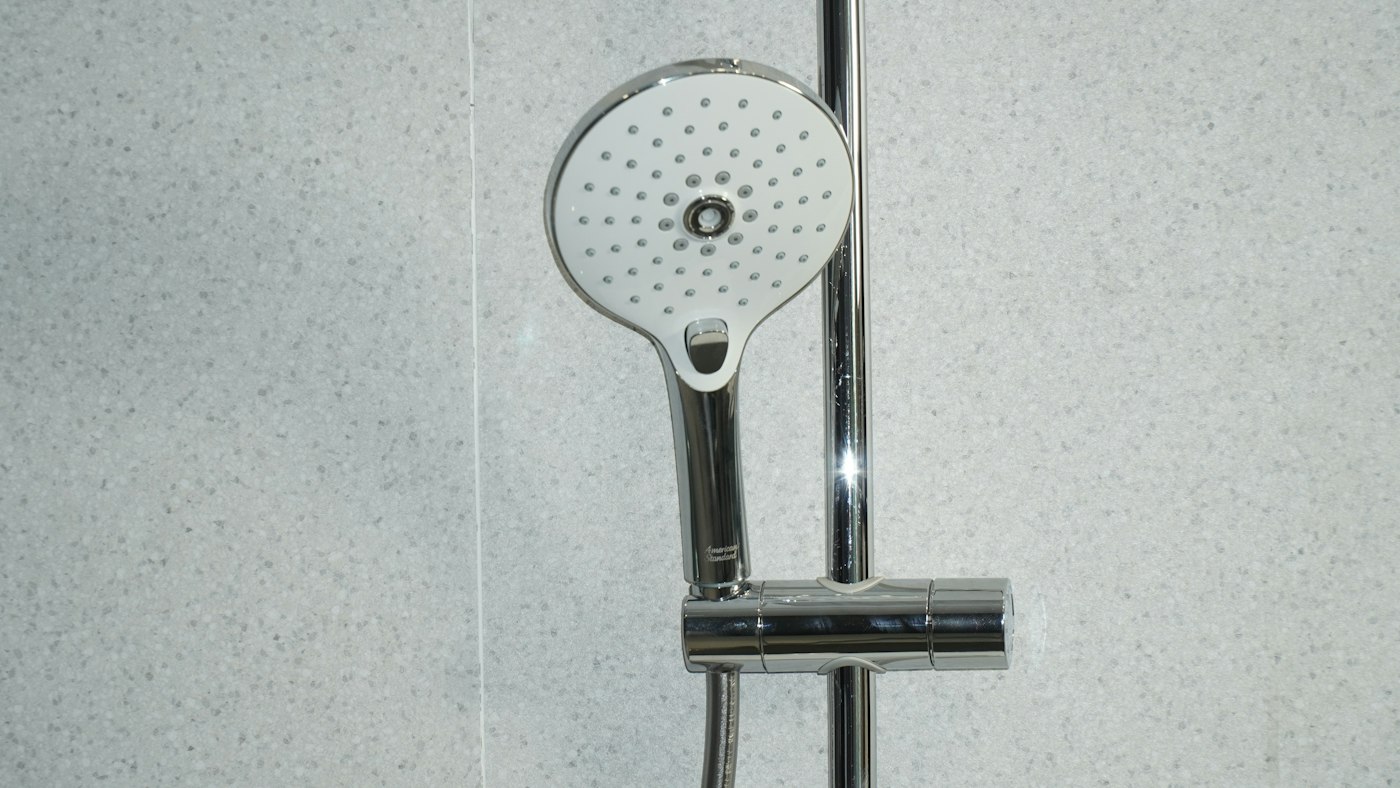
Showerheads are where engineering has improved the most. Instead of simply choking the flow, efficient designs shape it. Some narrow the nozzles so each stream exits with more velocity. Some pulse the water or inject air so droplets feel larger. Others use a pressure-compensating valve that keeps the flow steady whether your home’s water pressure is high or low, which is also why they feel consistent in upstairs bathrooms. The result is a shower that feels as strong as an older head while delivering less water per minute. If you prefer a rain-style head, know that the sensation is gentler by design and not a sign of low performance.
Toilets: Bowl Design, Not Just Tank Size
Federal standards have limited toilet water use for decades, and the WaterSense label from the U.S. Environmental Protection Agency marks toilets that use even less while passing independent performance tests for clearing the bowl. The key is that modern toilets do not just put less water in the tank; they redesign how that water moves. Larger flush valves release water faster, glazed and reshaped trapways let waste pass with less resistance, and the bowl’s rim jets are angled to create a strong swirl. Pressure-assisted toilets add compressed air for a more forceful flush. Dual-flush models let you choose a reduced flush for liquid waste.
What the Label Means
Products that carry the WaterSense label have been certified to meet both efficiency and performance criteria, so the label is a shortcut past the guesswork. You can learn more about the program at epa.gov/watersense. Fixtures without the label can still be good, but the label guarantees they have been tested against a standard.
- Faucets: look for an aerator rated for a lower flow and a spray pattern you like.
- Showerheads: try one in a showroom if possible, and look for pressure compensation.
- Toilets: check the flush performance rating as well as the water use.
Fitting Them Into a Remodel
Water-saving fixtures install the same way as any other, so they add no complexity to a bathroom or kitchen project. The only planning note is for showers with multiple heads or body sprays, where the total flow of everything running at once matters for both water use and the capacity of your water heater. A plumber can help size the system. Beyond that, choosing efficient fixtures is one of the easiest decisions in a remodel: good for the water bill, good for the region’s water supply, and no longer a compromise in comfort.
Choosing Efficient Fixtures Step by Step
When we help homeowners select water-saving fixtures, we focus on performance first and efficiency second, since a fixture that works well will actually be used as intended.
- Know your water pressure. Very low or very high pressure affects how a fixture performs. A plumber can measure it, and pressure-compensating designs help smooth out differences.
- Decide how each fixture will be used. A kitchen faucet that fills large pots has different needs from a powder room faucet used mostly for hand washing.
- Test in person where possible. Many showrooms have working displays, which are especially helpful for showerheads.
- Check certifications. Look for the WaterSense label and any performance ratings provided by the manufacturer.
- Consider maintenance. Fixtures with easy-clean nozzles or removable aerators are simpler to keep performing well in hard-water areas.
- Coordinate finishes and styles so efficient fixtures fit the design of the room.
Keeping Efficient Fixtures Working Well
Water-saving fixtures depend on small openings and precise components, so a little maintenance goes a long way.
- Clean aerators periodically. Unscrew the aerator and rinse out debris, or soak it in a descaling solution if mineral buildup is visible.
- Rub showerhead nozzles. Many showerheads have flexible rubber nozzles that can be cleared of buildup by rubbing them with a finger.
- Check toilet components. Listen for a toilet that runs after flushing, and check the flapper or seal if it does. A leaking flapper wastes water quietly.
- Use the right cleaners. Harsh products can damage seals and finishes, so follow the manufacturer’s recommendations.
Common Misconceptions
- “Low flow means weak pressure.” Flow rate and pressure are different things. Modern designs use pressure efficiently to deliver a satisfying stream.
- “Efficient toilets clog more.” Older early-generation models may have had problems, but current certified models are tested for flush performance.
- “Removing the flow restrictor is harmless.” Altering a fixture can void warranties, affect performance and increase water and energy use.
- “Water savings do not affect energy.” Using less hot water at faucets and showers also reduces the energy needed to heat it.
Water-Saving Questions We Hear
Can I install efficient fixtures without a full remodel?
Yes. Faucet aerators and showerheads are often simple swaps, and toilets can be replaced individually. These upgrades can be done anytime, though a remodel is a natural moment to update everything at once.
Do rain showerheads use more water?
Not necessarily. Many rain-style heads are available in efficient versions. Their wide spray simply creates a gentler sensation.
How do I know if my current toilet is inefficient?
Many toilets have the flush volume stamped inside the tank or on the bowl near the hinge. Older toilets may use significantly more water per flush than modern models.
Do efficient fixtures cost more?
Efficient options are available across a wide range of styles and price points. Your plumber or supplier can help you compare models that meet your needs.