
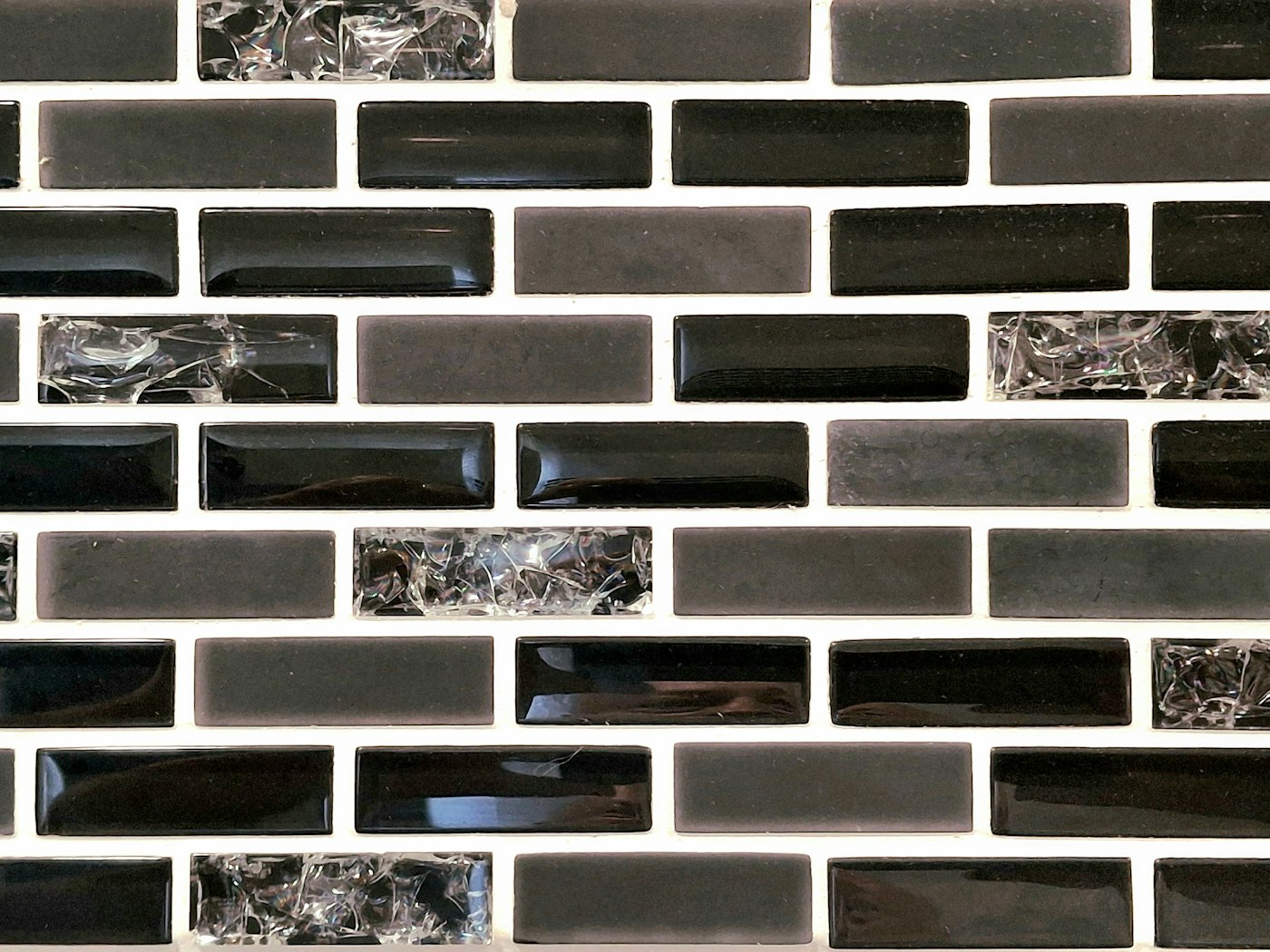
Grout is easy to overlook when you are focused on choosing beautiful tile, but it can change the whole personality of a surface. The same tile can look busy or calm, traditional or modern, depending on the grout. Grout also plays a big role in how much cleaning a floor or shower will need over the years.
What Grout Does
Grout fills the joints between tiles. It locks the tiles in place, keeps debris out of the gaps and helps distribute small movements across the surface. It is not, on its own, a waterproofing layer. In showers and other wet areas, the waterproofing happens behind the tile, which is why proper installation of that layer matters so much.
Choosing a Grout Color
Grout color is mostly a design decision, but it has practical effects too.
- Matching grout blends with the tile and creates a calm, unified surface. It is a good choice when you want the tile itself to be the focus or want a space to feel larger.
- Contrasting grout outlines each tile, emphasizing the pattern and shape. It works well with classic subway tile or geometric shapes when you want a graphic look.
- Mid-tone grout, such as a soft gray or warm beige, is forgiving and tends to hide everyday dirt better than bright white, especially on floors.
Look at grout samples next to your tile in the actual room lighting. Grout often dries a slightly different shade than it looks when wet, so manufacturers’ color samples are the best guide.
Grout Width
The width of the joints affects both looks and installation. Narrow joints give a cleaner, more contemporary appearance and less grout to clean. However, the right joint width depends on the tile. Handmade and natural stone tiles with irregular edges often need wider joints, and tile manufacturers usually recommend a minimum joint size for their products. Rectified tiles, which have precisely cut edges, can often be set with tighter joints.
Types of Grout
There are several grout types, each with strengths. Cement-based grouts come in sanded and unsanded versions. Sanded grout is generally used for wider joints, while unsanded grout is used for very narrow joints and can be gentler on delicate tile surfaces. Many cement grouts benefit from sealing to help resist stains.
Epoxy grouts are highly stain resistant and generally do not require sealing, which makes them appealing for kitchen backsplashes, countertops and busy showers. They can be more demanding to install. There are also premixed and urethane-based grouts with their own working properties. An experienced installer can recommend the best fit for your tile and location.
Keeping Grout Looking Good
- Wipe showers down or use a squeegee after use to limit soap scum and moisture.
- Use cleaners that are compatible with your grout and tile; harsh acids can damage both.
- Reseal cement-based grout as the manufacturer recommends.
- Address cracked or missing grout promptly, especially in wet areas.
Grout is a small detail that shows up every single day. If you are planning a tile project and want help balancing looks and upkeep, reach out through our contact page.
How Grout Is Installed, and Why Each Step Matters
Good grout starts with good installation. Even the best product can crack, discolor or wash out if it is rushed. Here is how a careful grout job generally goes.
- Let the tile set. The mortar beneath the tile needs to cure before grouting. Grouting too soon can disturb tiles or trap moisture.
- Clean the joints. Spacers, excess mortar and debris are removed so grout can fill the joint fully.
- Protect sensitive tile. Some natural stone and certain glazes may need a sealer or grout release before grouting so pigments do not stain the surface.
- Mix carefully. Cement grouts are mixed to the manufacturer’s directions. Too much water weakens grout and can lead to uneven color.
- Pack the joints. Grout is pressed in at an angle with a rubber float so joints are filled completely, without voids.
- Clean in stages. Excess grout is removed with a damp sponge, rinsed often, followed by a final haze cleanup once the grout has firmed.
- Use flexible sealant at changes of plane. Corners, where walls meet floors and where tile meets a tub, usually get a flexible sealant rather than grout, because these spots move slightly and rigid grout tends to crack there.
- Cure and seal. Allow the grout to cure before heavy use, and seal cement grout when the manufacturer says it is ready.
Design Combinations That Work
- White subway tile with white grout: Soft, clean and timeless, though it shows dirt more on floors.
- White subway tile with charcoal grout: A crisp, graphic look that highlights a herringbone or stacked pattern.
- Wood-look porcelain with grout matched to the darkest tone: Helps the planks read as continuous boards.
- Marble-look tile with a pale gray grout: Minimizes the grid and lets the veining take the lead.
- Colorful zellige or handmade tile with a neutral grout: Lets the color variation shine while forgiving uneven edges.
Grout Mistakes and How to Avoid Them
Choosing bright white grout for a busy floor
Kitchen and entry floors collect dirt quickly. A mid-tone grout or a stain-resistant type will look fresh far longer.
Grouting corners and tub joints
These joints flex, so rigid grout often cracks. Flexible sealant in a matching color is the more durable solution.
Using the wrong cleaner
Harsh acidic or abrasive cleaners can erode cement grout and damage some tiles. Stick to cleaners that are compatible with both, and test in an inconspicuous spot first.
Ignoring early cracks
Small cracks in a shower can let water reach the setting bed. Repairing them early is simple. Waiting can lead to bigger repairs.
Questions About Grout We Hear Often
Can old grout be refreshed instead of replaced? Often, yes. A deep cleaning, a grout colorant or removing and replacing the top portion of grout can renew a surface when the tile itself is in good shape.
How do I know when to reseal? Sprinkle a few drops of water on the grout. If it darkens quickly, the grout is absorbing water and is likely ready for sealing.
Why does my new grout look blotchy? Uneven color can come from inconsistent mixing, too much water during cleanup or differences in how quickly areas dried. Some issues can be corrected with a colorant, so ask before attempting a fix.
Does epoxy grout look different? Epoxy can have a slightly different sheen than cement grout, and color selection varies by brand. Look at a cured sample next to your tile before deciding.


