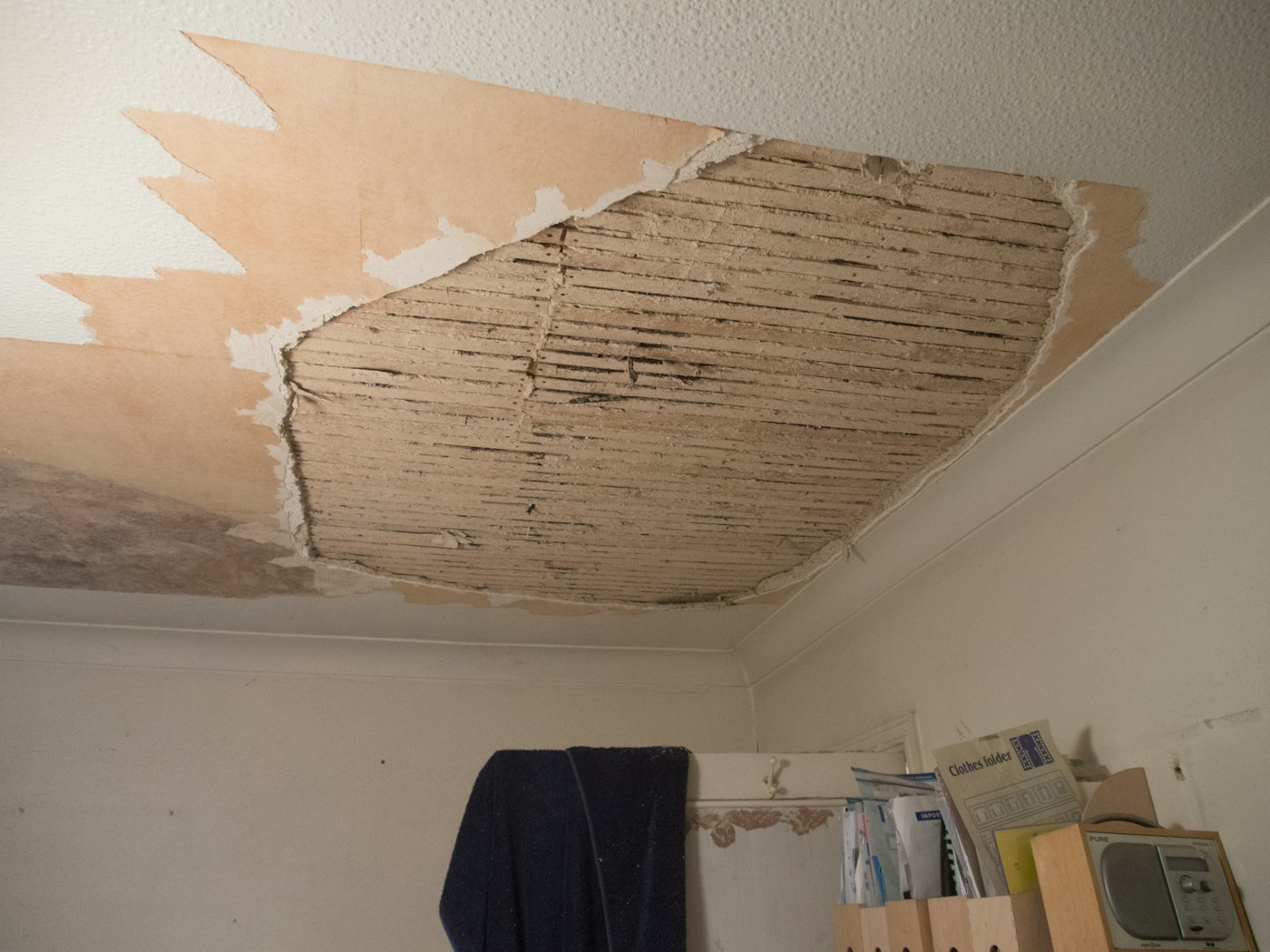
Every remodel makes dust. Demolition releases plaster, drywall and old insulation, cutting tile and stone throws off fine powder, and sanding fills the air with particles small enough to drift through the whole house. In summer, with windows closed and the air conditioning running, a central system can carry that dust into every room. Good containment keeps it where it belongs and makes living through a project far more pleasant.
Physical barriers
The first line of defense is separating the work area from the rest of the house. Crews commonly use plastic sheeting held by spring-loaded poles from floor to ceiling, with zippered doorways that let workers pass while the barrier stays closed. Doorways that are not needed can be sealed with plastic and tape.
Floors along the path in and out should be covered with protective material, and sticky mats at the exit of the work zone catch dust on boots. Doors between the work area and finished rooms should stay closed.
Negative air pressure
Barriers slow dust, but air always finds a gap. Many contractors set up negative pressure in the work zone by running a fan that exhausts air from the zone to the outdoors, often through a window. Because more air leaves the work area than enters it, air flows from the clean side toward the dusty side through any gap, instead of the other way around. A portable air scrubber with a HEPA filter can clean the air inside the zone as well.
Protecting the heating and cooling system
A forced-air system is a highway for dust. Supply registers, and especially return grilles, in or near the work zone should be sealed or covered during dusty phases so the system does not pull debris into the ducts and spread it everywhere. Some crews shut the system down during the dirtiest work.
- Ask your contractor how returns and supply registers will be protected.
- Check and change the system’s air filter more often during construction.
- Consider having ducts inspected after a major project if returns were left exposed.
- Never run central air with open returns in a room where drywall is being sanded.
Dust that needs extra care
Two kinds of dust deserve special caution. In homes built before 1978, paint may contain lead. Contractors who disturb paint in these homes are generally required to follow the EPA’s lead-safe renovation practices, which include containment, specialized cleaning and cleaning verification.
Cutting concrete, stone, tile, brick and fiber cement can release crystalline silica, which is harmful to breathe. Wet cutting, saws with dust collection and cutting outdoors whenever possible reduce exposure for the crew and the household.
Cleanup and daily habits
A well-run job cleans up every day, using HEPA-filtered vacuums rather than brooms, which kick fine dust back into the air. At the end of the project, a thorough cleaning of surfaces, light fixtures, vents and window sills, inside the work zone and just beyond it, finishes the job. If anyone in the household has asthma or other breathing concerns, talk with a doctor before the work begins and share those concerns with your contractor so the plan accounts for them.
Planning Containment Before Work Begins
Containment works best when it is planned, not improvised on demolition day. Before work starts, a good contractor will walk through these decisions with you.
- Define the work zone. Mark exactly which rooms or parts of rooms are inside the barrier and which must stay clean.
- Choose the path. Decide how workers, tools and debris will move between the zone and the outside. A path straight to an exterior door, or even through a window, keeps traffic out of finished rooms.
- Locate the exhaust. Pick a window or door where a fan can push air outdoors without blowing dust toward a neighbor’s open window or your own outdoor living space.
- Map the HVAC. Identify every supply register and return grille in and near the zone, and decide how each will be sealed and when the system may need to be shut off.
- Protect what stays. Move furniture, artwork and electronics out of nearby rooms, or cover them. Fine dust settles inside closed cabinets and drawers.
- Set daily routines. Agree on when cleanup happens and how the barrier will be checked each morning.
What Good Containment Looks Like Day to Day
Homeowners do not need to be experts to notice whether containment is working. Look for these signs:
- The plastic barrier is intact, taped at the edges and the zipper is closed when no one is passing through.
- The barrier gently bows inward toward the work area, a sign the negative air setup is pulling air the right way.
- Floor protection is in place and free of tears, and sticky mats are replaced when they stop catching dust.
- Covered returns and registers stay covered during dusty phases.
- Rooms outside the zone do not develop a film of dust on flat surfaces.
If you notice dust spreading, mention it right away. Small gaps are easy to fix early, and much harder to clean up after a week of sanding.
Mistakes That Let Dust Escape
- Taping plastic to painted walls with the wrong tape. Some tapes peel paint when removed, and others fall off in summer heat. Ask about tape suited to the surface.
- Running the exhaust fan only some of the time. Negative air works when it runs continuously during dusty work.
- Sweeping instead of vacuuming. Brooms send fine dust back into the air.
- Carrying debris through the house in open containers. Bagging or covering debris before it leaves the zone keeps it from scattering.
- Leaving the furnace filter until the end. A filter loaded with construction dust restricts airflow and stops protecting the system.
Living in the House During the Project
With planning, most families can stay home through a remodel. A few habits make it easier:
- Keep doors to bedrooms closed during working hours.
- Run a portable HEPA air cleaner in the main living area.
- Store clean clothes and linens in closed containers if work is near bedrooms.
- Plan for pets, who can track dust and may be stressed by noise; a quiet room far from the work or a stay elsewhere during demolition can help.
Questions Readers Ask
Should ducts be cleaned after a remodel?
If returns were protected, it may not be necessary. If dust got into the system, an inspection can show whether cleaning would help.
How long does dust keep settling after work stops?
Fine particles can stay airborne for some time. A final HEPA vacuuming and wipe-down a day or two after the last dusty work catches what settles late.
Is containment needed for a small project?
Even a single cut in drywall can spread dust. The setup can be simpler, but some barrier and register protection is still worthwhile.