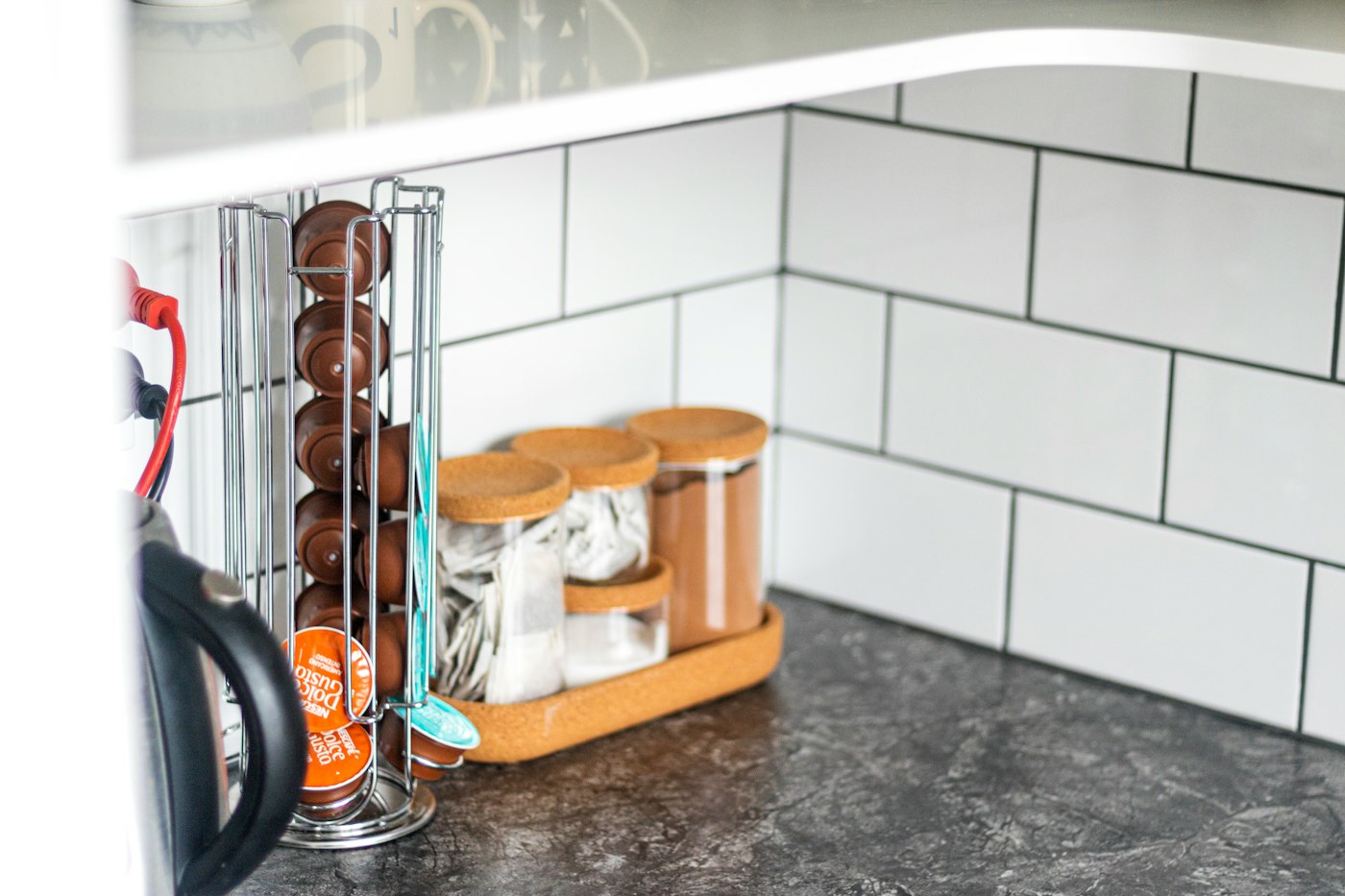
The backsplash is one of the most expressive parts of a kitchen. It protects the wall behind the counter from splashes and grease, and it gives you a chance to add color, texture or pattern. Because it covers a relatively small area, it is also a place where many homeowners feel comfortable taking a design risk. Here is how popular backsplash materials compare.
Ceramic and Porcelain Tile
Ceramic and porcelain tiles are the most common backsplash choice for good reason. They are durable, easy to clean and available in endless colors, sizes and shapes, from classic subway tile to handmade-look squares, hexagons and decorative patterns. Glazed surfaces wipe clean easily. The main maintenance consideration is the grout, which can absorb stains near the range. Choosing a stain-resistant grout and a sensible joint width helps.
Natural Stone
Marble, travertine, limestone and slate bring natural variation and depth to a backsplash. Stone can be installed as tile, mosaic or as a full slab that matches or complements the countertop. Many stones are porous and benefit from sealing, and some, such as marble, can etch when exposed to acidic foods. For homeowners who love the look and accept a patina over time, stone can be stunning.
Glass Tile
Glass tile reflects light, which can brighten a kitchen and add a luminous quality. It is nonporous and easy to wipe down. Glass can show the adhesive and wall behind it if not installed carefully, so it calls for an installer comfortable with the material. It also tends to emphasize uneven walls, so surface preparation matters.
Another increasingly popular approach is the full-height slab. Running a slab of quartz, stone or porcelain up the wall from the countertop creates a seamless, sophisticated look with no grout lines. It is especially popular behind ranges, where it makes cleanup simple. Slabs require precise measuring and fabrication and careful planning around outlets and windows.
Other Options
- Metal: Stainless steel, copper or tin panels suit industrial and vintage styles. Some metals show scratches or develop a patina.
- Painted surfaces: A washable paint can work in low-splash areas, though it offers less protection than tile.
- Wood: Sealed wood planks add warmth but need protection from moisture and heat, and may not suit areas behind cooktops. Check local code and manufacturer guidance near cooking appliances.
Practical Planning Tips
- Decide how high the backsplash will go. Options range from a short band above the counter to full height up to the upper cabinets or ceiling.
- Plan outlet locations so they do not interrupt a pattern awkwardly; under-cabinet outlet strips are one option.
- Choose the countertop first, then select a backsplash that complements it.
- Look at samples under your kitchen’s lighting, since glossy tiles reflect light differently than matte ones.
A backsplash is a relatively small surface with a big impact. If you are planning a kitchen update and want help choosing materials, reach out through our contact page.
Choosing a Backsplash, Step by Step
Because so many materials can work, a clear process keeps the choice from becoming overwhelming.
- Start with the fixed elements. Gather samples of your countertop, cabinet color and flooring. The backsplash should tie them together, not compete with all three.
- Decide the role of the backsplash. Should it be a quiet background or the star of the kitchen? If your countertop has bold veining, a simple backsplash often looks best. If the counter is plain, the backsplash can carry more pattern.
- Consider how you cook. Heavy frying and simmering mean more grease near the range. Smooth, glazed or nonporous surfaces with minimal grout are easier to keep clean in that zone.
- Choose the extent. Decide whether the backsplash runs to the bottom of the upper cabinets, to the ceiling on open walls or only behind the range as a focal point.
- Plan the edges. Determine where the backsplash will stop at open ends, windows and walls without cabinets. Clean terminations, such as a finished tile edge or a metal profile, make the job look complete.
- Test a sample board. Lay out several tiles with grout color on a piece of board and lean it against the wall for a few days.
Layout Patterns and How They Change the Look
- Running bond, or offset: The classic brick-like layout for subway tile. It feels familiar and relaxed.
- Stacked: Tiles aligned in a grid, horizontally or vertically. A clean, modern look that highlights the tile’s shape.
- Herringbone: Rectangular tiles set in a zigzag pattern. It adds movement and craftsmanship, though it takes more time to install.
- Chevron: Similar to herringbone but with angled ends, creating a continuous V shape.
- Vertical stack: Rectangular tiles set upright can make low spaces feel taller.
Pattern, tile size and grout color all work together. A herringbone layout with a contrasting grout is bold, while the same pattern with matching grout is subtle and textural.
Backsplash Mistakes We See
Choosing before the countertop
A backsplash chosen first can clash with the countertop you later fall in love with. Choose the countertop first whenever possible.
Forgetting the window and trim details
Windows above the sink, open shelves and range hoods all interrupt the backsplash. Plan how tile will meet each one.
Overlooking switch and outlet covers
Standard plates can stand out against a beautiful tile. Consider covers in a color that matches the tile, or relocating outlets under the cabinets.
Ordering too little
Patterns like herringbone produce more cuts and waste. Order extra and keep spares for future repairs.
Backsplash Questions Homeowners Ask
Can a backsplash be installed over existing tile? In some cases it is possible if the existing tile is sound, but it adds thickness at outlets and edges. Removing the old tile often gives a better result.
What is the easiest backsplash to clean? Full-height slabs and large-format glazed tiles have fewer grout lines and wipe down quickly.
Should the backsplash match the countertop? A matching slab looks seamless, while a contrasting tile adds interest. Either can work, depending on how bold the countertop is.
How do I protect a stone backsplash? Seal it as the fabricator or manufacturer recommends, wipe spills promptly and avoid acidic or abrasive cleaners.
How long will a backsplash take to install? It depends on the material, the pattern and the amount of cutting around outlets and windows. Intricate patterns and natural stone generally take longer than simple field tile.