
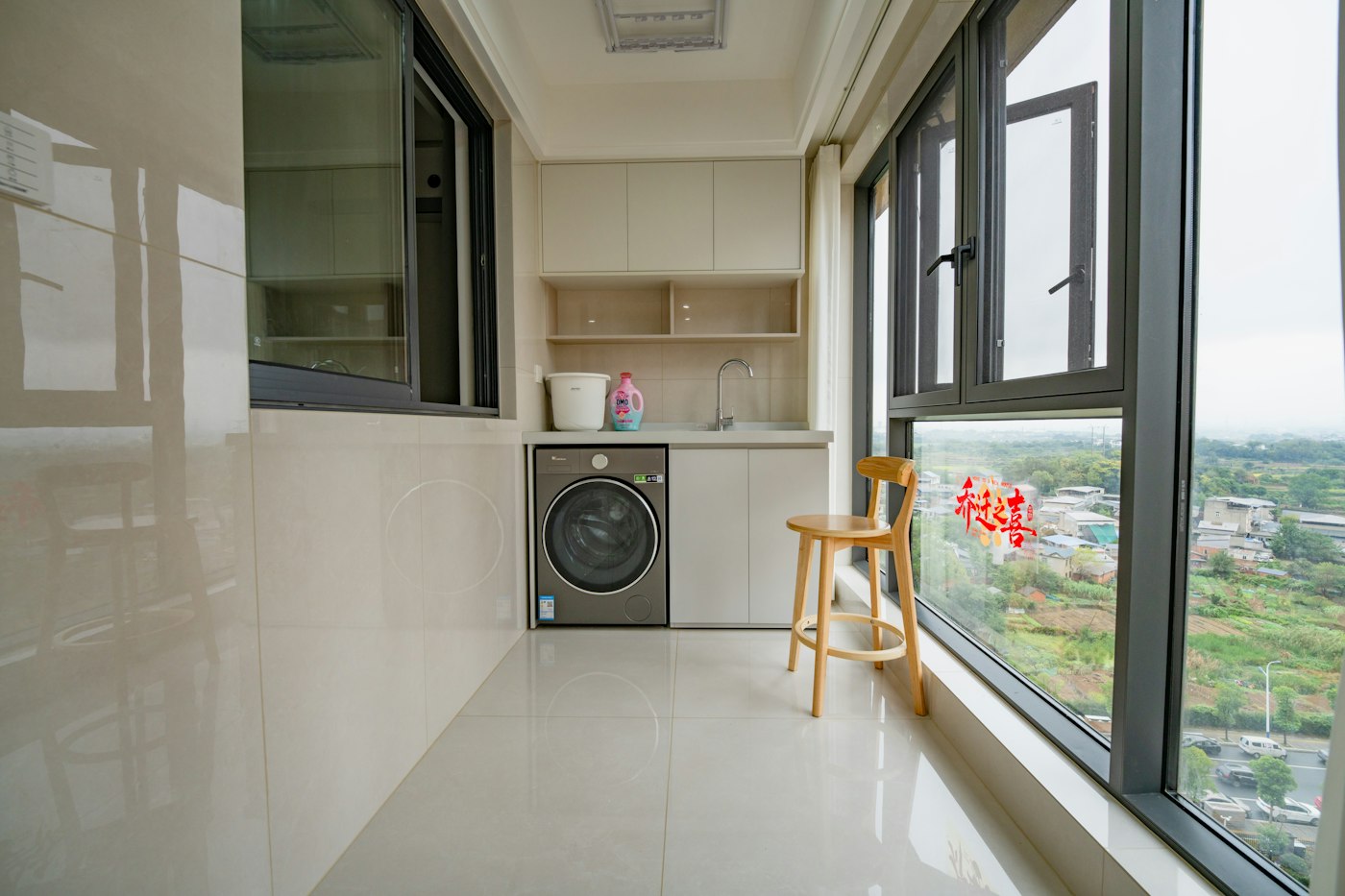
The laundry room is one of the hardest-working spaces in a home, yet it is often the last to get attention. In many houses it is a cramped closet or a dim corner of the basement. A thoughtful remodel can turn it into an efficient, pleasant space that makes a never-ending chore a little easier.
Start With Location and Layout
Where your laundry lives affects how you use it. Laundry near bedrooms means less carrying of baskets up and down stairs. Laundry near a mudroom or garage entry makes it easy to handle muddy sports uniforms and wet winter gear. Relocating laundry involves plumbing, electrical and venting work, so it is worth weighing carefully, but in a larger remodel it can be a meaningful upgrade.
Within the room, think about the flow of tasks: sorting, washing, drying, folding, hanging and putting away. A layout that follows that sequence reduces wasted steps.
Side-by-Side or Stacked?
Side-by-side machines allow a countertop above front-loaders, which creates a convenient folding surface. Stacked units save floor space and can fit into a closet or narrow room. If you choose stacked machines, look for a nearby surface for folding, such as a fold-down shelf or a small counter. Pedestals raise front-loading machines to reduce bending, though they make a countertop above the machines impractical.
Storage and Work Surfaces
- Countertop: A durable surface for folding, ideally water-resistant.
- Upper cabinets or shelves: Store detergents and supplies out of reach of small children.
- Hanging rod: A place to hang shirts straight from the dryer or air-dry delicate items.
- Pull-out hampers: Pre-sort laundry by color or by family member.
- Narrow pull-outs: Fill the gap between machines or beside them with storage for small items.
- Utility sink: Handy for soaking, hand-washing and cleanup.
Surfaces, Utilities and Safety
Laundry rooms deal with water, so flooring should handle the occasional spill or leak. Tile, luxury vinyl and sealed concrete are common choices. A floor drain or a drain pan under the washer can provide added protection in some installations. Washing machine supply hoses wear over time, and many homeowners choose reinforced hoses or leak-detection devices for peace of mind.
Dryers need proper venting to the outside. Short, smooth, rigid or semi-rigid metal ducts are generally recommended over flexible plastic or foil, which can trap lint. Cleaning the lint trap with every load and the vent duct periodically helps reduce fire risk, according to fire safety guidance from organizations such as the U.S. Fire Administration. Gas dryers and electric dryers have different utility requirements, so confirm what your home supports, and use licensed professionals for gas and electrical connections.
Make It a Pleasant Place to Be
Good lighting helps you spot stains and match socks. A cheerful paint color, a durable backsplash behind the sink and a comfortable mat can make the room feel more inviting. In homes where laundry shares space with other uses, such as a mudroom or pet-washing station, plan zones so each function has room to work.
A well-designed laundry room will not make the laundry disappear, but it can make it far less of a chore. If you are planning a laundry upgrade, reach out through our contact page.
Planning a Laundry Room, Step by Step
A laundry room is a small space with a lot of moving parts. Planning in order helps everything fit.
- Choose the machines first. Decide on side-by-side or stacked, front-load or top-load, and gas or electric dryer. Note exact dimensions, door swings and utility requirements.
- Confirm utilities. Check water supply, drain, electrical circuits and outlets, gas line if needed and the dryer vent path to the outside.
- Map the workflow. Arrange the space so laundry moves logically from sorting to washing, drying, folding and hanging.
- Plan storage. Decide what needs to be stored: detergents, stain removers, cleaning supplies, extra towels, an ironing board or a drying rack.
- Add work surfaces. Plan a folding counter and, if space allows, a utility sink.
- Light it well. Combine ceiling light with task lighting over the folding area and sink.
- Choose durable finishes. Select flooring, wall paint and countertops that can handle moisture and frequent cleaning.
Laundry Ideas for Different Spaces
The laundry closet
Stacked machines, a shelf above for supplies and a fold-down counter on a nearby wall can make a closet surprisingly functional. Bifold or sliding doors with ventilation help with airflow.
The basement laundry
Basements often offer more space but less light. Bright lighting, a light-colored floor and a clear folding area make the space more pleasant. Address any moisture concerns before adding cabinetry.
The mudroom combination
Laundry near the entry handles muddy clothes and wet gear immediately. Plan separate zones so coats and boots do not crowd the machines.
The upstairs laundry
Laundry near bedrooms saves carrying baskets, but leak protection is especially important on upper floors. Consider a drain pan and a leak sensor or automatic shutoff valve.
Laundry Room Mistakes to Avoid
- No folding surface. Without a counter or table, clean laundry ends up on the bed or the couch.
- Cabinets too close to the machines. Leave clearance above and around machines so doors open fully and lids lift without hitting anything.
- Poor dryer vent routing. Long, crushed or flexible plastic vents reduce performance and collect lint. Plan a short, direct path to the outside.
- Forgetting about noise. Machines on a spin cycle can be loud. Insulation in walls and a solid door help if the laundry is near living areas or bedrooms.
- Skipping a place to hang clothes. A rod or hooks keep shirts from wrinkling and give delicate items a place to dry.
Laundry Room Questions Homeowners Ask
Can I move my laundry to another floor? Often, yes, but it involves running water lines, drains, electrical circuits and a dryer vent. It is most practical as part of a larger remodel.
What countertop works over front-loaders? Laminate, quartz, butcher block and solid surface can all work. Allow some space between the counter and the machines so vibration does not transfer to the counter.
Is a utility sink worth the space? For households with pets, sports, gardening or lots of stain treating, a utility sink is often one of the most appreciated features in the room.
How can I make laundry less of a chore? Give each family member a basket or hamper, set up a sorting system and keep supplies within reach. Small efficiencies add up over time.


