For busy households, the most beautiful home is often the one that stays looking good without constant upkeep. Children, pets, work schedules and frequent guests all put finishes to the test. Choosing materials with maintenance in mind during a remodel can save time and stress for years to come. Here are options many families find forgiving.
Floors That Handle Real Life
- Luxury vinyl plank: Resists scratches and surface water and is easy to sweep and mop. A textured, wood-look surface helps hide scuffs.
- Porcelain tile: Very durable and water resistant. Pair it with a mid-tone grout to hide dirt.
- Hardwood with a matte finish: Lower sheens and lively grain patterns tend to hide scratches and dust better than glossy finishes and very uniform wood.
Color matters as much as material. Very dark and very light floors show dust, pet hair and footprints more than mid-tone floors with some variation.
Countertops That Shrug Off Spills
Quartz is a popular low-maintenance choice because it is nonporous and does not need sealing. Patterned or veined quartz hides crumbs and smudges better than solid colors. Granite is durable and heat tolerant, though it may need periodic sealing. Solid surface materials can sometimes be sanded to remove minor scratches. Softer stones like marble are beautiful but tend to require more care, so they may suit households willing to embrace a patina.
Walls and Cabinets
Scrubbable paints in eggshell or satin sheens make it easier to wipe off fingerprints and scuffs in busy areas. In kitchens, mudrooms and hallways, wainscoting or beadboard on lower walls adds durability. For cabinets, finishes like painted or stained wood in mid-tones can hide wear better than stark white or very dark colors. Textured wood grain hides fingerprints more than flat, glossy surfaces. Cabinet hardware that is easy to grip reduces fingerprints on doors.
Fixtures and Surfaces in Bathrooms
- Brushed or satin finishes on faucets hide water spots better than polished ones.
- Larger tiles on shower walls mean fewer grout lines to clean.
- Epoxy or stain-resistant grout holds up well in showers and on floors.
- Frameless glass with a protective coating may reduce water spots, depending on the product.
- Wall-mounted vanities and toilets make floors easier to clean.
- Undermount sinks let you wipe counters straight into the bowl.
Fabrics and Finishing Touches
While not part of the construction itself, durable performance fabrics, washable rugs and wipeable window treatments complement low-maintenance finishes. Storage also plays a role in keeping a home easier to maintain. Closed cabinets hide clutter, drop zones near entries contain mess and drawers with dividers keep essentials organized. The less that sits out, the less there is to clean.
No material is truly maintenance-free, but thoughtful choices can make daily life easier. If you are planning a remodel with a busy household in mind, reach out through our contact page and we can talk through durable options for each room.
Choosing Low-Maintenance Materials Room by Room
The right low-maintenance choice depends on what a room endures. Here is how we think through the spaces that see the most wear.
Entries and Mudrooms
These rooms take the brunt of wet boots, sports gear and pet paws. Porcelain tile or durable vinyl on the floor, a built-in bench with closed storage, hooks at heights everyone can reach and a washable rug near the door keep the mess contained. Wainscoting or a scrubbable paint on the lower walls helps with scuffs.
Kitchens
Combine a nonporous or easily maintained countertop with a backsplash that has minimal grout or uses larger tiles. Cabinet interiors with wipeable surfaces, drawer liners and a pull-out trash and recycling center make daily cleanup easier.
Family and Hall Bathrooms
Choose a vanity top with an integrated or undermount sink, a faucet with a forgiving finish, large-format tile on walls and a floor tile with some texture for grip. Good ventilation reduces mildew and peeling paint, which are two of the most common bathroom complaints.
Laundry Rooms
Water-resistant flooring, a utility sink with a durable surface, wall cabinets to keep supplies off counters and a countertop over front-loading machines for folding all simplify routines.
Low-Maintenance Mistakes to Avoid
- Assuming “durable” means “no care.” Even forgiving materials need routine cleaning with appropriate products. Using harsh cleaners on the wrong surface can damage finishes.
- Choosing very high-gloss finishes in busy areas. Glossy cabinets, floors and fixtures show every fingerprint and scratch.
- Forgetting the grout. A beautiful tile with a light grout on a kitchen floor can become a cleaning chore. Grout color and type matter as much as the tile.
- Overlooking the details. Textured walls, deep crevices in cabinet doors and open shelving all collect dust. Simple profiles are often easier to keep clean.
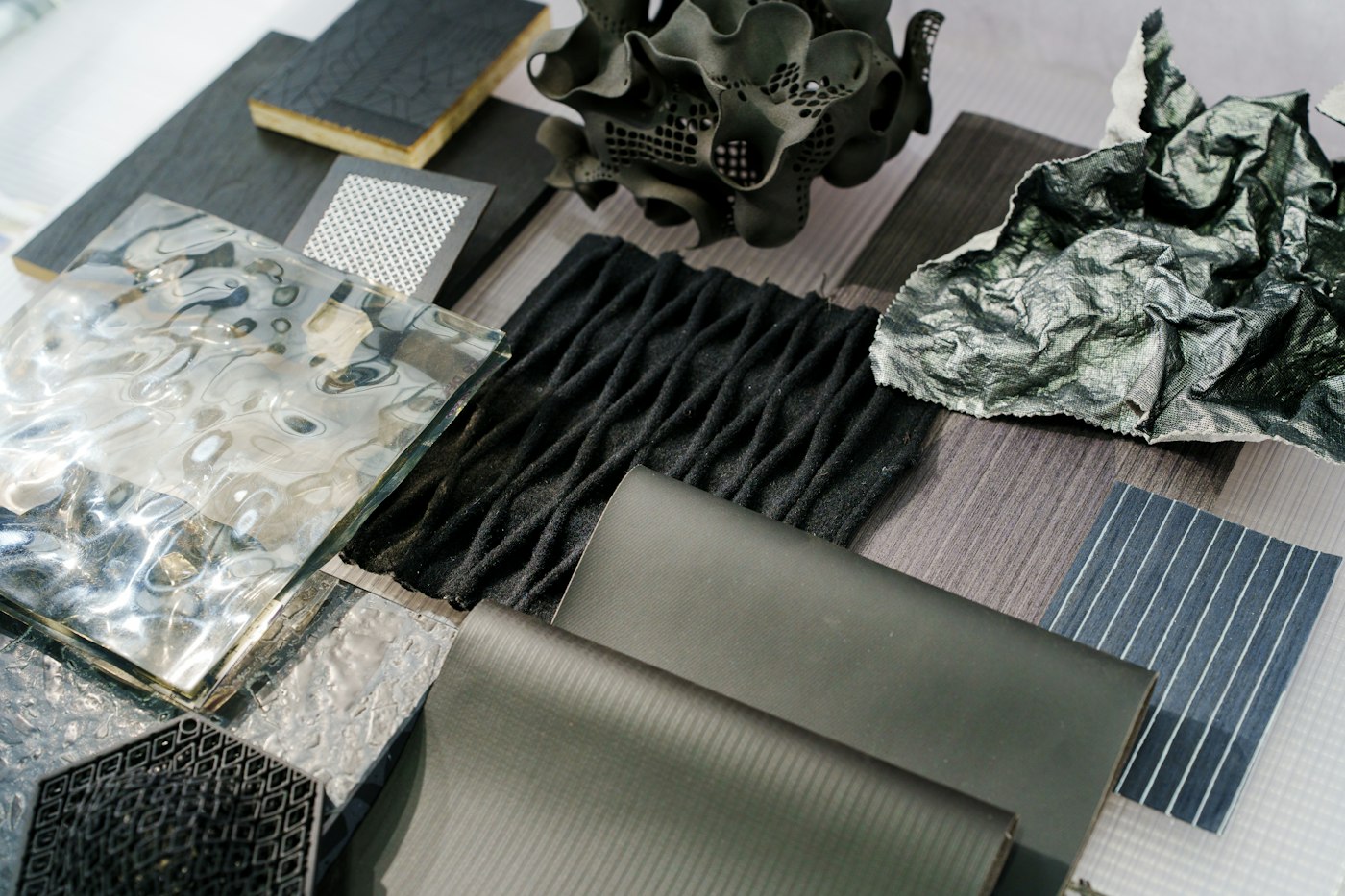
- Selecting by photo alone. Bring samples home and test how they react to water, fingerprints and a quick wipe before committing.
A Practical Test for Any Sample
Before choosing a countertop, floor or cabinet finish, we encourage homeowners to try a simple test at home with the sample.
- Drip a little water and leave it for several minutes, then wipe and look for marks.
- Touch it with clean hands and see how visible fingerprints are.
- Set it on the floor or counter where you plan to use it and look at it at different times of day.
- Sprinkle a few crumbs or a little dust and see how noticeable they are.
- Follow the manufacturer’s cleaning instructions once to see how easy the routine feels.
Some samples may not be suitable for every kind of test, so check with the supplier before applying anything that could stain or etch.
Questions Busy Households Ask
Is luxury vinyl plank a good choice with large dogs?
Many pet owners like it for its water resistance and scratch resistance, though no floor is entirely scratch-proof. Thicker wear layers and textured surfaces generally hide marks better.
What is the easiest cabinet finish to keep clean?
Mid-tone painted or stained finishes with a simple door profile tend to be forgiving. Very dark or very light colors, and high-gloss surfaces, show more.
Do I have to give up natural materials for low maintenance?
Not necessarily. Many households use natural materials in lower-traffic areas and more forgiving choices where wear is heaviest. Choosing finishes that age gracefully, such as matte hardwood or honed stone, is another approach.