
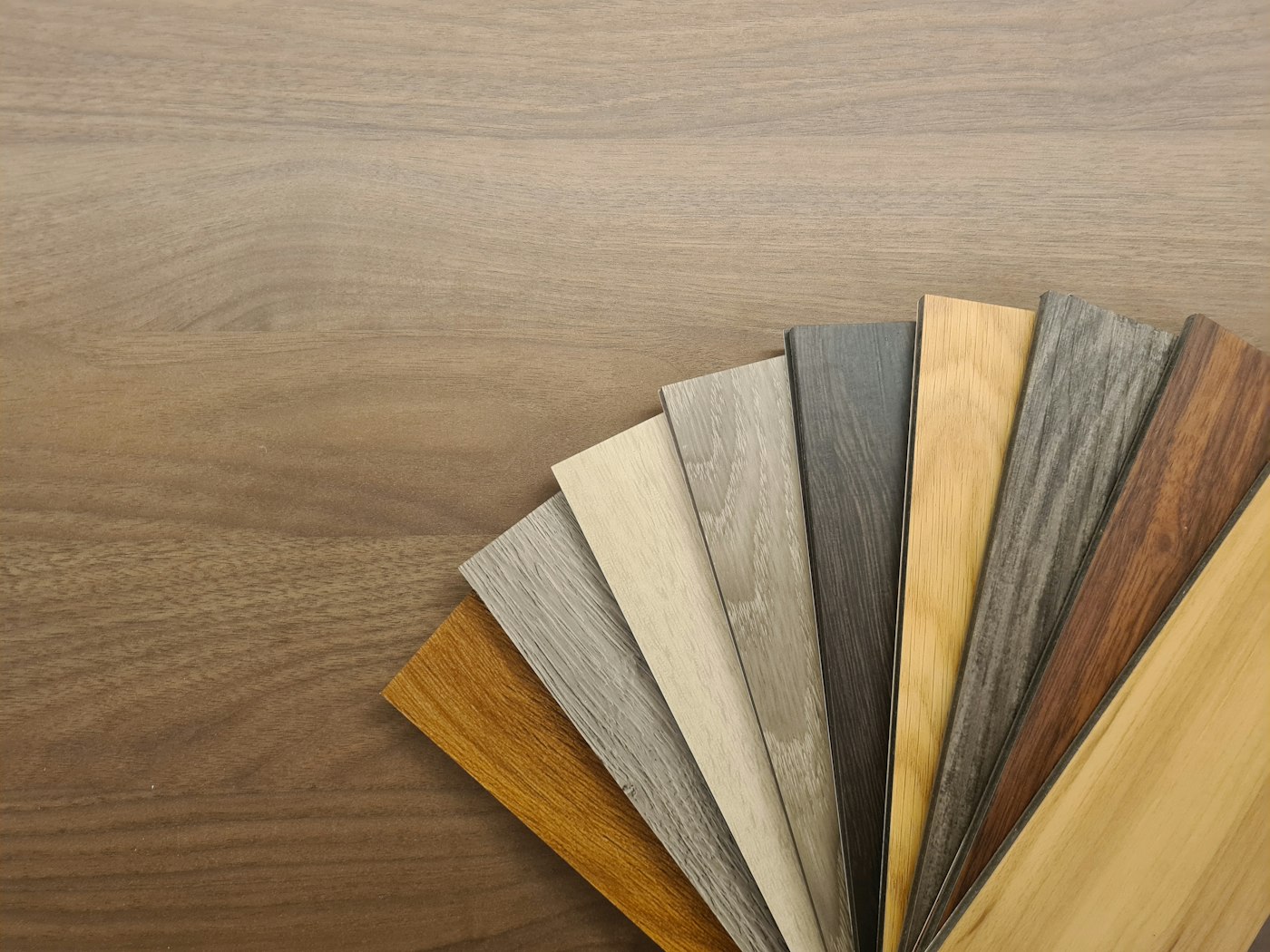
If you want floors that look like wood but need something more practical than traditional solid hardwood in certain rooms, two options usually rise to the top: luxury vinyl plank, often called LVP, and engineered hardwood. They can look similar in photos, but they are built differently and behave differently in a home.
How Each Floor Is Made
Luxury vinyl plank is a synthetic, layered product. A core layer provides stability, a printed design layer creates the wood look, and a clear wear layer on top protects that design. Many modern versions use rigid cores, sometimes described as stone-plastic or wood-plastic composites, which help them lie flat over minor subfloor imperfections.
Engineered hardwood is real wood. A top layer of hardwood, called the veneer or wear layer, is bonded to a core of plywood or similar material. The layered core makes it more dimensionally stable than solid hardwood, so it is less prone to expanding and contracting with humidity changes.
Water and Moisture
This is often the deciding factor. Many luxury vinyl products are marketed as water resistant or waterproof at the surface, which makes them popular for kitchens, laundry rooms, basements and bathrooms. Even so, standing water can find its way through seams and around edges, and moisture trapped beneath any floor can cause problems, so installation details matter.
Engineered hardwood handles humidity changes better than solid wood, but it is still wood. Spills should be wiped up promptly, and it is generally not the first choice for full bathrooms or areas prone to standing water. Check each manufacturer’s guidance for where its product can be installed.
Look, Feel and Comfort
Engineered hardwood has the genuine grain, texture and warmth of wood, because it is wood. High-quality vinyl can be very convincing, especially products with textured surfaces that follow the printed grain, but up close and underfoot many people can still tell the difference. Vinyl often feels slightly softer and can be quieter with the right underlayment. Wood tends to feel more solid and natural.
Wear, Repair and Lifespan
- Scratches: Vinyl’s wear layer resists everyday scuffs well, which appeals to households with pets and kids. Wood shows scratches more readily, though many people consider light wear part of its character.
- Refinishing: Engineered hardwood with a thick enough veneer can sometimes be sanded and refinished, which can extend its life. Vinyl cannot be refinished; damaged planks are replaced.
- Repairs: Click-together floors of either type can sometimes allow individual planks to be swapped, though it is easier when you have kept spare planks from the original installation.
Making the Choice
Many homes use both. Vinyl might go in the basement, laundry room and kids’ bath, while engineered hardwood runs through the living areas and bedrooms. Think room by room about moisture, traffic and how you want each space to feel. Order samples, put them on the floor where they will live and walk on them in socks and shoes. If you are planning new floors as part of a remodel, reach out through our contact page and we can talk through what makes sense for your rooms.
What to Look for on the Spec Sheet
Two floors that look nearly identical in a showroom can perform very differently. A few specifications tell you more than the photo on the box.
For luxury vinyl plank
- Wear layer thickness. This clear top layer protects the printed design. A thicker wear layer generally holds up better in busy rooms with pets, kids and heavy foot traffic.
- Core type. Rigid-core products tend to feel more solid underfoot and bridge small subfloor imperfections better than flexible vinyl.
- Attached underlayment. Some planks come with a pad already attached. Check whether the manufacturer allows or forbids an additional underlayment.
- Surface texture. Embossing that follows the printed grain looks more realistic and adds a little slip resistance.
For engineered hardwood
- Veneer thickness. A thicker top layer of real wood may allow sanding and refinishing in the future. A thin veneer may only allow a light screen-and-recoat.
- Species and construction. Harder species resist dents better. The core construction affects stability.
- Finish. Factory finishes vary in sheen and durability. Matte and satin finishes tend to hide scratches and dust better than glossy ones.
- Plank width and length. Wider, longer planks feel more modern and show fewer seams, while narrower boards have a more traditional look.
Installation Matters as Much as the Product
Even the best flooring will disappoint if it goes down on a poorly prepared floor. A careful installation usually includes:
- Acclimation. Many products need time in the home before installation so they adjust to its temperature and humidity. Follow the manufacturer’s directions.
- Subfloor check. The subfloor should be clean, dry, structurally sound and flat within the manufacturer’s tolerance. High and low spots are corrected before planks go down.
- Moisture testing. Concrete slabs and basements especially should be checked for moisture, and a vapor barrier used where the product calls for it.
- Expansion gaps. Floating floors need space around the edges to move. Baseboards and trim cover that gap.
- Transitions. Plan how the new floor will meet tile, carpet or other flooring at doorways, and check heights so you do not create a tripping edge.
Common Mistakes When Choosing Between the Two
- Judging by a single small sample. Lay out several planks together. Patterns in vinyl can repeat, and wood varies from board to board.
- Ignoring how rooms connect. If vinyl and wood meet in an open area, pick colors and plank sizes that look intentional together, or choose one floor for the whole space.
- Forgetting about door clearances. New flooring, especially over an existing floor, can raise the height enough that doors need trimming.
- Not keeping spares. Store a box of extra planks. Matching a discontinued color years later can be nearly impossible.
Flooring Questions Homeowners Ask
Can either floor go over radiant heat? Many products are approved for use over radiant systems, but there are usually temperature limits and installation requirements. Always check the specific manufacturer’s guidance.
Which is better with pets? Vinyl’s wear layer generally resists scratches and accidents better. If you prefer wood, a harder species with a matte, textured finish will hide wear more gracefully.
How do I clean them? Both do best with regular sweeping or vacuuming and a damp, not wet, mop with a cleaner the manufacturer approves. Felt pads under furniture legs help either floor last longer.
Is one easier to live with during installation? Click-together floating floors of either type often go in more quickly than glue-down or nail-down methods, though the right method depends on the room and the product.


