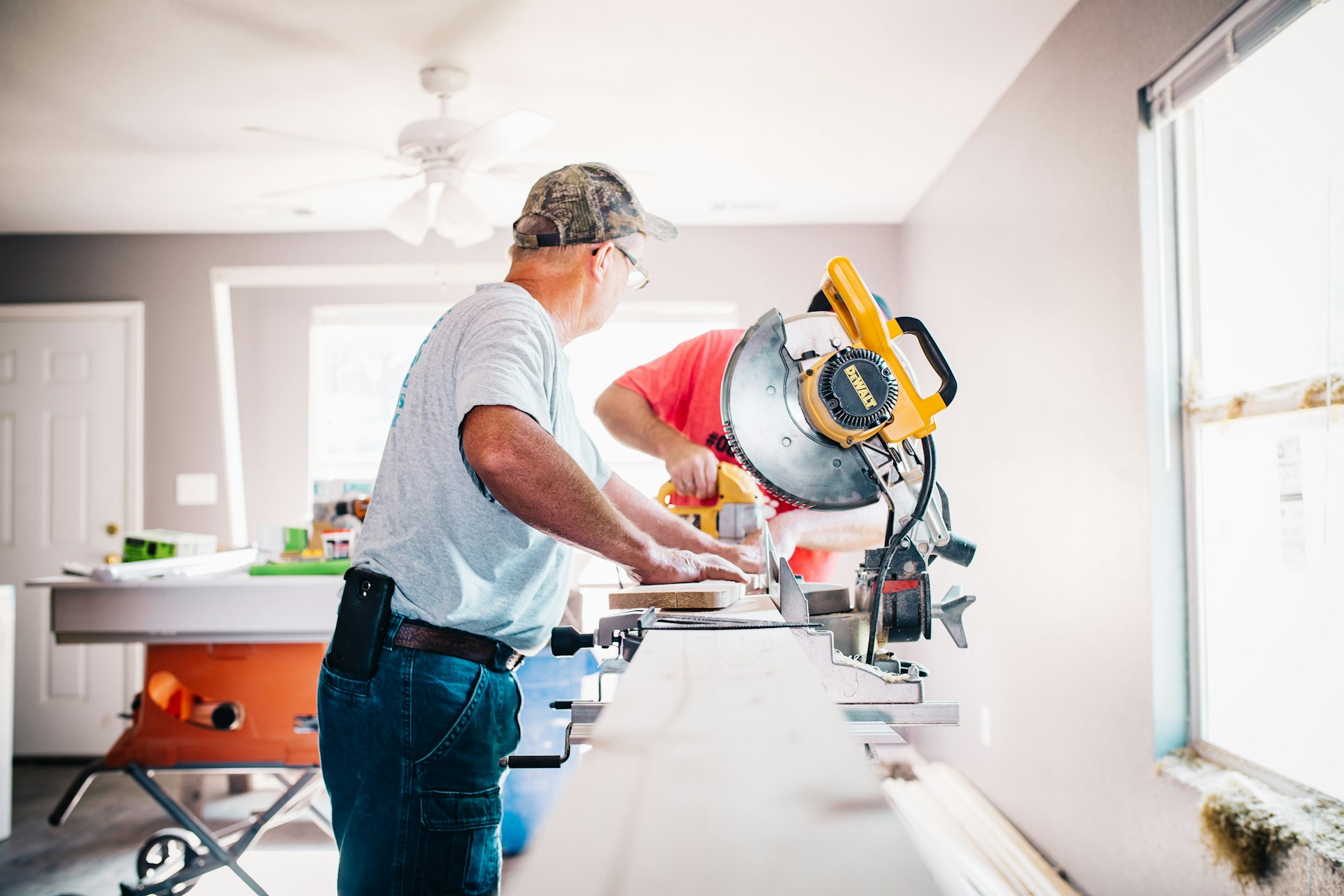
Some homeowners deliberately schedule demolition, flooring removal or other noisy, dusty phases of a remodel while they are away on a summer trip. Coming home to a gutted kitchen is easier than living through the gutting, and crews can often work more efficiently in an empty house. But a remodel that proceeds without you on site needs more planning, not less. Here is what to arrange before you leave.
Make the decisions before you go
Construction questions come up constantly, and a crew waiting for an answer is a crew not working. Before leaving, finalize every selection that will be needed during your absence, and confirm that key materials are ordered or already on site. Walk through the plan with your contractor and ask what decisions might arise, such as an outlet location or how to handle an unexpected condition behind a wall. Agree on how those will be handled and on any limits for changes made while you are away.
Set up communication
- Agree on a regular update, such as an end-of-day message with photos.
- Share how and when you can be reached, including any time zone difference.
- Name a local backup contact, such as a trusted friend or neighbor, who can look at something in person or accept a delivery.
- Ask for a short video walk-through at key milestones, especially before walls are closed.
Access and security
Decide how the crew will get in, whether by lockbox, keypad code or a key held by the project manager. If you have a security system, set up a temporary code and let the monitoring company know to expect workers during set hours. Lock up or remove valuables, documents, medications and firearms. Tell a neighbor that work is underway so unfamiliar trucks do not cause alarm.
If cameras or video doorbells will record the crew, let the contractor know. It is a matter of courtesy as well as transparency.
The house itself
Keep the house’s climate under control while you are gone. Running the air conditioning protects flooring, cabinetry and other materials that are sensitive to heat and humidity, especially wood products that need to acclimate. Ask the contractor what conditions they need.
Make sure the crew knows where the main water shut-off and the electrical panel are. Arrange for mail and packages, and confirm who handles trash day if the bins will be blocked. Check with your insurance agent about coverage during construction and while the house is unoccupied, since policies differ.
Pets, plants and the return
Pets should not stay unsupervised in a house under construction, so board them or arrange care elsewhere. Move houseplants out of dust zones and arrange for watering.
Plan a walk-through with your contractor soon after you return to see the progress, review any decisions made in your absence and look ahead to the next phase. Expect some dust even with good containment. With clear decisions, steady communication and a few logistics handled, coming home to real progress can be one of the best parts of a summer remodel.
A Pre-Trip Checklist
A week or two before departure, work through this list with your contractor. It covers the most common gaps we see.
- Selections: every item needed during your absence is chosen, documented and ordered.
- Deliveries: confirm dates and who will receive them. Large deliveries such as cabinets need a dry place to be stored.
- Change policy: agree on what kinds of decisions the contractor can make without you and which require your approval.
- Budget contingency: discuss how unexpected conditions will be handled and approved while you are away.
- Communication: agree on update frequency, format and backup contacts.
- Access: lockbox or code set up, security system arranged, and keys returned or retrieved as planned.
- Protection: furniture moved, rooms outside the work zone protected, valuables secured.
- Climate: thermostat set as the contractor recommends, and filters replaced before you leave.
- Utilities: shut-off locations shown and labeled.
- Insurance: coverage confirmed for construction and vacancy.
- Neighbors: informed about the work and given a contact number for the project manager.
Making Remote Decisions Well
Even with careful planning, questions will come up. A few habits help you answer them from a distance.
- Ask for photos and measurements. A clear photo with a tape measure in the frame is worth a long description.
- Request options. When a decision is needed, ask the contractor for two or three options with their pros and cons.
- Respond promptly. Set aside a few minutes each day to check messages so the crew is not left waiting.
- Confirm in writing. A short written reply documents what you decided and avoids misunderstandings.
- Lean on your backup. When something needs to be seen in person, a trusted local contact can take a look.
Mistakes That Cause Trouble While You Are Away
- Leaving selections open. An undecided tile or fixture can stop work for days.
- Turning off the air conditioning. Heat and humidity can damage materials and finishes.
- Unclear access. A crew that cannot get in loses a day.
- Ignoring messages. Delayed responses can push back the schedule.
- Not protecting finished spaces. Rooms outside the work area should be covered or closed.
What to Look for When You Return
- Progress matches what was planned, and any changes are documented.
- Containment and protection are still in place.
- Materials are stored safely and correctly.
- Any decisions made in your absence are reviewed together.
- The next phase and upcoming decisions are clear.
Questions Homeowners Ask
Is it safe to leave a crew working in an empty house?
Many homeowners do it successfully with a trusted contractor, clear access arrangements and secured valuables. Talk with your contractor about how they manage unoccupied homes.
Which phases are best to schedule while away?
Dusty and disruptive phases such as demolition and floor removal are common choices. Phases that require many decisions, like finish work, are often better done while you are home.
Should I extend my trip if the work runs long?
That depends on the project. Ask your contractor whether the house will be livable when you return, and plan accordingly.
What if something goes wrong while I am gone?
Agree in advance on what counts as an emergency, such as a leak, a break-in or damage from a storm, and who responds. Make sure your contractor and your local backup contact both have each other’s information, and keep your insurance agent’s number handy. A clear plan keeps a surprise from turning into a crisis.