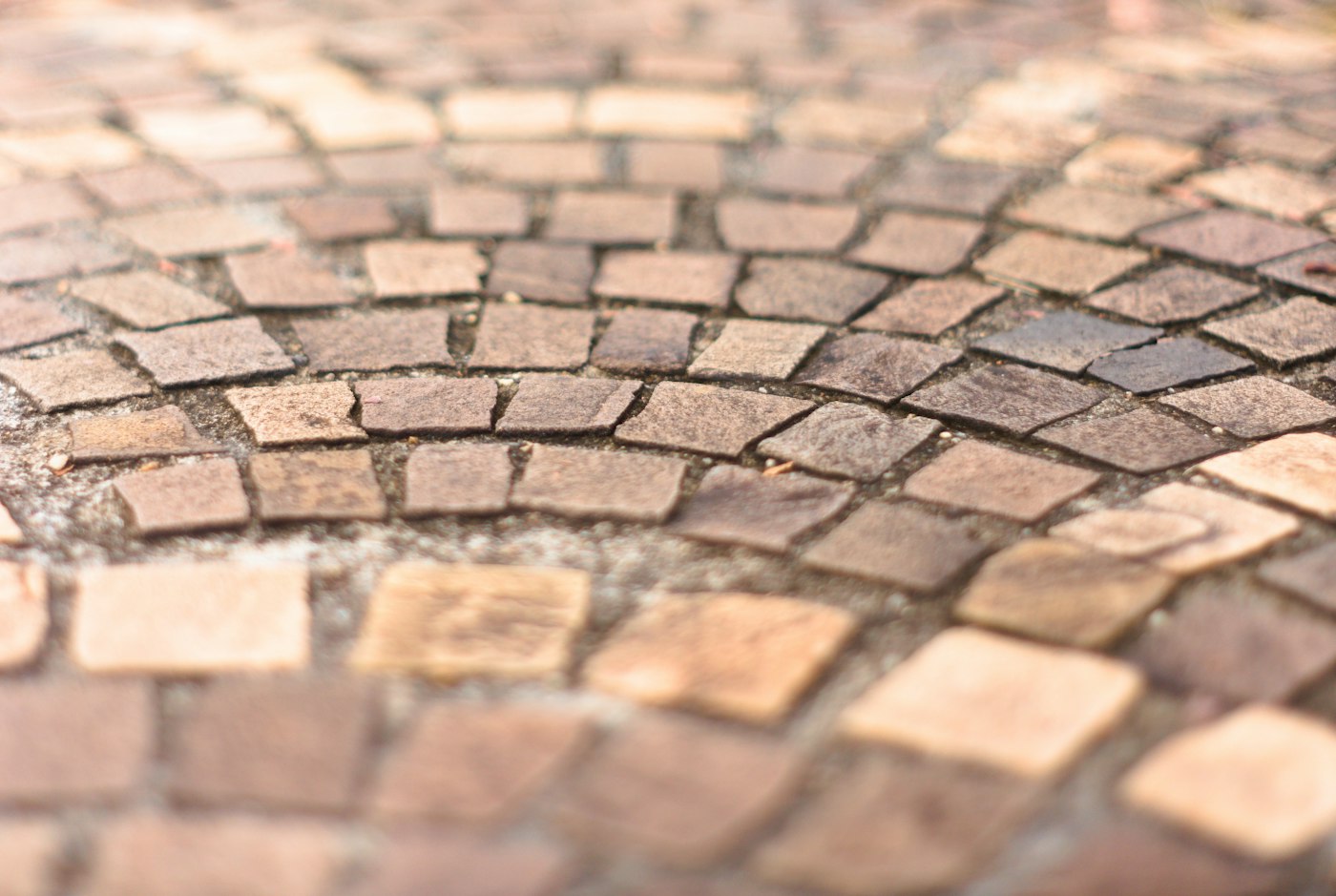
A patio spends the off-season collecting grime, mildew and the occasional rust ring from a forgotten chair. Late spring is the natural time to bring it back, because the weather is warm enough for cleaners and sealers to work and the outdoor season is just beginning. The process is straightforward, but a few mistakes, especially with pressure washers and sealers, can do more harm than good.
Clean before anything else
Start by clearing furniture, planters and grills, then sweep thoroughly. Pull weeds and moss from paver joints with a narrow tool. For general grime, a stiff brush, a cleaner made for masonry or concrete and plenty of rinsing often do the job.
A pressure washer is tempting, but use it carefully. Held too close or set too high, it can etch concrete, scar softer pavers and blast the sand out of paver joints. Use a wide fan tip, keep the wand moving and work at a consistent distance. A rotary surface cleaner attachment gives a more even result on large areas.
Stains and white haze
Different stains call for different treatments. Grease from a grill usually needs a degreaser made for masonry. Rust marks from furniture legs respond to cleaners formulated for rust. Organic stains from leaves and berries often fade with a general cleaner and a few weeks of sun.
A chalky white haze on pavers or concrete is usually efflorescence, salts carried to the surface by moisture moving through the material. It is common on newer installations and often diminishes over time. Specialty cleaners can remove it, but it is wise to wait until it stops recurring before sealing, since a sealer can lock the haze in.
Refill the joints
A paver patio depends on the sand between units to lock them together and discourage weeds and ants. After cleaning, refill joints that have washed out. Polymeric sand, which contains binders that harden when wetted, is popular because it resists washout. Follow the instructions exactly: the pavers must be completely dry, every bit of excess sand must be swept off the surface before watering, and the watering itself must be gentle. Sand left on the surface can leave a haze that is hard to remove.
Choosing and applying a sealer
Sealers fall into two broad families.
- Penetrating sealers, often silane or siloxane based, soak into the surface and repel water while leaving the look largely unchanged. They suit homeowners who want a natural appearance and good traction.
- Film-forming sealers, typically acrylic, sit on the surface and can deepen color with a satin or glossy wet look. They can be slippery when wet and may need more frequent reapplication in busy areas.
Test any product on a small, hidden area first. Apply it only when the surface is clean and dry and the temperature and forecast fall within the range on the label. Thin, even coats work better than heavy ones, which can turn cloudy or peel.
Keeping it looking good
Once the patio is clean and sealed, regular sweeping and an occasional gentle wash will carry it through the season. Wipe up grease and spilled drinks quickly, and use pads under metal furniture. Watch for low spots where water collects, sunken pavers and spreading cracks in concrete. Those are signs of a base problem rather than a surface problem, and they deserve a professional opinion before they get worse.
A Weekend Restoration Plan
Restoring a patio is easiest when it is spread across a few dry days, with each step given time to work. This sequence keeps one step from undoing the next.
- Day one: clear and clean. Move everything off the patio, sweep, pull weeds and moss, and clean the surface. Treat stains with the right products and rinse thoroughly.
- Day two: dry and inspect. Let the surface dry completely. Look for sunken pavers, cracks, low spots and joints that need refilling.
- Day two or three: repair and refill. Reset any sunken pavers, then sweep in new joint sand once everything is dry. Activate polymeric sand following the product instructions.
- Day three or later: seal. When the joint sand has cured and the surface is dry, apply sealer in thin coats according to the label.
- After sealing: wait. Keep foot traffic, furniture and grills off for the recommended time.
Always check the forecast. Rain at the wrong moment can wash out new joint sand or spoil fresh sealer.
Repairing Sunken Pavers and Cracked Concrete
Pavers
Sunken pavers can usually be lifted with a flat bar or screwdrivers. Add and compact base material and bedding sand beneath, then reset the paver level with its neighbors and refill the joints. Mark the pavers with chalk before lifting a section if you want to put them back in the same pattern.
Concrete
Small cracks can be filled with a crack filler made for concrete to keep water out. Larger cracks, settled sections or slabs that tip toward the house often need professional evaluation, since they may point to base or drainage problems.
Common Mistakes
- Using too much pressure. Pressure washing too close or too hard can damage the surface and remove joint sand.
- Sealing over dirt or efflorescence. Sealers can lock in stains and haze.
- Sealing a damp surface. Moisture trapped under a film-forming sealer can turn it cloudy.
- Leaving polymeric sand on the surface. Any sand left on the pavers when watered can harden into a haze.
- Applying thick coats. Heavy coats of sealer can become slippery, peel or look blotchy.
- Using harsh chemicals near plants. Some cleaners can harm nearby grass and garden beds. Rinse and protect plants as the label directs.
- Skipping the test patch. A cleaner or sealer can change the color of some pavers. Always try a small hidden area first.
Questions Homeowners Ask
How often should a patio be sealed?
It depends on the sealer, the material and how much use and weather the patio sees. Many homeowners reapply when water no longer beads on the surface.
Can stamped concrete be restored?
Yes. Cleaning and resealing stamped concrete can bring back much of its color. Some products include tints that refresh faded areas.
Is it worth hiring a professional?
Many homeowners handle cleaning and sealing themselves. If the patio has widespread settling, large cracks or drainage problems, a professional can address the base. We are glad to take a look and help you decide.