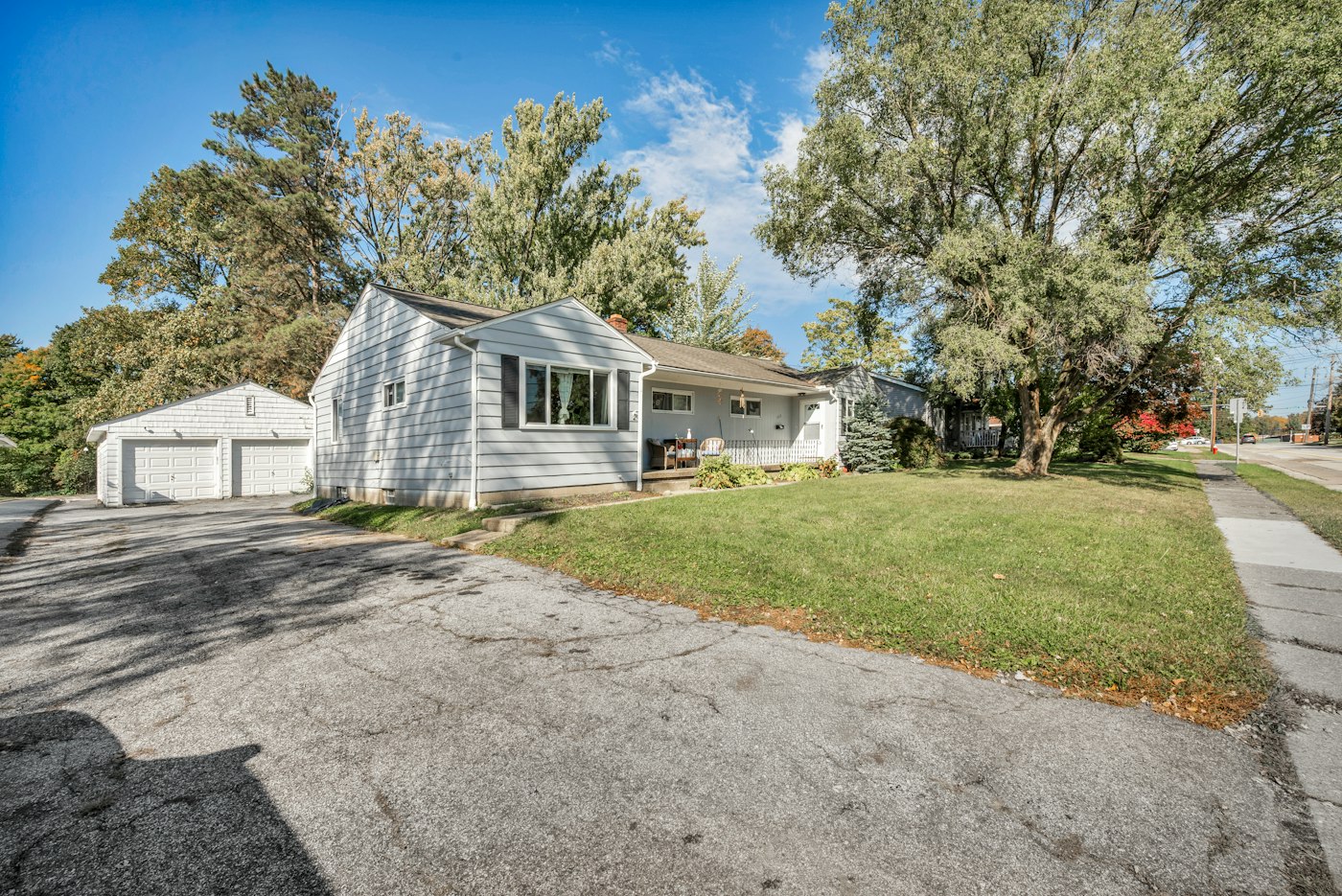
Your driveway takes more abuse than almost any other surface on your property. It bakes in the sun, soaks in the rain, freezes in the winter and carries the weight of your vehicles every day. Sealing is the routine maintenance that keeps it from breaking down early. The rule of thumb is simple: seal every two to three years in dry weather above 50 degrees. Early fall often gives you exactly those conditions, which makes it a smart time to get it done before winter.
What Driveway Sealer Actually Does
Asphalt is made of stone held together with a petroleum-based binder. Over time, sunlight, water and automotive fluids break that binder down. The surface fades from black to gray, small stones loosen, and tiny cracks open up. Once water gets into those cracks and freezes, they grow quickly.
A quality sealcoat helps by:
- Shielding the surface from sunlight that dries out and oxidizes the asphalt
- Slowing water penetration into the surface
- Resisting damage from oil, gas and other fluids
- Filling fine surface pores and restoring a uniform, dark appearance
- Making the surface easier to sweep and clean
Sealer is a protective coating, not a structural repair. It will not fix potholes, deep cracks or a failing base. Those need to be repaired before sealing.
Why Every Two to Three Years
Sealing too rarely leaves the asphalt exposed to wear. Sealing too often can build up layers that crack and peel. Every two to three years strikes the right balance for most residential driveways. Heavy traffic, full sun exposure or harsh winters may push you toward the shorter end. A simple test: if the driveway has faded to gray and water soaks in quickly instead of beading, it is probably time.
New asphalt is a special case. Freshly paved driveways need time to cure before the first sealcoat. Ask your paving contractor how long to wait for your specific installation.
Why Dry Weather Above 50 Degrees Matters
Sealers need the right conditions to bond and cure. That is why we recommend sealing in dry weather above 50 degrees.
- Temperature. Many sealers will not cure properly when the air or pavement is too cold. Both the air and the pavement should be warm enough during application and for the hours afterward. Check the product label; some have higher minimums.
- Dry conditions. Rain before the sealer cures can wash it away or leave a streaky, uneven surface. Look for a stretch of dry weather in the forecast, typically at least a full day without rain.
- Dry pavement. The surface should be completely dry before you start, including any areas you just cleaned.
- Sun and timing. Starting earlier in the day gives the sealer time to set before evening dew forms.
As fall progresses, the number of good days shrinks. Plan sooner rather than later.
How to Seal a Driveway
Prepare the surface
- Clear the driveway. Move vehicles, trash cans and anything else off the surface.
- Trim edges. Cut back grass and weeds growing over the edges.
- Clean thoroughly. Sweep, blow off debris and wash the surface. Sealer will not stick to dirt.
- Treat stains. Oil and fluid stains can prevent bonding. Clean them with an appropriate driveway cleaner and prime them if the sealer manufacturer recommends it.
- Repair cracks. Fill cracks with an asphalt crack filler and patch holes before sealing. Let repairs cure according to the label.
Apply the sealer
- Stir the sealer thoroughly. Solids settle at the bottom of the bucket.
- Cut in along edges, garage aprons and walkways with a brush first.
- Apply in thin, even coats with a squeegee or sealer brush, working in manageable sections.
- Two thin coats are generally better than one heavy coat. Allow the first coat to dry before applying the second.
- Block off the driveway so no one walks or drives on it while it cures.
Follow the manufacturer’s directions for drying and cure times. Foot traffic is usually allowed sooner than vehicle traffic.
Common Driveway Sealing Mistakes
- Sealing in cool or damp weather, which leads to poor curing and early failure
- Skipping the cleaning, so the sealer bonds to dirt instead of asphalt
- Sealing over open cracks, leaving them to keep growing underneath
- Applying it too thick, which can cause tracking, peeling and slippery spots
- Sealing every year, which builds up layers that crack and flake
- Driving on it too soon, leaving tire marks and scuffs
- Splashing it onto concrete, siding or garage doors without masking
What About Concrete Driveways?
Concrete driveways benefit from sealing too, but they use different products. Penetrating sealers and film-forming sealers are made specifically for concrete, and the right choice depends on the surface and climate. Do not use asphalt sealcoat on concrete. Whatever your driveway is made of, filling cracks before winter is one of the most important steps you can take.
Signs Your Driveway Needs More Than Sealer
- Large areas of alligator-pattern cracking
- Potholes or crumbling edges
- Sunken areas where water pools
- Cracks wider than a filler product can handle
Those problems often point to a base or drainage issue and may call for patching or resurfacing rather than sealing alone.
What to Do This Week
- Check when your driveway was last sealed. If it has been two to three years, plan for it.
- Look at the surface for fading, cracks and stains.
- Watch the forecast for a stretch of dry weather above 50 degrees.
- Clean the surface and fill cracks ahead of time.
- Decide whether to do it yourself or have it done.
AX Home Pro handles repairs, improvements and maintenance for homeowners. Request an estimate to get started.