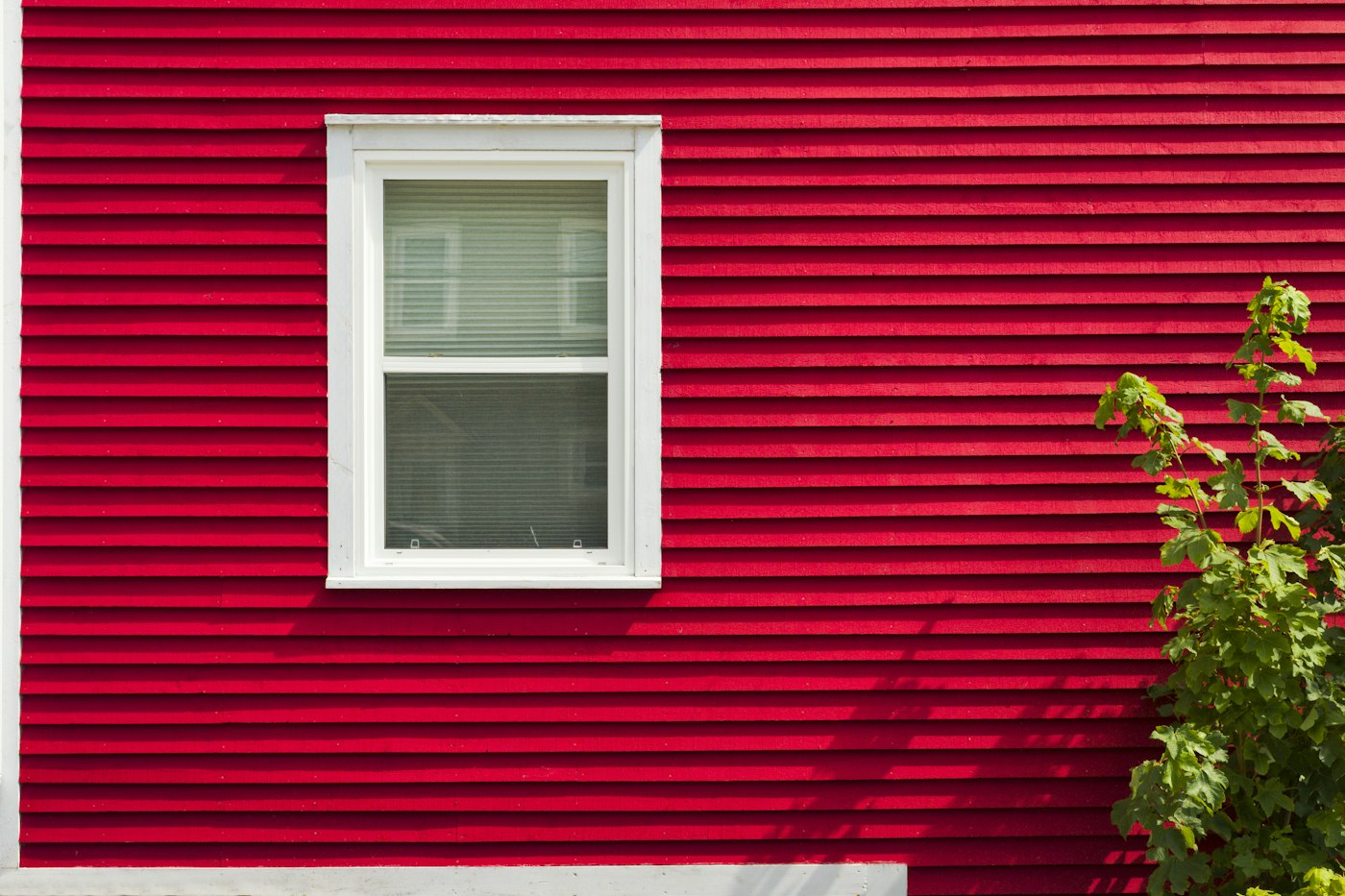
Siding does two jobs at once. It defines how a house looks from the street, and it forms the outer layer of a wall system that keeps rain, wind and sun away from the framing. When siding is tired, cracked or simply dated, replacing it can transform a home, and the long dry stretches of summer make it a natural season for the work. The hard part is choosing among the main materials.
Vinyl
Vinyl siding is made from PVC and is one of the most common siding materials in the country. It never needs painting, resists rot and insects and is among the most affordable choices. Profiles include clapboard, shakes, board and batten and scalloped shapes, and thicker panels feel more solid and lie flatter on the wall.
Vinyl has limits. It can crack from hard impacts, especially in cold weather, and it can warp if sunlight reflected from a nearby window concentrates on it. Colors are fixed, and repairs mean replacing panels that may not match exactly after years of weathering.
Fiber cement
Fiber cement siding is made from cement, sand and cellulose fibers formed into planks, panels and shingles. It is dense, resists rot, insects and fire and holds paint well. Many products come with factory-applied finishes that last a long time before repainting. It convincingly imitates painted wood.
The trade-offs are weight and installation demands. Fiber cement is heavy, and cutting it produces fine silica dust, so installers use specific tools and dust controls. Joints and edges must be handled according to the manufacturer’s instructions to keep moisture out.
Natural wood
Wood siding, whether cedar shingles, clapboard or board and batten, has a warmth and texture that is hard to imitate. It suits historic and coastal homes and can be painted, stained or left to weather. Cedar naturally resists decay better than many species.
Wood demands the most care. Paint and stain need renewing on a regular cycle, and neglected wood can rot, split or attract insects. For homeowners who do not mind maintenance or who want historic authenticity, it remains a beautiful choice.
Engineered wood
Engineered wood siding is made from wood strands or fibers bound with resins and treated to resist moisture and insects. It is lighter than fiber cement, easy to cut and usually comes primed or prefinished, with the look of painted wood. As with any wood-based product, cut ends and edges must be sealed, and required clearances from the ground and roofs must be respected to avoid moisture problems.
What matters as much as the siding
- The water-resistive barrier behind the siding is the real line of defense. Siding sheds most water, and the barrier handles what gets past.
- Flashing around windows, doors and roof intersections prevents the leaks behind most siding failures.
- In wet climates, a small drainage gap, often called a rainscreen, helps walls dry out.
- Installation quality and adherence to the manufacturer’s instructions affect warranties.
When comparing materials, look at samples against your own house in morning and afternoon light, ask about the complete wall assembly and talk with a contractor about what holds up best in your climate. The right choice balances appearance, maintenance and the realities of your weather.
Choosing by Priority
Most homeowners weigh the same handful of factors. Deciding which matters most to you narrows the choice quickly.
- Lowest maintenance: vinyl, or fiber cement with a factory finish, generally ask the least in the years after installation.
- Authentic historic character: natural wood, or a carefully detailed fiber cement or engineered wood product where wood is impractical.
- Freedom to change colors: paintable materials such as wood, fiber cement and engineered wood allow a new look later. Vinyl colors are set at the factory.
- Durability against impacts: denser materials resist dents and cracks from hail, balls and lawn equipment better than thin panels.
- Weight and wall conditions: on older walls or upper stories, lighter materials can simplify installation.
- Neighborhood and HOA rules: some communities restrict siding materials, colors or profiles. Check before you fall in love with a sample.
What Happens During a Siding Replacement
Knowing the sequence helps you plan around the project and ask good questions.
- Protection and setup. Plantings, decks and windows are protected, and a plan is made for debris.
- Removal. Old siding comes off, exposing the sheathing. In older homes this is when hidden problems, such as rot around windows or past leaks, come to light.
- Repairs. Damaged sheathing or framing is repaired. It is wise to allow some contingency in the budget for this step.
- Water-resistive barrier and flashing. A new barrier goes on, lapped so water runs down and out. Windows, doors and roof intersections are flashed carefully.
- Trim and accessories. Corner boards, window trim, starter strips and any rainscreen components are installed.
- Siding installation. The new material goes up following the manufacturer’s fastening, clearance and joint requirements.
- Finishing. Caulking where specified, painting if the product requires it, and a final cleanup including a magnet sweep for nails.
Mistakes That Lead to Siding Problems
- Siding installed too close to the ground or roof. Most products need clearance from soil, decks and roofing to stay dry. Wicking moisture is a common cause of rot and swelling.
- Nailing vinyl too tight. Vinyl expands and contracts with temperature and must hang loosely on its fasteners. Panels nailed tight can buckle on hot days.
- Skipping kick-out flashing. Where a roof edge meets a sidewall, a small diverter flashing steers water away from the wall. Without it, water can pour behind the siding.
- Leaving cut ends unsealed. Engineered wood and fiber cement edges need the treatment the manufacturer specifies.
- Choosing color from a tiny chip. Siding colors look different on a whole wall. View large samples outdoors at several times of day.
Questions to Ask a Siding Contractor
- Which water-resistive barrier will you use, and how will windows and doors be flashed?
- How will you handle rot or damage found after removal, and how will that be priced?
- Will you follow the manufacturer’s installation instructions so the warranty stays valid?
- Is a rainscreen gap recommended for my walls and climate?
- Who handles permits, and how will debris and dust be controlled?
Quick Answers
Can new siding go over old siding?
It is sometimes done, but it hides the condition of the wall and complicates flashing. Removing old siding is usually the better approach.
Does siding add insulation?
Most siding adds little. Insulated vinyl or added rigid insulation behind the siding can improve wall performance, which is worth discussing during replacement.
Is summer always the best time?
Dry weather helps, but extreme heat can affect some products and paints. Your contractor can schedule around conditions.