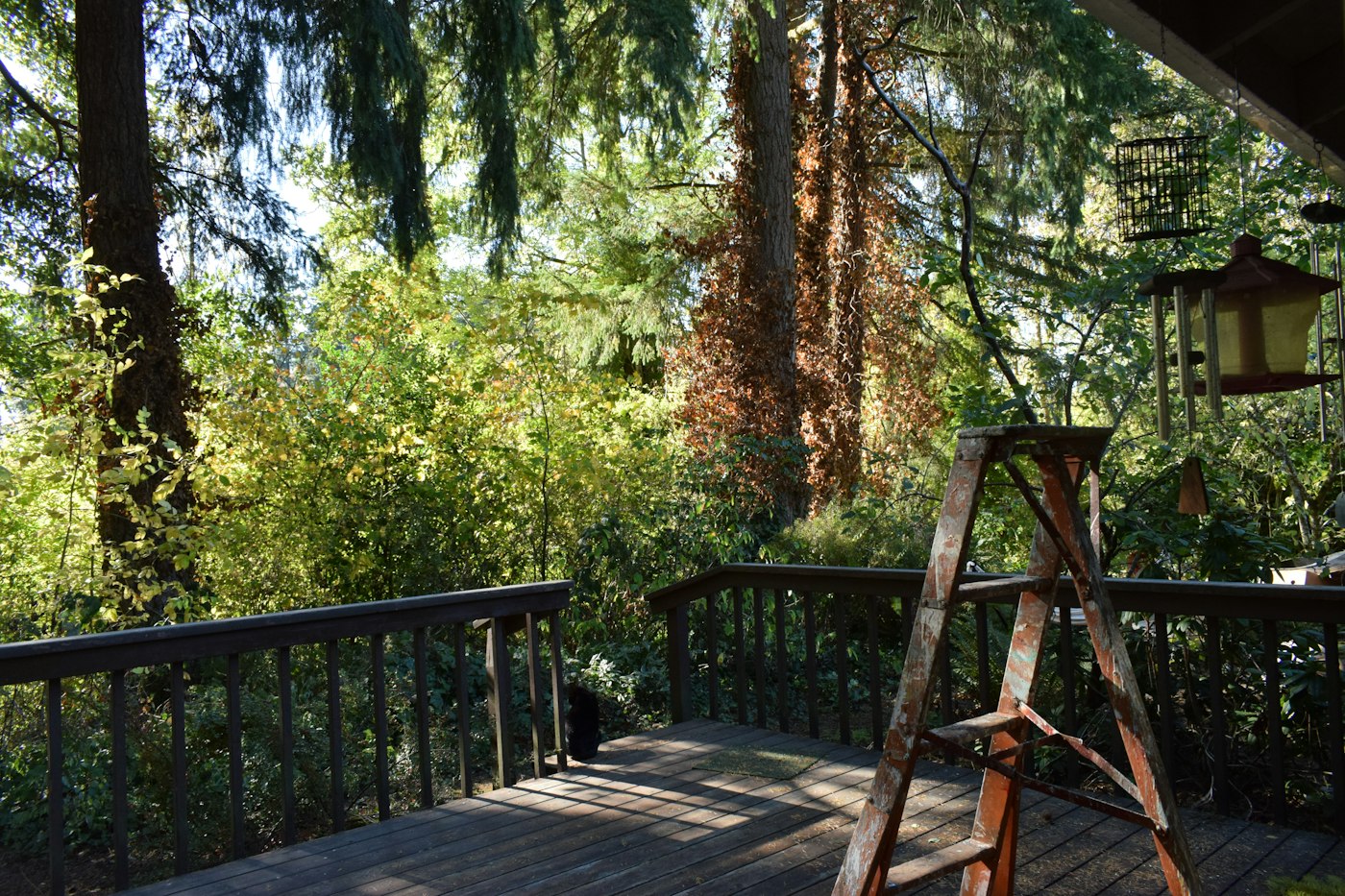
Wood is a beautiful decking material, and it is also the only one that asks for regular care. Sun breaks down the surface fibers, water swells and shrinks the boards, and mildew settles into shaded spots. A good finish slows all of that. Spring, after the deck has dried from winter and before the heavy use of summer, is the traditional time to apply it, and understanding the options makes the job go better.
What a Finish Does
Deck finishes do two main jobs. Water repellents keep moisture from soaking into the wood, which reduces swelling, cracking and the growth of mildew. Pigments and UV blockers shield the wood from sunlight, which is what turns bare wood gray and makes the surface rough. The more pigment a finish contains, the more sun protection it offers and the more it hides the wood grain. Choosing a finish is a trade between showing off the wood and protecting it.
The Range of Finishes
- Clear sealers repel water but offer little UV protection, so the wood grays fairly quickly. They suit homeowners who like the natural look and do not mind frequent reapplication.
- Toners add a hint of color and some UV blocking while keeping the grain fully visible.
- Semi-transparent stains add more pigment, color the wood noticeably and still show grain and texture. They are the most popular choice for decks because they balance appearance and protection.
- Semi-solid and solid stains cover the grain nearly or completely, like a thin paint, and offer the most UV protection. They show wear in traffic paths and are harder to strip, so they are often chosen for older decks whose wood is no longer attractive.
Finishes also come in oil-based and water-based formulas. Oil-based products penetrate deeply and are forgiving to apply; water-based products dry faster, resist mildew well, clean up with water and often have lower odor. Follow the manufacturer’s guidance about which types can go over an existing finish.
Preparation Is the Job
No finish lasts on dirty, gray or previously coated wood that has not been prepared. Start by clearing the deck and sweeping. Apply a deck cleaner to remove dirt, mildew and loose fibers, scrub, and rinse thoroughly. If the wood has grayed or you have used a cleaner that darkens it, follow with a wood brightener, which restores the color and opens the grain. Old, failing stain must be removed with a stripper or by sanding before a new finish will bond. Replace damaged boards, set popped nails and drive loose screws. Then let the deck dry completely, usually a couple of dry days; a few drops of water should soak into the wood rather than bead before you stain.
New pressure-treated lumber needs time to dry out before it will accept a finish, which can mean waiting weeks or longer depending on how wet it arrived.
Applying the Finish
Choose a stretch of mild, dry weather, with no rain expected for a day or two and the deck out of direct, intense sun during application. Apply a thin, even coat with a brush, pad or roller, working a few boards at a time from end to end to avoid lap marks, and back-brush any excess so it does not pool. Most penetrating stains want one coat, or two thin coats applied wet-on-wet; extra material that cannot soak in will stay sticky and peel. Let it cure fully before moving furniture back.
Keeping Up With It
How often a deck needs refinishing depends on the finish, the exposure and the climate. The spring water test tells you when: if water soaks in quickly rather than beading, the finish is wearing thin. A deck cared for on this rhythm stays sound and good-looking for many years, and the hours spent each spring are a small price for the summers it gives back.
Choosing a Finish for Your Deck
With so many products on the shelf, it helps to start from the condition and setting of your deck rather than from a color card.
- New, attractive wood. A toner or semi-transparent stain protects the wood while showing off the grain.
- Older wood with stains or patches. A semi-solid or solid stain evens out the color and hides repairs.
- Full sun. Choose more pigment for more UV protection, and expect to refinish horizontal surfaces more often than railings.
- Heavy shade. Look for products with mildew resistance, and keep the deck clear of leaves and debris that hold moisture.
- Previously finished deck. Find out what the old finish was. Switching types often means stripping first.
Before committing to a whole deck, test the finish on a spare board or an out-of-the-way section. Stain color on the can or a sample card rarely matches what it looks like on your wood.
A Simple Deck Refinishing Checklist
- Check the forecast for several dry, mild days in a row.
- Move furniture, grills and planters off the deck and cover nearby plants and siding.
- Inspect boards, railings and stairs for rot, cracks, loose fasteners or splinters.
- Clean, rinse and, if needed, brighten the wood.
- Strip or sand any failing finish.
- Let the deck dry thoroughly and test with a few drops of water.
- Stir the finish well and apply it in thin coats, a few boards at a time.
- Do the railings and vertical surfaces first, then the floor, working toward the stairs.
- Keep traffic, pets and furniture off until the finish has cured.
Common Mistakes
- Applying too much. Excess stain that cannot soak in stays tacky, attracts dirt and peels.
- Using a pressure washer too aggressively. High pressure can gouge the wood and raise the grain. Use low pressure and a wide fan tip, or simply scrub.
- Staining in hot sun. The finish dries too quickly to penetrate and leaves lap marks.
- Skipping the end grain. Board ends soak up water fastest. Give them extra attention.
- Not disposing of rags safely. Rags soaked in oil-based finish can heat up and ignite. Lay them flat to dry outdoors or store them in a sealed, water-filled metal container until disposal, following the product label.
Questions Homeowners Ask
Can we stain only the worn parts?
Spot treatments often show as patches. It usually looks better to clean the whole deck and apply a maintenance coat across all the boards.
What about composite decking?
Most composite decking does not need stain or sealer, but it still benefits from regular cleaning to prevent mildew and staining. Check the manufacturer’s care instructions.
When does a deck need more than a finish?
If boards are soft, posts are loose or the railings wobble, it is time for repair before refinishing. We can inspect your deck and help you decide what it needs.