
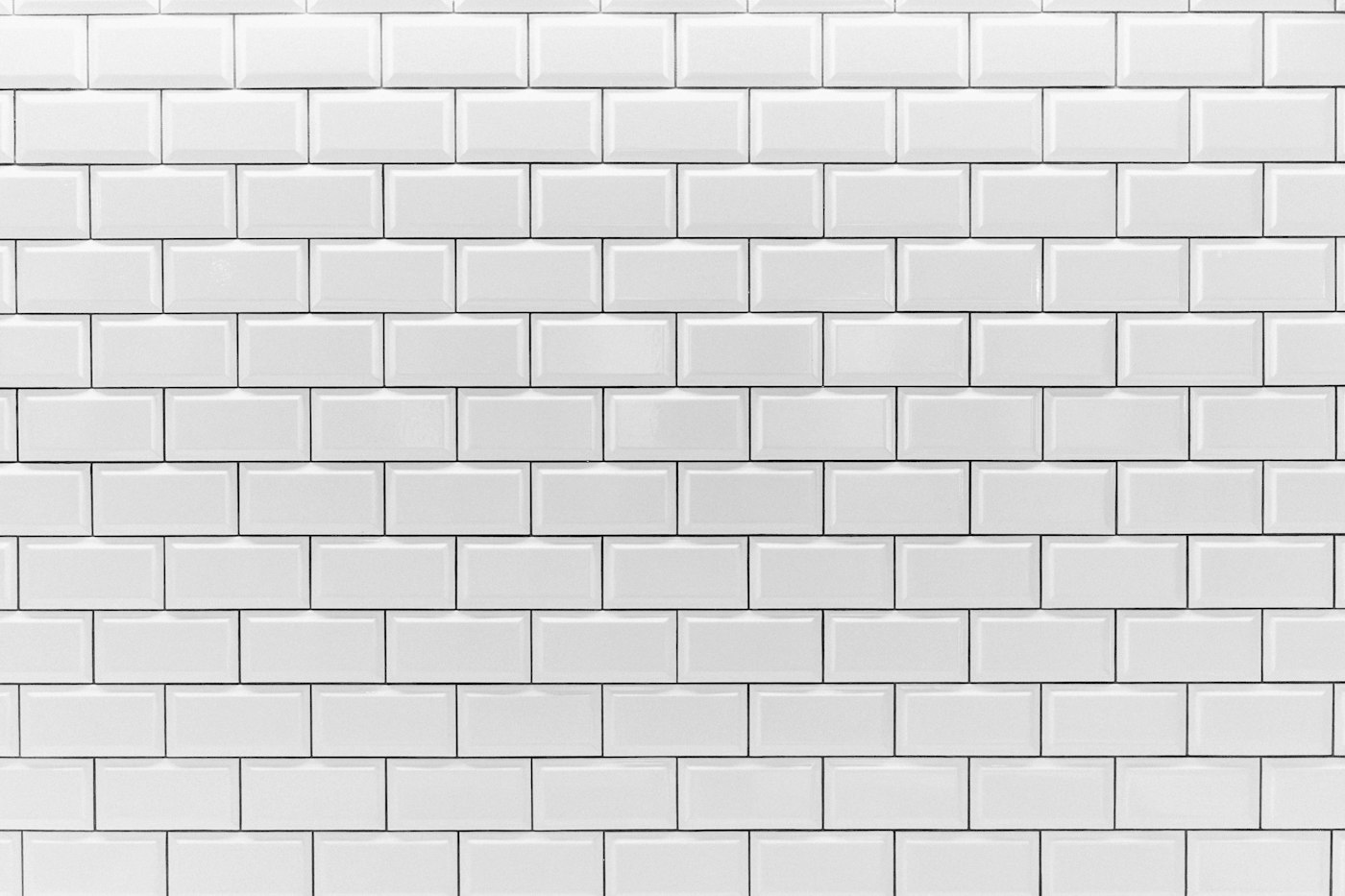
Few materials are as recognizable as subway tile. The simple glazed rectangle shows up in kitchens, bathrooms, restaurants and cafes across the country, and it has remained popular through decades of changing tastes. Its story begins not in a home but deep underground.
Born in the Subway
When New York City’s first subway line opened in 1904, its designers faced a practical problem. Stations sat underground, often with little natural light, and they would be used by huge numbers of people every day. Walls needed to be durable, easy to clean and bright enough to reflect artificial light. Glazed ceramic tile answered all those needs. The stations were lined with white rectangular tiles with smooth, glossy surfaces, and many also featured decorative mosaic name tablets and ornamental borders. The glossy white tile helped brighten the stations and gave them a sense of cleanliness and order.
Why It Moved Into Homes
The same qualities that made subway tile ideal underground made it attractive in homes. In the early twentieth century, ideas about hygiene and sanitation strongly influenced the design of kitchens and bathrooms. White, glazed, easy-to-clean surfaces fit that mindset perfectly. Bathrooms and kitchens from that period often featured white tile walls, sometimes paired with black-and-white floor tile in hexagon or basket-weave patterns. The look became a standard for clean, practical rooms.
Fading and Returning
Like many classic materials, subway tile fell out of fashion for a time as new colors, materials and styles came along. Later, interest in vintage homes, historic restoration and simple, timeless design brought it back. Its return was helped by its versatility. Subway tile could look historic in an old house, crisp and modern in a new one, or relaxed in a farmhouse-style kitchen.
Many Ways to Use a Simple Shape
Part of subway tile’s lasting appeal is how many looks a single shape can create. The installation pattern alone changes the effect:
- Running bond: The classic brick-like offset pattern.
- Stacked: Tiles aligned in a grid, horizontally or vertically, for a modern look.
- Herringbone: Tiles set at angles in a zigzag pattern for movement and texture.
- Vertical: Tiles turned upright to emphasize ceiling height.
Today, subway-style tile comes in many sizes, finishes and colors, from glossy white to matte black, handmade-look glazes and deep, saturated tones. Beveled edges add shadow, while flat edges create a cleaner surface.
Using Subway Tile in Your Home
Subway tile works almost anywhere, from backsplashes to full shower walls. Grout color plays a big part in the final look: matching grout creates a soft, seamless surface, while contrasting grout highlights each tile and the pattern. If you are drawn to this enduring classic, reach out through our contact page and we can talk about ways to use it in your remodel.
What Made the Original Tile Work So Well
The subway stations of the early 1900s were designed at a time when architects took public infrastructure seriously as a civic statement. The engineers behind New York’s first line, together with the architects George Lewis Heins and Christopher Grant LaFarge, treated stations as places that should feel orderly and dignified, not merely functional. Tile was central to that vision.
Ceramic tile offered several advantages that mattered greatly in a crowded underground environment:
- A hard, nonporous glaze that resisted soot, grime and moisture far better than plaster or painted walls.
- Light reflectance that helped stretch the limited electric lighting of the time.
- Modular sizing that allowed crews to cover long, curving walls quickly and replace damaged pieces individually.
- Decorative flexibility, since the same material could be used for plain field tile and for elaborate mosaics, plaques and borders that helped riders recognize their stop.
Many of those decorative station tablets and borders still survive, and they remain a reminder that a material chosen for practicality can also carry real beauty.
The Sanitary Movement and the American Home
Around the same era, growing public awareness of germs and disease shaped how people thought about the rooms where food was prepared and bodies were washed. Indoor plumbing was spreading, and the bathroom was becoming a standard room in middle-class homes rather than a luxury. Designers and builders favored surfaces that could be scrubbed and that showed dirt plainly, so it could be removed.
White tile delivered on both counts. Its brightness signaled cleanliness, and its glaze shrugged off water and soap. Combined with white porcelain fixtures and simple, hard-wearing floors, it created a look that many people still associate with a classic early twentieth-century bath.
Bringing Subway Tile Into a Modern Remodel
Because subway tile is so familiar, the details make the difference between a space that feels thoughtful and one that feels generic. Here are the decisions we walk through with homeowners.
- Choose the size. The classic proportion is roughly two to one, but elongated versions with a longer, slimmer face read more contemporary, while smaller pieces feel more traditional.
- Decide on the edge. Flat-edged tile gives a smooth, continuous surface. Beveled edges create shadow lines that emphasize each piece and can feel more vintage.
- Select the finish. Glossy glazes bounce light and are easy to wipe. Matte and handmade-look finishes add softness and variation.
- Pick the pattern with the room in mind. A vertical stack draws the eye upward in a low-ceilinged bath, while herringbone adds energy behind a range or vanity.
- Plan the edges and corners. Decide how the tile will end at countertops, cabinets, windows and outside corners, whether with trim pieces, metal edging or a finished edge.
- Test the grout color. Ask for a sample board or set a few tiles with different grout colors before committing.
Common Subway Tile Mistakes
- Skipping the layout. Without planning where full and cut tiles land, you can end up with thin slivers at a window or ceiling line.
- Ignoring wall flatness. Long, glossy tiles reveal every dip and bow in a wall. Proper surface preparation matters.
- Forgetting the outlets. Outlets and switches in a backsplash should be positioned so cuts are clean and covers sit flush.
- Choosing grout by default. Grout is a design decision, not an afterthought. It can change the look of the entire wall.
Subway Tile Questions We Hear
Is subway tile only for traditional homes?
Not at all. In a stacked pattern with a matte finish and narrow grout lines, it can look sleek and modern. In a running bond with a soft white glaze, it feels timeless.
Will it look dated in a few years?
Subway tile has already outlasted many trends. Its simplicity is the reason it keeps returning, and pairing it with thoughtful fixtures and lighting keeps it feeling current.
Is it practical in a shower?
Yes, glazed ceramic and porcelain subway tiles are well suited to shower walls when installed over a proper waterproofing system. Grout lines do require routine cleaning.


