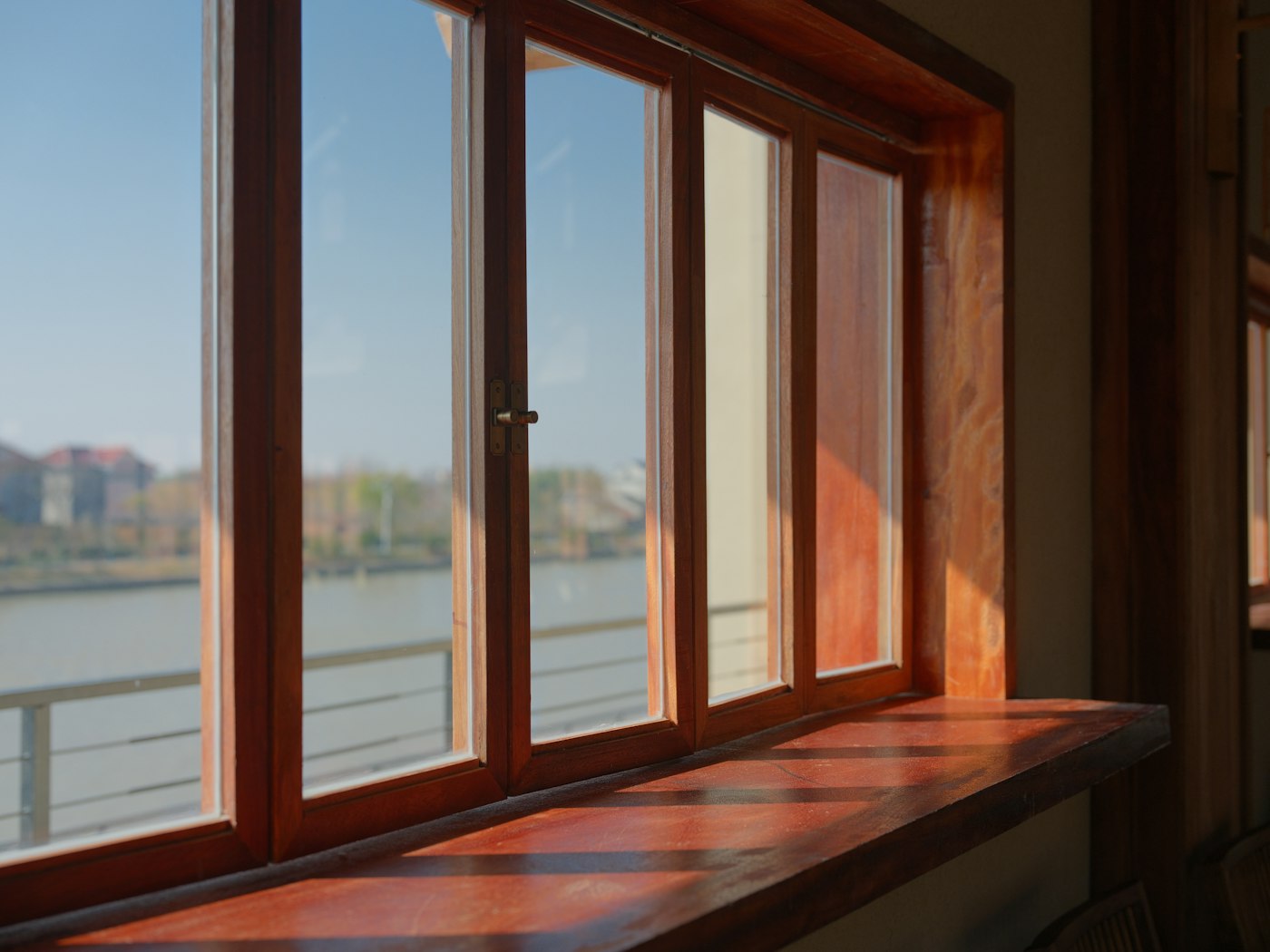
Glass does the energy work in a window, but the frame determines how it looks, how long it lasts and how much attention it will need over the years. Each frame material has a personality. Knowing the strengths and weak points of each makes it easier to match the window to the house, the climate and the owner’s appetite for maintenance.
Vinyl
Vinyl frames are extruded from PVC with hollow chambers inside that trap air and insulate. They never need painting, do not rot and are typically the most affordable option, which is why they dominate the replacement market. Quality varies widely: better vinyl windows have welded corners, thicker walls and metal reinforcement in larger sashes.
The limitations are mostly about appearance and movement. Color choices are narrower, dark colors can absorb heat and are offered with caution by some manufacturers, and vinyl expands and contracts more than other materials with temperature swings, which can stress seals over time. Frames are also bulkier, so glass area is slightly smaller for a given opening.
Fiberglass
Fiberglass frames are made from glass fibers in a resin, which makes them strong, stiff and dimensionally stable. They expand and contract at nearly the same rate as the glass they hold, so seals stay intact. They accept paint, come in dark factory colors without trouble and have slim profiles that let in more light. The cost sits above vinyl and below most wood, and the material shrugs off heat, cold and sun.
Wood and clad wood
Wood is the traditional choice and still the warmest-looking from inside. It insulates well, can be stained or painted and suits historic homes where authenticity matters. The trade-off is maintenance: bare exterior wood needs regular painting or sealing and can rot if neglected.
Clad wood windows solve most of that by covering the exterior in aluminum, fiberglass or vinyl while leaving the interior wood exposed. You get a low-maintenance outside and a stainable inside, usually at a premium price. For many remodels this is the best of both worlds.
Aluminum
Aluminum frames are thin, strong and durable, which makes them the go-to for large modern windows and commercial-style glass walls. Plain aluminum conducts heat readily and can sweat with condensation in cold weather, so residential products use thermal breaks, strips of insulating material that separate the inner and outer parts of the frame. They are a good fit in mild climates and for contemporary designs that want minimal sightlines.
Composites
Composite frames blend wood fibers or other fillers with polymers, aiming for the stability of fiberglass with a wood-like look that can be painted or sometimes stained. Products vary between manufacturers, so look at samples and warranties closely.
Making the choice
- Lowest upkeep and lowest cost: vinyl.
- Strength, stability and slim frames: fiberglass or aluminum.
- Authentic interior wood with a protected exterior: clad wood.
- Historic accuracy and willingness to paint: solid wood.
Whatever the material, installation quality and flashing determine whether a window stays dry and square. Ask how the frame will be sealed to the house, and compare warranties on both the frame and the glass unit before deciding.
Matching Frame Material to Your Home
Beyond the general strengths of each material, a few specific questions point toward the right choice for your house.
- What style is the house? Historic homes often look best with wood or clad wood. Modern homes suit slim fiberglass or aluminum. Many traditional suburban homes work well with vinyl or fiberglass.
- What color do you want? If you want dark exterior frames, fiberglass, aluminum and clad wood generally handle dark colors well. Ask about vinyl options carefully.
- How much sun and weather do the windows face? Walls exposed to strong sun and storms benefit from durable, stable materials.
- How long will you stay? If you plan to stay many years, durability and maintenance matter more than upfront cost.
- Do you want stained wood inside? If so, clad wood or wood windows are the main options.
- Are you replacing a few windows or all of them? Matching existing windows may limit choices.
Caring for Each Frame Material
Vinyl frames
Clean with mild soap and water. Avoid harsh solvents and abrasive pads. Check that weep holes at the bottom of the frame are clear so water can drain.
Fiberglass frames
Wash occasionally and touch up paint if needed. Fiberglass is very low maintenance but still benefits from cleaning and inspection.
Wood frames
Inspect exterior wood each year for peeling paint, cracks and soft spots, especially at sills. Repaint or reseal on a regular schedule.
Clad wood frames
Clean the exterior cladding and check that seals and caulk joints are intact. Inspect the interior wood for moisture near the glass.
Aluminum frames
Clean regularly, especially near salt air or pools, and inspect the finish for scratches or corrosion.
Every material
Whatever the frame, lubricate hinges, cranks and locks as the manufacturer recommends, check the caulk where the frame meets the siding each spring, and keep tracks clear of dirt and insects so sashes move freely and seal tightly.
Common Mistakes
- Choosing on price alone. The least expensive window may cost more over time if it fails early or needs frequent maintenance.
- Not comparing frame profiles. Thick frames reduce glass area and change the look of the house. Compare samples side by side.
- Ignoring the warranty details. Coverage for frames, finishes, glass and labor can differ significantly.
- Skimping on installation. Poor flashing and sealing cause leaks and rot regardless of frame material.
- Mixing materials without a plan. Different frame materials on the same facade can look mismatched.
- Forgetting the interior trim. New frames can be wider or narrower than the old ones, which may require new casing or drywall repair inside.
- Skipping the sample. Frame color, especially white and almond, varies between brands. Look at a physical corner sample next to your siding and trim before deciding.
Questions Homeowners Ask
Which frame material insulates best?
Vinyl, fiberglass, wood and composites all insulate well. Aluminum insulates less unless it has a thermal break. The glass package also plays a large role.
Can vinyl windows be painted?
Some can be painted with special products, but it may affect the warranty. Check with the manufacturer first.
How long do window frames last?
Lifespan depends on the material, quality, installation, climate and maintenance. We are glad to talk through the options and help you choose windows that fit your home and your plans.