
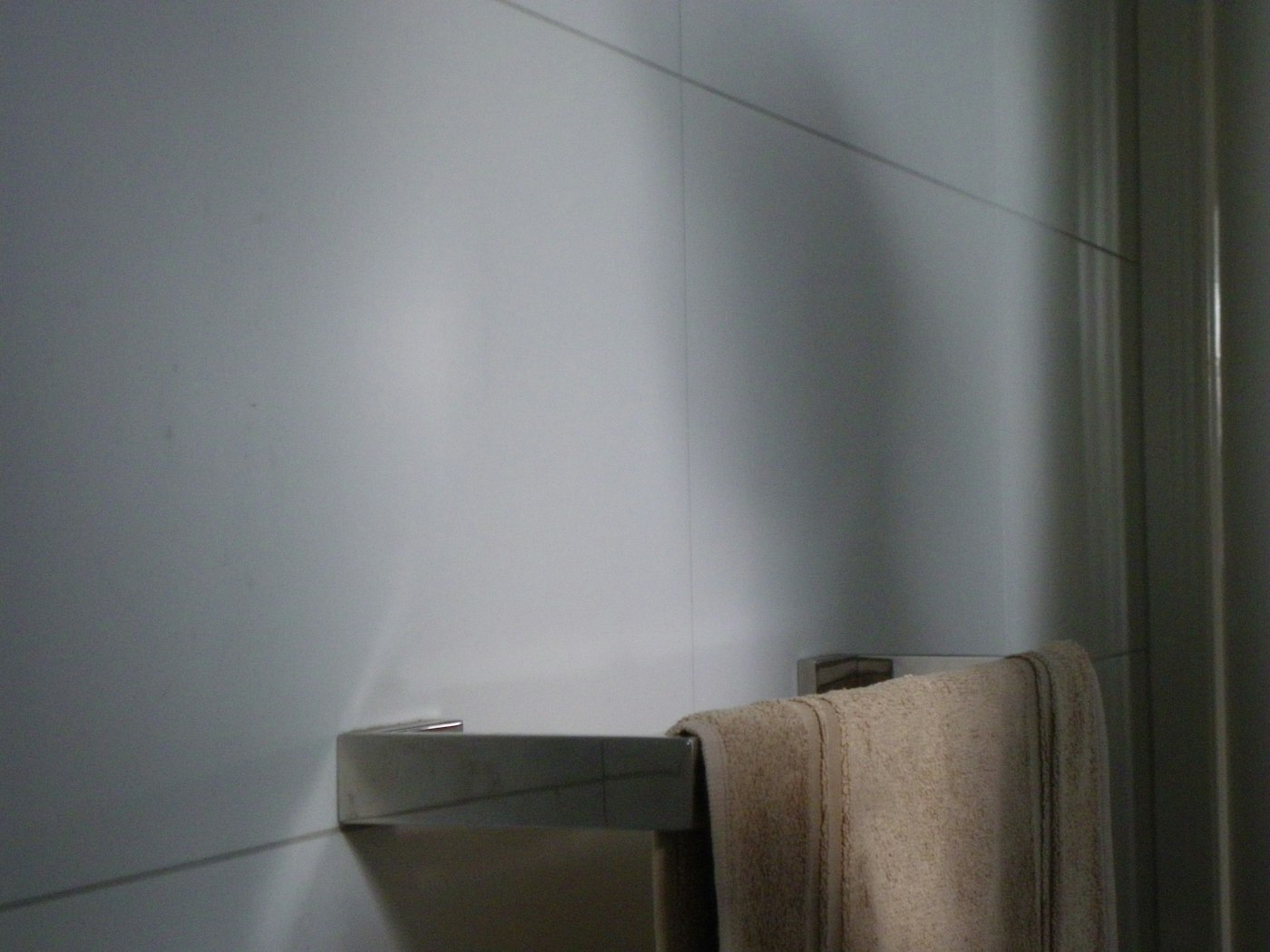
Few things reveal a rushed bathroom remodel like a towel bar that cannot be reached from the shower or a toilet paper holder mounted behind the user’s elbow. Bathroom accessories are small parts of a project, but where they go affects how the room works every day. In a guest bath especially, where visitors have no time to learn the room’s quirks, thoughtful placement makes the space feel considerate and complete, which is worth planning before the summer guests arrive.
Plan Accessories With the Layout
The best time to decide where accessories go is during design, when the drawings still show bare walls. Walk through the routine of someone using the room: stepping out of the shower, reaching for a towel, using the sink, hanging a robe. Each motion suggests a location.
- Bath towels should be reachable from the shower or tub without crossing a wet floor. A bar or hook just outside the shower door, or on the wall beside it, works better than a bar across the room.
- Hand towels belong within reach of the sink, on a ring or short bar beside the vanity or on the vanity’s side panel.
- Toilet paper holders should sit slightly forward of the seat and within easy reach, not behind the user. Many installers start at roughly two feet above the floor and adjust for the toilet and the room.
- Robe hooks fit on the back of the door or on a wall near the shower.
Why Blocking Matters
Drywall alone does not hold much weight, and a towel bar grabbed by a guest who slips can tear right out of the wall. Blocking, solid wood framing installed between studs before the drywall goes up, gives screws something solid to bite. It costs little during framing and is difficult to add later. Plan blocking for every bar, hook, holder, mirror and shelf, and consider adding it for future grab bars near the toilet and in the shower, even if you are not installing them now. Grab bars must be anchored to structure and rated for their purpose; a towel bar is never a substitute for one.
Photograph and measure the blocking before the walls close, so future accessories can find it.
Heights and Spacing
There are common starting points for accessory heights, but the right number depends on the people using the room and the fixtures around them. Towel bars are often placed high enough that a folded towel hangs clear of the vanity top or the baseboard. Hooks for children can sit lower. Mount bars far enough apart that two towels can dry without touching, and keep accessories clear of door swings, switches and outlets. In a small bath, hooks often fit where a full bar will not.
Coordinating Finish and Style
Choose accessories in the same finish family as the faucet and shower trim, or in a deliberate contrast. Buying them from the same collection simplifies matching, and solid metal construction holds up better than thin plated parts. A heated towel bar needs electrical planning and should be decided before the walls are closed. A short list of accessory locations, handed to your contractor before framing, is one of the simplest ways to make a bathroom feel finished. If you are planning a bath remodel, our contact page is the place to start.
A Simple Way to Map Accessories Before Framing
We encourage homeowners to spend a few minutes with painter’s tape before the walls are closed. It is the easiest way to catch placement problems that drawings miss.
- Mark the fixtures. Once the vanity, toilet and shower locations are set, tape outlines on the floor or framing so you can see where everything will be.
- Act out the routine. Stand in the shower location and reach for where a towel would hang. Sit where the toilet will be and reach for the paper holder. Stand at the sink and reach for a hand towel. Adjust until each reach feels natural.
- Mark each accessory. Tape the center point and width of each bar, hook and holder on the studs, along with mirrors, medicine cabinets and shelves.
- Check door swings and drawers. Open the door fully in your mind and note where it lands. Make sure no accessory sits where the door, a vanity drawer or a shower door will strike it.
- Hand the map to your contractor. The marked locations guide where blocking goes, and they become the plan for installation after tile and paint.
Placement Mistakes We See Often
- A towel bar over the toilet. It is a common default because the wall is empty, but it is often awkward to reach and puts towels close to the toilet.
- Toilet paper on the far wall. Holders placed across from the toilet, or behind it, force guests to stretch or stand.
- Hooks behind a door that opens against a wall. Robes on the door can rub against a wall-mounted towel bar, or keep the door from opening fully.
- Accessories over outlets and switches. A towel draped over an outlet near the sink is both inconvenient and a poor idea near water.
- Bars that are too short. A short bar crowds towels, so they never dry. Where wall space allows, a longer bar or two hooks gives towels room.
- Tile seams that land where screws go. Drilling into a grout line or the edge of a tile can crack it. Coordinate accessory locations with the tile layout.
Ideas for Specific Bathrooms
- Kids’ baths: a row of hooks at child height, one for each child, often works better than bars, since children hang towels more reliably on hooks.
- Guest baths: a towel ring near the sink, a hook for a robe and a small shelf for a guest’s toiletries make the room easy to use for a short stay.
- Primary baths: separate towel locations for each person, a hook near the shower and a place for a spare roll beside the toilet.
- Bathrooms planned for aging in place: blocking for grab bars near the toilet, in the shower and by the tub, even if bars come later.
Questions Homeowners Ask
Can I add blocking without opening the wall?
Not easily. Wall anchors rated for heavy loads help with towel bars and hooks, but grab bars should be fastened to structure or installed with anchors specifically approved for grab bars.
Should accessories go on tile or drywall?
Either works with proper blocking. On tile, careful drilling and sealing around screws keep water out of the wall.
Can a heated towel bar replace a regular one?
Many households use one as the main towel bar. Plan it early so its power and controls can be built in.


