
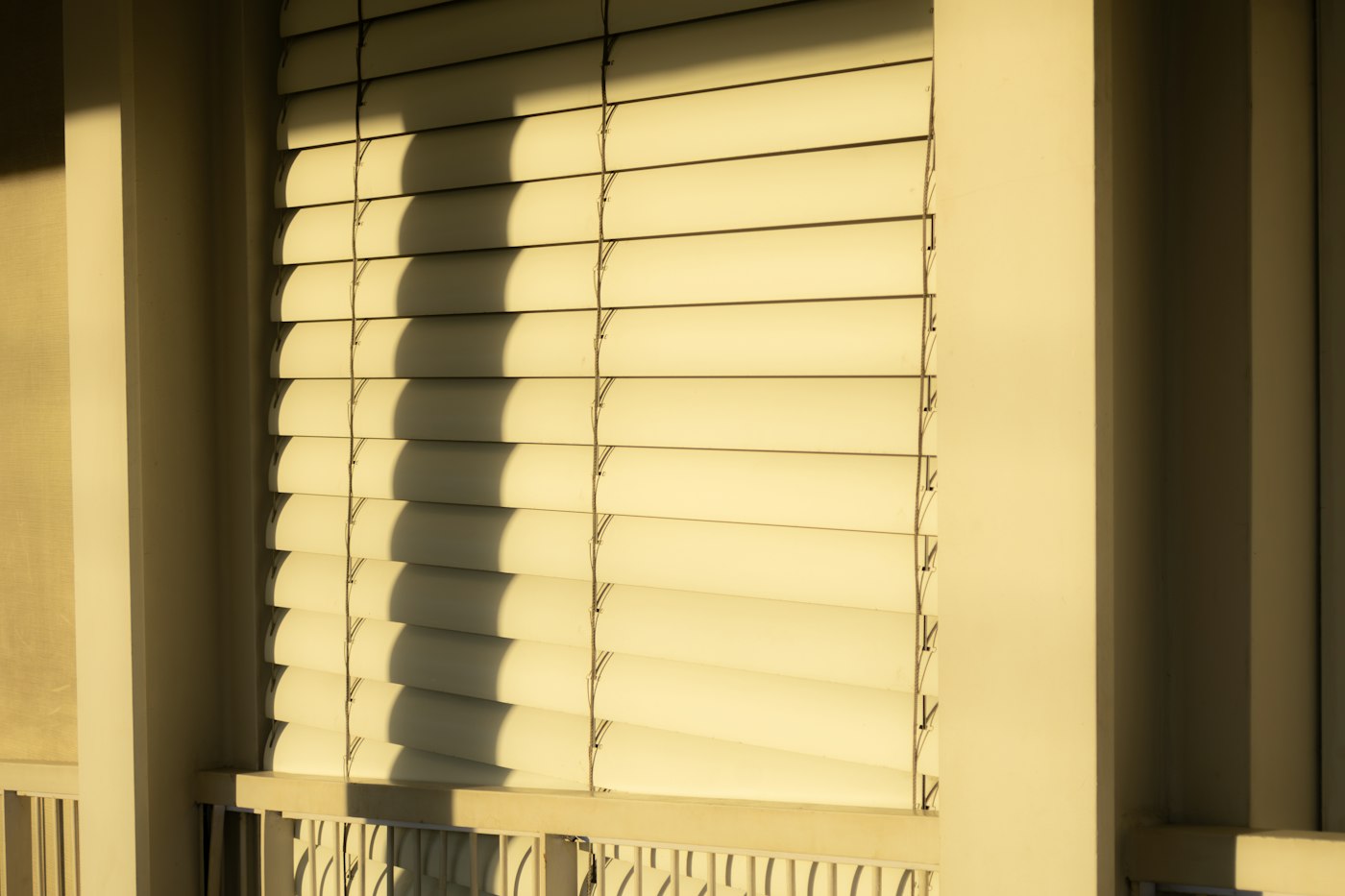
On a sunny summer afternoon, a wall of windows can turn a pleasant room into the hottest one in the house. Sunlight passes through the glass, strikes floors and furniture and becomes heat that the air conditioner then has to remove. Replacing windows is one answer, but it is not the only one. A range of films, screens, shades and architectural features can cut solar heat gain, often with far less disruption.
Why stopping heat outside works best
The most effective place to block sunlight is before it reaches the glass. Once the sun’s energy passes through a window, much of it is already inside, even if an interior blind keeps it off the floor. That is why exterior shading tends to outperform interior treatments, and why builders in hot climates have long relied on deep eaves, porches and shutters.
Orientation matters, too. West-facing windows take the low, intense afternoon sun. East-facing windows catch the morning sun. South-facing windows see the sun high overhead in summer, which makes them the easiest to shade with an overhang.
Window film
Window films are thin layers applied to the inside surface of the glass. Spectrally selective films are designed to reject much of the sun’s infrared heat while letting most visible light through, so rooms stay bright. Reflective films block more heat but give the glass a mirrored or tinted look. Most films also block nearly all ultraviolet light, which helps slow the fading of floors and fabrics, though visible light and heat contribute to fading as well.
Before applying film, check the window manufacturer’s warranty. Some films on certain insulated glass can raise glass temperatures and stress the seals, and some warranties exclude film altogether. Professional installers can recommend films compatible with your glass.
Exterior screens and shades
Exterior solar screens mount over the outside of a window and intercept a large share of the sun’s heat before it touches the glass. They cut glare, add daytime privacy and still allow a view out, though rooms will be dimmer. Roll-down exterior shades offer the same benefit with the option to raise them on cloudy days or in winter, when the sun’s warmth is welcome.
Overhangs, plantings and interior treatments
- Fixed overhangs, deep eaves and porch roofs shade south-facing windows well in summer while letting lower winter sun in.
- East and west windows get low-angle sun that overhangs miss, so screens, vertical shading or plantings help more there.
- Deciduous trees on the west and south sides provide summer shade and drop their leaves to admit winter sun, though they take years to mature.
- Interior cellular shades and lined drapes help, especially when closed during the hottest hours, and they work best alongside exterior strategies.
Choosing the right approach
Start by noticing which rooms overheat and when. A west-facing family room that bakes every afternoon may call for exterior screens or film. A south-facing kitchen might be solved by extending a roof overhang during a remodel. If the windows are old and failing anyway, new glass with a lower solar heat gain coefficient may be a better investment than film. Matching the solution to each window, rather than treating every opening the same, gives the best results for comfort and cooling bills.
A Window-by-Window Plan
Solar heat is rarely a whole-house problem in equal measure. It is usually a handful of windows doing most of the damage. A simple survey on a hot, clear day shows where to focus.
- Walk the house in the afternoon. Note which rooms feel warmest and where sunlight is striking floors and furniture directly.
- Record each window’s direction. A phone compass makes this quick. Mark east, south and west openings, along with any skylights.
- Feel the glass. Place a hand near the inside of the glass on a sunny afternoon. Windows that radiate noticeable heat are good candidates for treatment.
- Note what shades them already. Porches, trees, neighboring houses and roof overhangs may already protect some windows for part of the day.
- Rank the problem windows. Start with the two or three that cause the most discomfort. Treating those well usually beats treating every window a little.
Matching the Fix to the Situation
Each approach suits certain conditions better than others. These pairings are a useful starting point.
- A west-facing family room with a view you love: spectrally selective film or roll-down exterior shades you can raise in the evening.
- A bedroom that overheats in the afternoon: exterior solar screens, which cut heat and glare, paired with interior shades for darkness at night.
- A south-facing kitchen or sunroom: an overhang, awning or pergola with a covering, sized to block high summer sun.
- East windows that blaze in the morning: exterior screens, vertical shading or plantings, since morning sun comes in at a low angle.
- Old, single-pane or fogged windows: consider whether replacement with modern low solar heat gain glass is the wiser investment.
- Rentals or homes you plan to sell soon: removable exterior screens and interior shades offer relief without long-term commitments.
Common Missteps
Choosing film by darkness alone
A dark tint is not necessarily the best heat blocker. Many spectrally selective films look nearly clear and still reject a good portion of solar heat. Ask for a film’s performance data rather than judging by eye.
Treating the glass but ignoring the room
Even shaded windows let some heat in. Keep blinds or shades closed during the hottest hours, especially in rooms no one is using, and let ceiling fans help people feel cooler.
Blocking winter sun you want
Permanent heat-blocking treatments on south-facing windows also reduce welcome winter warmth. Adjustable shading, such as retractable awnings or removable screens, keeps options open across seasons.
Forgetting egress and access
Exterior screens and shutters should never prevent a bedroom window from opening for emergency escape. Choose products that can be released or opened from inside where required.
Questions Homeowners Ask
Will window film make my rooms dark?
That depends on the film. Reflective and heavily tinted films darken rooms noticeably; spectrally selective films are designed to keep visible light high. Ask to see samples on your own glass.
Do exterior screens affect the look of the house?
They change the appearance of the windows from the street, often making glass look darker. Frames in a color that matches the trim help them blend in.
How long do these treatments last?
Lifespans vary by product, sun exposure and care. Ask the installer or manufacturer about expected life and warranty terms for your situation, and keep the paperwork.
Can these improvements be part of a remodel?
Absolutely. A remodel is a good time to add a porch roof, extend an overhang or change window sizes on sun-baked walls, and planning shading at the design stage costs less than retrofitting later.


