
Describe the Devices Before Designing a Household Charging Station
A charging area should be planned around the actual devices and their instructions, with permanent electrical questions handled by the appropriate professional.


Not every room is on the central system. Here is how window units, through-the-wall air conditioners and portables compare for an older house, a finished attic or one hot bedroom. Read more

Curtains can do more than frame a window. With the right lining, fullness and mounting, drapery can block summer sun and slow heat moving into a room. Here is what makes the difference. Read more
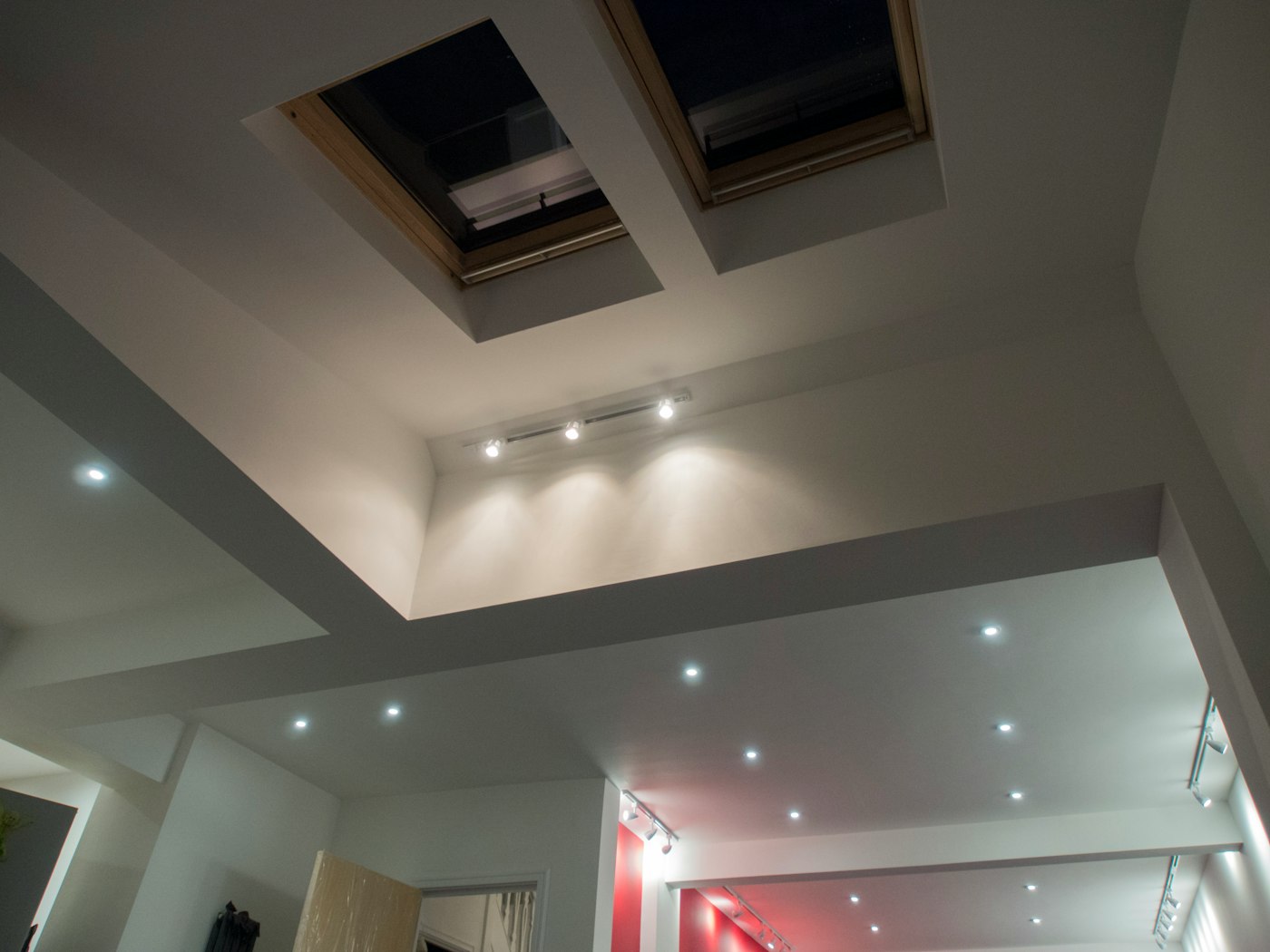
An addition, a wall of new glass or a newly open floor plan can change how much cooling a house needs. Here is how load calculations work and why they belong early in a remodel. Read more

A roof that reflects sunlight and sheds heat quickly can keep the attic and the rooms below cooler. Here is what makes a roof cool, which materials can qualify and where it helps most. Read more

Cellular shades trap air in honeycomb pockets that slow heat moving through a window. Here is how cell size, fabric opacity and mounting choices change how well they work in summer. Read more

Before air conditioning, builders used high ceilings, transoms, porches, shutters and breezeways to beat summer heat. A look at those strategies and how they still help in a remodel. Read more

When one bedroom swelters while the rest of the house is fine, the ductwork is often to blame. How duct design, leaks, return air, balancing dampers and zoning shape room-by-room comfort. Read more

A hot second floor usually has more to do with the attic than the air conditioner. How air leaks, insulation levels and attic heat combine, and which fixes come first. Read more

Closing vents, cranking the thermostat down and buying a bigger air conditioner all sound sensible. Here is why these common cooling beliefs fall short, and what works better. Read more

Sunlight through windows is a major source of summer heat. How window film, exterior solar screens, shades, overhangs and trees compare, and why stopping heat outside works best. Read more
A charging area should be planned around the actual devices and their instructions, with permanent electrical questions handled by the appropriate professional.
A small everyday item can reveal whether a storage plan supports arrival, unpacking and the next trip out.
Keys, access instructions and temporary arrangements should have a clear end-of-stage review rather than remaining an informal loose end.
Designed and Built by Fenway Web.

