
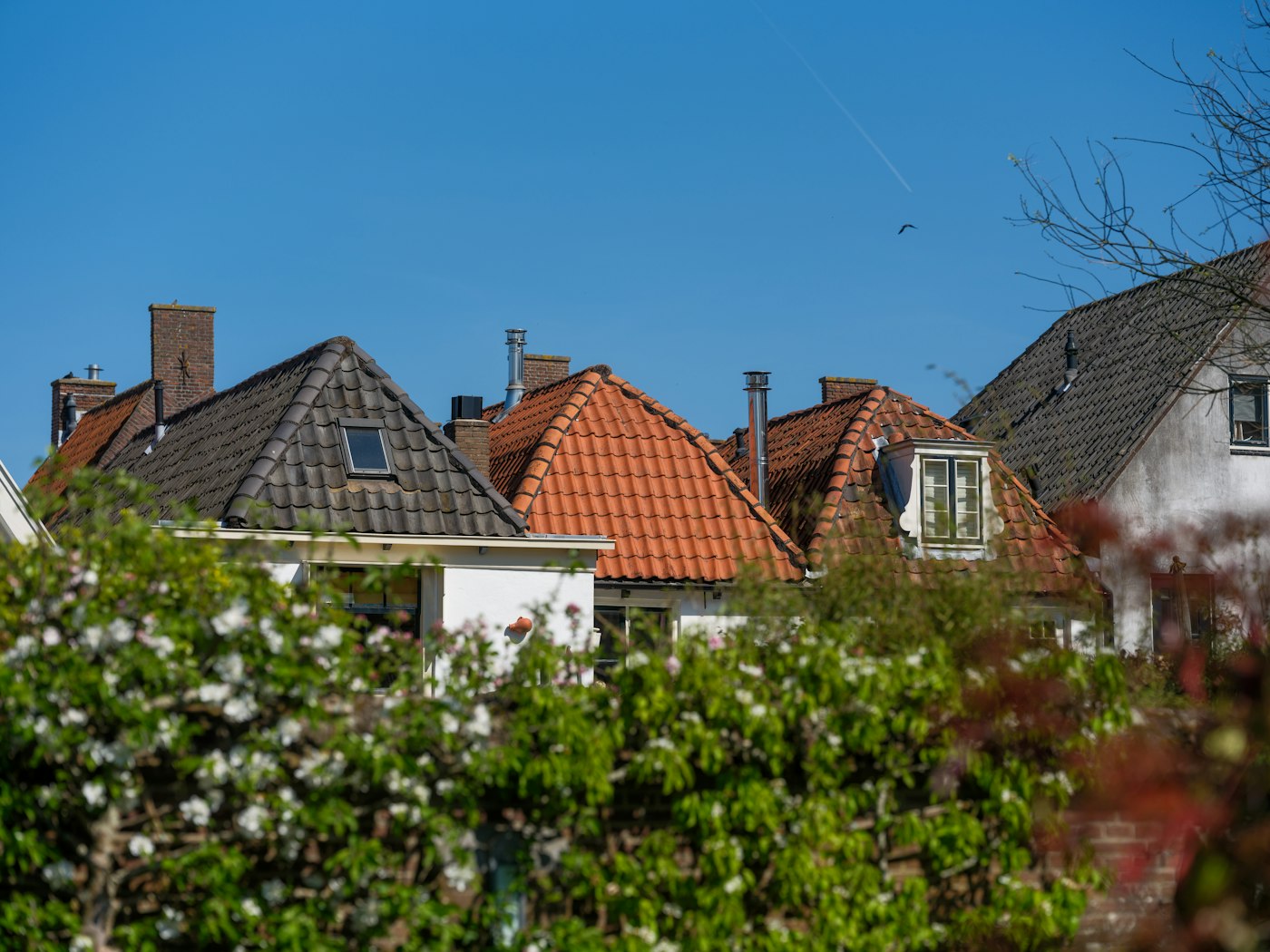
On a sunny July afternoon, a dark roof can become far hotter than the air around it. That heat soaks into the attic, warms any ductwork running through it and radiates down into the rooms below. A cool roof is designed to stay closer to the air temperature by reflecting more sunlight and releasing the heat it absorbs more readily. When a roof is due for replacement, it is worth understanding how these products work and whether one makes sense for your house.
Two Properties That Make a Roof Cool
Roof performance is described with two measurements. Solar reflectance is the share of sunlight a surface reflects instead of absorbing. Thermal emittance describes how readily the surface releases the heat it does absorb. A roof that scores well on both stays cooler in the sun. Some product literature combines the two into a solar reflectance index. Independent ratings, such as those published by the Cool Roof Rating Council, let you compare products on these measures rather than judging by color alone.
Color plays a large part, since white and light colors reflect more sunlight than dark ones. But specially formulated pigments allow some darker-looking products to reflect more of the sun’s invisible infrared energy than conventional materials do, so a cool roof does not have to be bright white.
Cool Options by Roof Type
- Asphalt shingles: some manufacturers make shingles with reflective granules in a range of colors. They are usually less reflective than metal or coatings but better than standard dark shingles.
- Metal roofing: factory-applied reflective paint finishes are widely available, and metal gives up its heat quickly once the sun goes down.
- Tile: clay and concrete tiles in light colors reflect well, and the air space beneath many tile profiles helps slow heat moving into the roof deck.
- Low-slope roofs: white or light single-ply membranes and reflective coatings are common on porches, additions and flat sections.
Where a Cool Roof Helps Most
The benefits are greatest in hot, sunny climates and on homes where the attic holds ductwork or the insulation below the roof is limited. A cool roof reduces the heat that reaches the attic, which eases the load on the air conditioner and can make upstairs rooms more comfortable. In cold climates the picture is more balanced, because a reflective roof also turns away some welcome winter sun, though winter sun is lower and days are shorter. A cool roof works alongside attic insulation, air sealing and ventilation, not in place of them.
Practical Considerations
Reflective surfaces can lose some reflectance over time as dirt and weathering build up, so product ratings often list both initial and aged values. Glare can bother neighbors whose windows overlook a bright, low-slope roof. Homeowners associations and historic districts may limit roof colors, so check before choosing. Some utilities and local programs offer incentives for qualifying roofs, and energy.gov publishes general guidance on cool roofs that is worth reading before a roofing project. A roofing contractor can show you rated products in colors that suit your house.
Is a Cool Roof Right for Your House?
When a roof replacement is on the calendar, we suggest working through a few questions before you choose a product. They help separate the houses where a cool roof makes a real difference from those where the benefit is modest.
- Where is the ductwork? If supply and return ducts run through the attic, a hot roof heats the air inside them before it reaches the rooms. Lowering attic temperatures helps the air conditioner deliver cooler air.
- How much insulation is in the attic? A well-insulated attic floor already slows heat moving into the living space, so the cool roof’s effect on room temperatures is smaller. In a lightly insulated attic, the effect is larger.
- Are upstairs rooms hard to cool? Bedrooms that stay warm long after sunset are a sign that heat from the roof and attic is part of the problem.
- How much of the roof gets direct sun? A roof shaded by mature trees gains less from reflectance than one in full sun all afternoon.
- What colors are allowed? Check neighborhood rules before getting attached to a particular shade.
- Which part of the roof is low slope? Porch roofs and flat sections over additions are often the easiest places to add a highly reflective surface, since they are rarely visible from the street.
Reading a Product Rating
Cool roof ratings can look technical, but they are straightforward once you know what to look for.
- Find the solar reflectance number. It is expressed as a decimal or percentage. Higher means more sunlight bounced away.
- Find the thermal emittance number. Also expressed as a decimal. Higher means the surface sheds absorbed heat more readily.
- Look for initial and aged values. The aged value shows how the product performs after a few years of weathering, which is the more realistic number for a roof you will live with for decades.
- Compare like with like. Compare shingles with shingles and metal with metal. Different roof types have different typical ranges.
Mistakes to Avoid
- Choosing by color alone. Two roofs that look similar can perform differently. The rating, not the swatch, tells you how much sun a product reflects.
- Expecting the roof to replace attic upgrades. If the attic is poorly insulated or has major air leaks into the house, those issues still need attention.
- Ignoring ventilation. A new roof is the best time to make sure intake and exhaust vents are balanced. Ventilation and reflectance work together.
- Coating a roof that is not suited to it. Reflective coatings are made for specific surfaces, usually low-slope roofs. Coating standard asphalt shingles can void warranties and may cause problems, so ask the shingle maker first.
Questions We Hear
Will a light roof look out of place?
Not necessarily. Many cool-rated shingle and metal colors are mid-tones such as grays, tans and soft greens that fit most neighborhoods.
Does a cool roof last as long as a standard one?
Reflectance itself does not shorten the life of a roof. Some studies suggest cooler roof surfaces may experience less heat stress, but lifespan depends mostly on the material, installation and maintenance.
Should I clean a reflective roof?
Dirt reduces reflectance over time. For low-slope membranes and coatings, follow the manufacturer’s cleaning guidance and avoid pressure washing that could damage the surface.


