
Plenty of homes have a room the central system does not reach well, and many older homes have no central air at all. A finished attic, a converted porch, a garage workshop or a single bedroom that bakes every afternoon may need cooling in only one place. Ductless mini-splits are one answer, but not the only one. Window units, through-the-wall air conditioners and portable units each have a place, and understanding the trade-offs helps you choose.
Window Air Conditioners
Window units are the familiar choice: widely available, relatively inexpensive and simple to install in a double-hung window. Current models are generally quieter and more efficient than older ones, and some newer designs straddle the windowsill so the noisy compressor sits outside while the window can partly close. Downsides include blocked light and views, gaps around the unit that need sealing, security concerns in ground-floor windows and the seasonal chore of putting the unit in and taking it out. Casement and sliding windows often need special models or adapters.
Through-the-Wall Units
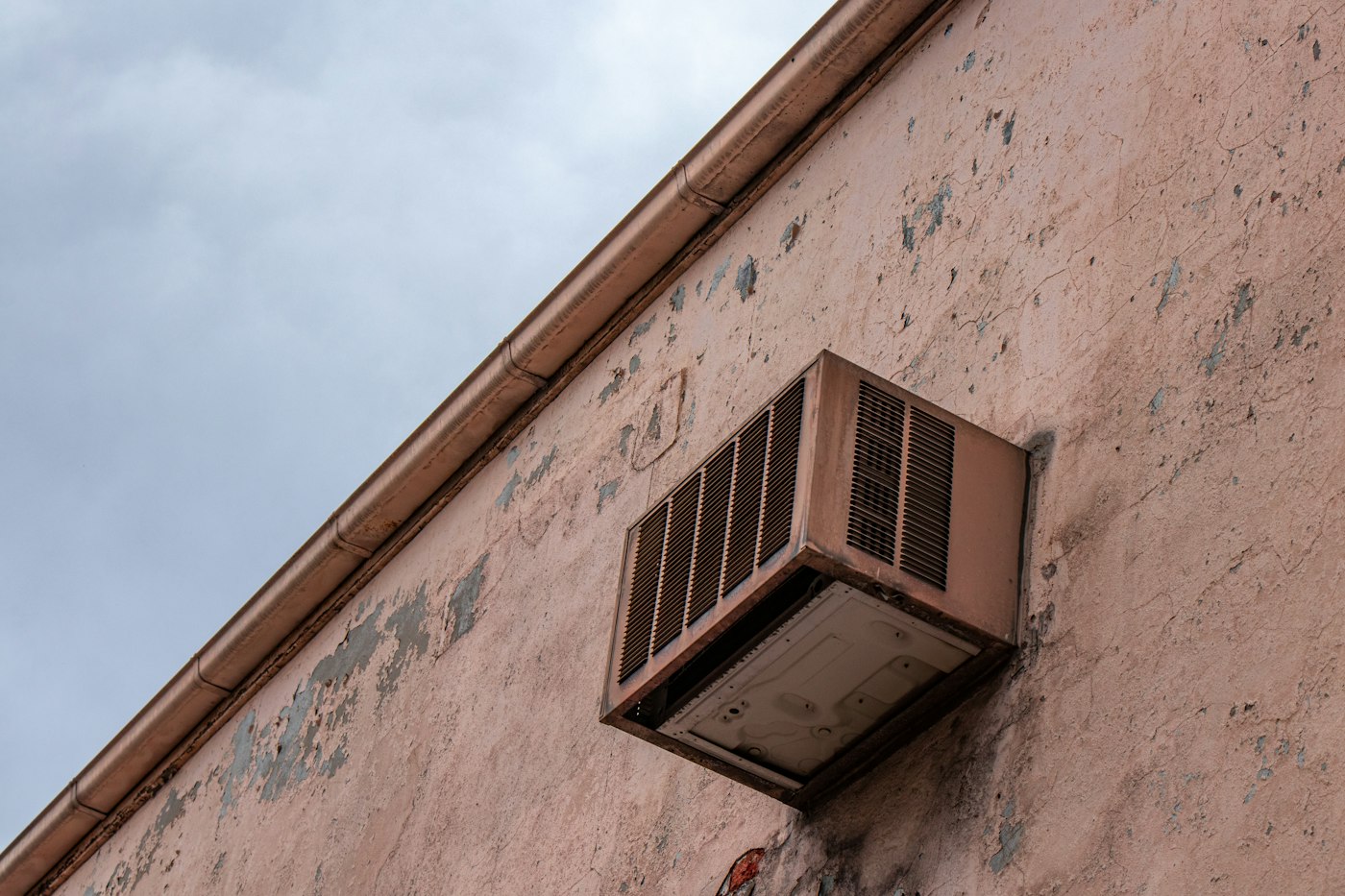
A through-the-wall air conditioner sits in a sleeve built into an exterior wall, which frees the window entirely. Because the sleeve is a permanent opening, the installation is tidier and better sealed than a window unit, and it can stay in place year-round. It is a modest construction project: the wall must be opened, the opening framed and flashed, and a dedicated circuit is often needed. It makes sense for a room you expect to cool every summer for years. Related packaged terminal units, familiar from hotel rooms, can provide both heating and cooling through a wall sleeve.
Portable Air Conditioners
Portable units sit on the floor and vent hot air through a hose to a window kit. They are easy to move and need no permanent installation, which suits rooms with unusual windows and temporary needs. They are generally less efficient than window or wall units of similar capacity, take up floor space and can be noisy. Single-hose models exhaust indoor air outside, which draws warm outdoor air back into the house through gaps; dual-hose models pull outdoor air in to cool their own components and are usually more effective.
Sizing and Electrical Basics
Room air conditioners are rated in British thermal units per hour, a measure of how much heat they can remove. The right size depends on the room’s area, ceiling height, sun exposure, insulation and how many people use it. An oversized unit cools quickly but cycles off before removing much humidity, leaving the room clammy. Larger units may need a dedicated circuit or a higher-voltage outlet, so check the electrical requirements before buying, and never run an air conditioner on a light-duty extension cord.
When Something Else Fits Better
If several rooms need cooling, or the room will be used year-round, a ductless mini-split or an extension of the central system may be the more permanent and efficient answer. Whatever you choose, the cooling load drops when the room is better insulated, its windows are shaded and its air leaks are sealed. An HVAC contractor can help you compare options for your space.
Matching the Unit to the Room
Each kind of room has its own needs. Here is how we think through the options for spaces we see often.
- A bedroom that overheats in the afternoon. Noise matters most. A quiet window unit, especially a design that places the compressor outside, or a through-the-wall unit placed away from the bed are good candidates. Shading the window and adding insulation may reduce the size needed.
- A finished attic or bonus room. These rooms gain heat from the roof and often need more capacity than their floor area suggests. For a room used year-round, a mini-split is often worth comparing.
- A garage workshop. Garages are rarely insulated and have large doors that leak air. A through-the-wall unit sized for the conditions, combined with insulation and weatherstripping, works better than a portable unit fighting an uninsulated space.
- A converted porch or sunroom. Large expanses of glass add heat. Window or wall units can work, but shading the glass and choosing high-performance windows make the biggest difference.
- A rental or temporary situation. A portable or window unit avoids permanent changes and can move with you.
Installing a Window Unit Safely
- Check the window and the outlet. Confirm the window type and opening size, and that the outlet and circuit match the unit’s electrical requirements.
- Use the support hardware. Follow the manufacturer’s instructions for brackets or supports so the unit cannot fall from the window, which is especially important on upper floors.
- Tilt slightly to the outside. Most units are designed to drain condensation outdoors, so a slight outward slope keeps water from running inside. Follow the instructions for the exact angle.
- Seal the gaps. Fill the side panels and seal around the unit with weatherstripping or foam to keep out hot air, rain and insects.
- Secure the window. Use a bracket or lock so the lower sash cannot be raised from outside.
- Clean the filter regularly. A clogged filter reduces cooling and efficiency.
Mistakes to Avoid
- Buying the largest unit on the shelf. Oversizing leaves rooms clammy, as noted above. Size to the room and its conditions.
- Running a portable unit with a long, coiled hose. Extra hose length and bends reduce performance and can trap heat. Keep the hose as short and straight as possible.
- Ignoring condensate. Portable units collect water that must be drained or emptied. Some evaporate most of it, but check how your model handles it.
- Leaving a window unit in all winter with no cover. Cold air leaks around it and through it. Remove it or use an insulated cover rated for the purpose.
- Cutting a wall without a plan. A through-the-wall opening must avoid wiring, plumbing and structural members and be properly flashed to keep water out.
Questions Homeowners Ask
Can a through-the-wall unit go in any wall?
It must be an exterior wall with space for a properly framed opening and no conflicting wiring, pipes or structural members. A contractor can identify the best location.
Are room air conditioners noisy at night?
Some are louder than others. Look for published sound ratings and features such as quiet or sleep modes.
When should I consider a mini-split instead?
When the room is used year-round, needs heat as well as cooling, or when you want quiet operation without blocking a window, a mini-split is worth comparing.


